
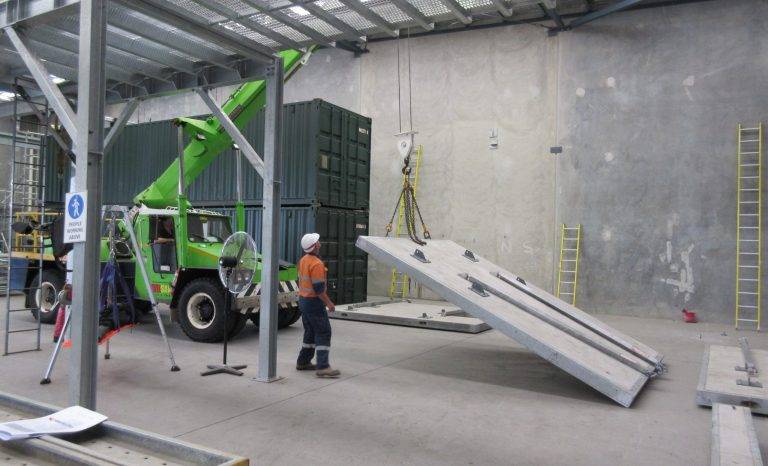
Operating heavy machinery or working at dangerous heights is a daily part of the job for workers in industries like mining and construction. While these tasks are essential, they can cause injury or damage if not done correctly. That's why high-risk work tickets exist – to ensure workers are trained to handle hazardous situations. This guide will explain the types of high-risk work tickets, why they are important, and how to obtain one.
High-risk work refers to tasks that involve significant hazards to health and safety. These jobs are often associated with heavy machinery, high altitudes, or dangerous work environments. Examples of high-risk work include operating cranes, forklifts, and elevated work platforms (EWPs). Due to the risks involved, workers performing these tasks must be properly trained and licensed to ensure they meet regulatory safety standards.
A High-Risk Work Licence (HRWL) is a legal requirement for individuals who wish to operate machinery or perform tasks that involve significant risk. The licence is issued after successfully completing an accredited training course and passing a practical and theoretical assessment. The training ensures that workers understand the risks involved in their tasks and can operate machinery safely and efficiently.
After successfully completing one of our High Risk courses, you can apply for your High Risk Work Licence (HRWL) through WorkSafe QLD. You have 60 days from course completion to submit your application. If you prefer, we can apply for the licence on your behalf for an additional fee of $100.
HRWLs are valid for five years and can be renewed online via the WorkSafe QLD website. If your licence expires, you are no longer recognised as a licensed operator until it is renewed. WorkSafe QLD provides a 12-month grace period for renewal; if this period passes, you will need to re-sit both the written and practical assessments.
For those looking to refresh their skills and stay current with the latest safety and compliance standards, Civil Safety offers a range of high-risk refresher courses.
Legal Obligation: Certain jobs can only be carried out by licenced workers. Performing high-risk work without the proper licence can result in legal consequences.
Workplace Safety: High-risk licences that workers are properly trained to handle dangerous equipment, reducing accidents and injuries.
Career Opportunities: Having relevant high-risk work licences can increase your job prospects, provide more opportunities, and boost your earning potential.
Now that you understand the importance of high-risk licences, let's take a look at some of the most common types you may need in the mining and construction industries.
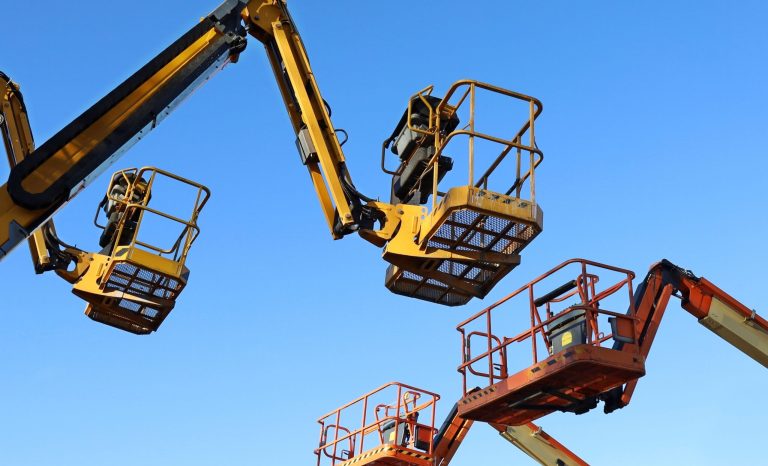
An Elevated Work Platform (EWP) licence is required for workers who operate machinery used to lift people to heights, such as cherry pickers, scissor lifts, and boom lifts. This is essential for tasks like working on high-rise buildings, maintenance, and other tasks where workers are required to operate at dangerous heights.
A forklift licence is essential for workers who operate forklifts in warehouses, construction sites, and mining operations. Forklifts are used for moving heavy materials and equipment, and operating them requires a high level of skill to avoid accidents or damage to equipment.
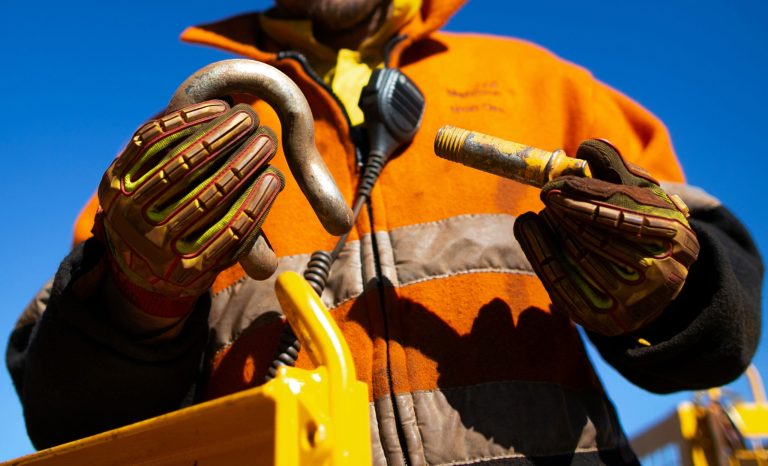
A dogging licence is required for workers who direct cranes, hoists, or other lifting equipment. Dogmen are responsible for ensuring that loads are properly secured, safe and directed to the correct location. This job is crucial in preventing accidents during lifting operations.
Rigging involves setting up and securing equipment to lift or move heavy loads. Workers in this role must know how to set up equipment correctly to avoid accidents. A rigging licence is necessary to prove competency in these tasks and to meet safety standards on site.
A crane licence is required for workers operating slewing, non-slewing, mobile, and vehicle-loading cranes. Cranes are often used to lift extremely heavy loads at significant heights, which can be hazardous if not handled by qualified professionals. The training for crane licences covers the safe operation of the machinery and understanding of weight limits, load distribution and more.
Scaffolding licences are necessary for workers who build and dismantle scaffolding on construction sites. Scaffolds are used to support workers and materials during construction or repair work at heights. Without proper training, scaffolding can pose a serious risk, which is why a scaffolding ticket is required to ensure that the structure is safe and secure.
High-Risk Work Licences are a critical component of a safe and compliant workforce. It is not only a legal requirement but also a commitment to the safety of both workers and those around them. If you're ready to take the next step in your career and ensure you meet all safety requirements, consider enrolling in our high-risk courses.
About Civil Safety
Civil Safety is a leading Registered Training Organisation (RTO 32381) for the mining, civil and construction industries, with operations across Queensland and Western Australia.
We provide safety and operational training to thousands of people every year from a diverse range of backgrounds. Our highly experienced trainers bring real-world experience to the classroom – ensuring our students graduate ready for work with the skills, confidence and qualifications required for safe and compliant operation in dangerous environments.
With a vast range of courses, plus a variety of learning methods including face-to-face, blended and online – we can help you gain the skills you need to enter a new industry or upskill in your current career.
Find out more information on the range of mining courses we offer, or give us a call on 1300 CIVIL S.