
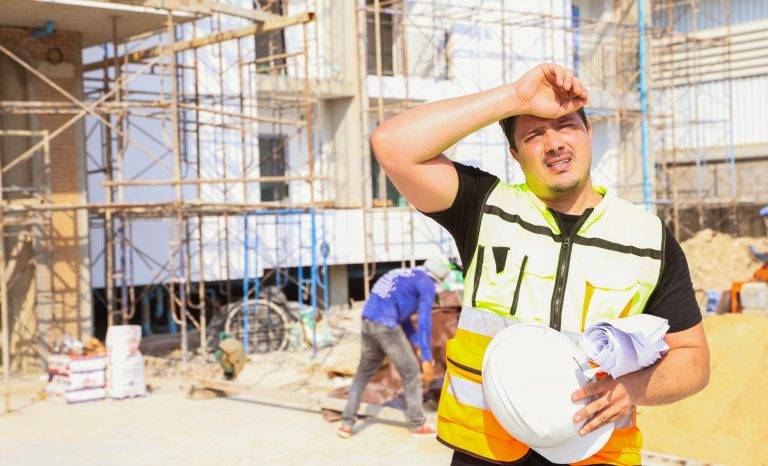
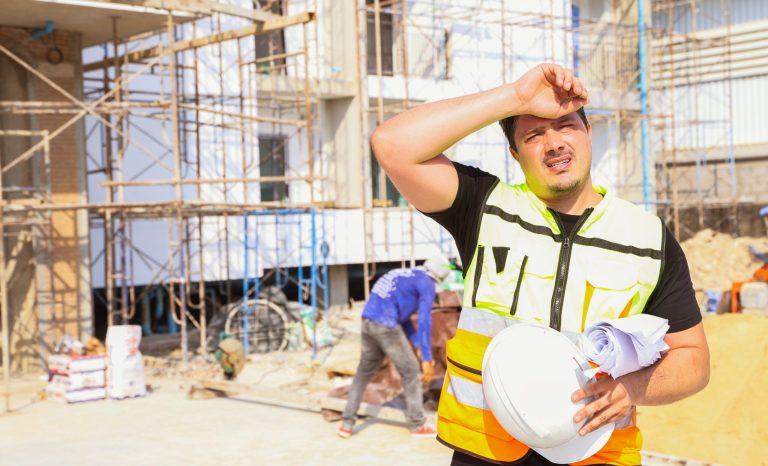
As we head into another Australian summer and the hot weather kicks in, workers need to be ready for the heatwaves that stretch from spring through summer. While the sun may be good for a holiday, it can be a serious risk on the job. Heat stress can hit hard in physically demanding roles, and if workers aren’t prepared, the consequences can be dangerous, even deadly.
Heat stress happens when your body gets too hot and can’t cool itself down fast enough. This can lead to serious health problems like heat exhaustion or even heat stroke. The risks are higher for workers in physically demanding jobs, especially when wearing heavy PPE or working outdoors in direct sunlight.
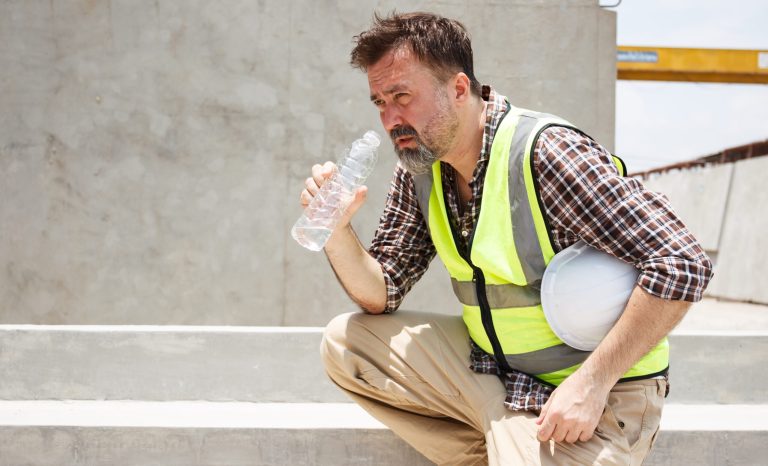
Several factors increase the risk of heat stress on the job:
Physically demanding tasks
PPE that traps heat, such as full-body suits or helmets
Outdoor work in direct sunlight (common for mining and construction jobs)
Radiant heat from hot surfaces like metal roofs or machinery
High humidity, which makes sweating less effective
Lack of hydration or poor training on heat stress prevention
Inadequate acclimatisation (especially for workers new to heat)
Heat stress can show up in many ways, from mild to severe. Early signs include:
Heat rash
Heat cramps
Disorientation or dizziness
Fainting
Heat exhaustion (extreme fatigue, nausea)
Heat stroke (a life-threatening condition)
It’s crucial to spot the signs early and act fast to prevent things from getting worse. The longer a worker is exposed to the heat without cooling down, the higher the risk of serious illness. That’s why training, hydration, and regular breaks are essential.
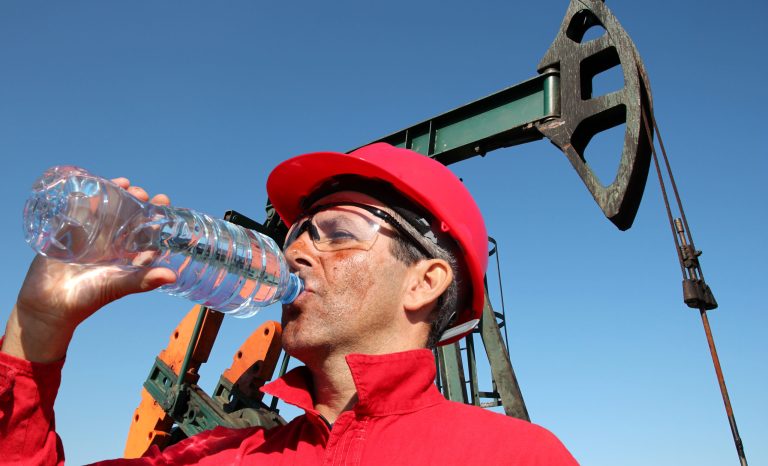
Employers play a key role in protecting their crew from the heat. Here’s what needs to be done to keep everyone safe:
Identify heat risks: Understand where the heat hazards are on the job. This could include working in the sub, near hot surfaces, or in areas with high humidity.
Assess the risks: Know which workers and tasks are most vulnerable to heat stress and prioritise them.
Implement controls: Introduce practical solutions to keep workers cool. This might include more shade, water stations, frequent breaks and rotating tasks to avoid long exposure to the heat.
Training and communication: Make sure workers understand the risks of heat stress, how to spot symptoms, and what to do if they feel unwell.
Monitor conditions: Keep an eye on weather forecasts and adjust shifts if the temperature rises too much. Check in with workers throughout the day and make sure you're staying hydrated and managing the heat.
As an employer or supervisor, you can’t control the weather, but you can control how prepared your workers are. Make sure they have the training, equipment and breaks they need to stay safe in the heat. Taking the right steps now, can keep your team performing at their best throughout the hot months ahead.
At Civil Safety, we offer comprehensive Health and Safety courses. Equip yourself and your team with the knowledge and skills necessary to foster a safer, healthier work environment.
About Civil Safety
Civil Safety is a leading Registered Training Organisation (RTO 32381) for the mining, civil and construction industries, with operations across Queensland and Western Australia.
We provide safety and operational training to thousands of people every year from a diverse range of backgrounds. Our highly experienced trainers bring real-world experience to the classroom – ensuring our students graduate ready for work with the skills, confidence and qualifications required for safe and compliant operation in dangerous environments.
With a vast range of courses, plus a variety of learning methods including face-to-face, blended and online – we can help you gain the skills you need to enter a new industry or upskill in your current career.
Find out more information on the range of health and safety courses we offer, or give us a call on 1300 CIVIL S.