
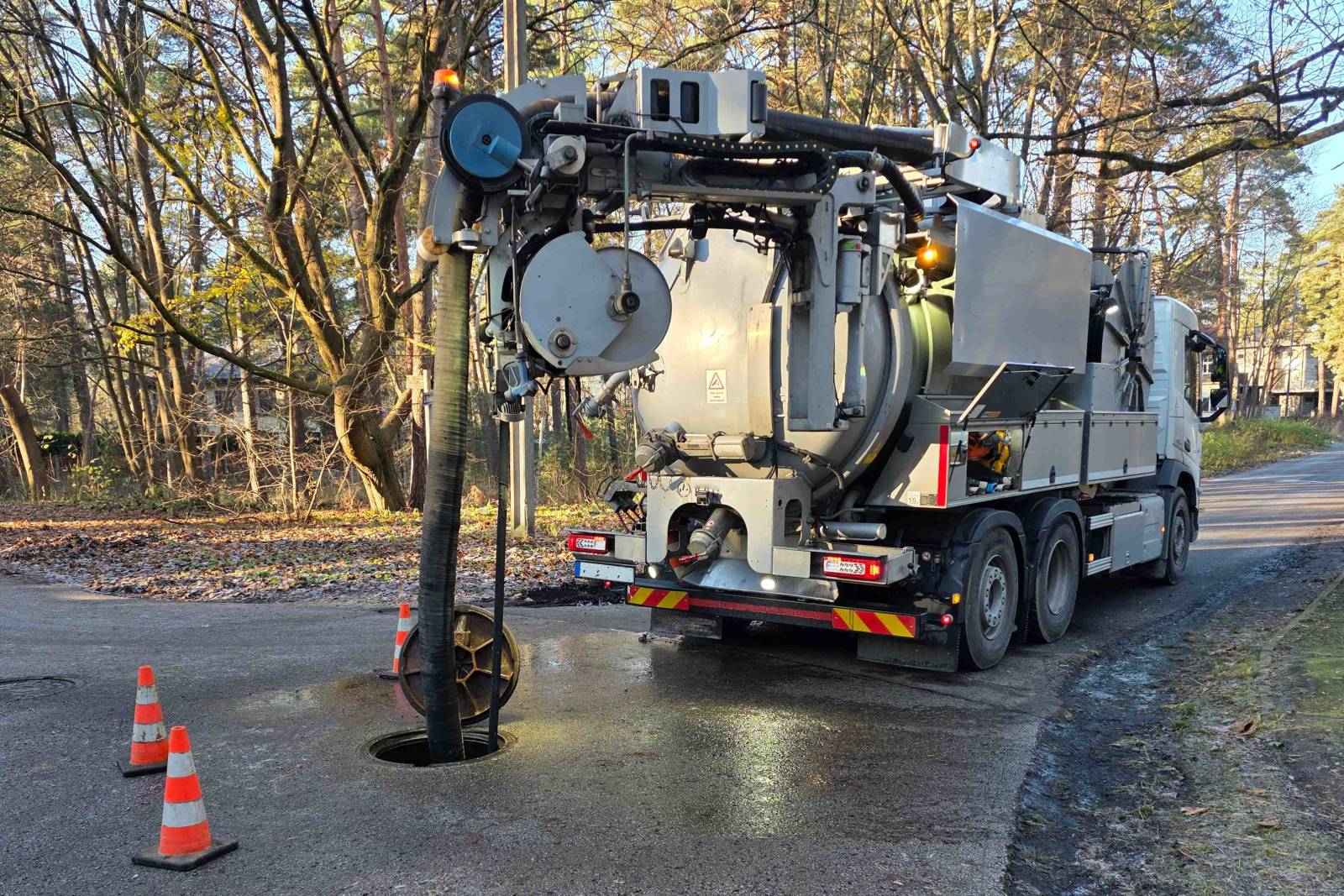
Conduct Vacuum Excavations
Industry-Standard Vacuum Excavation Skills
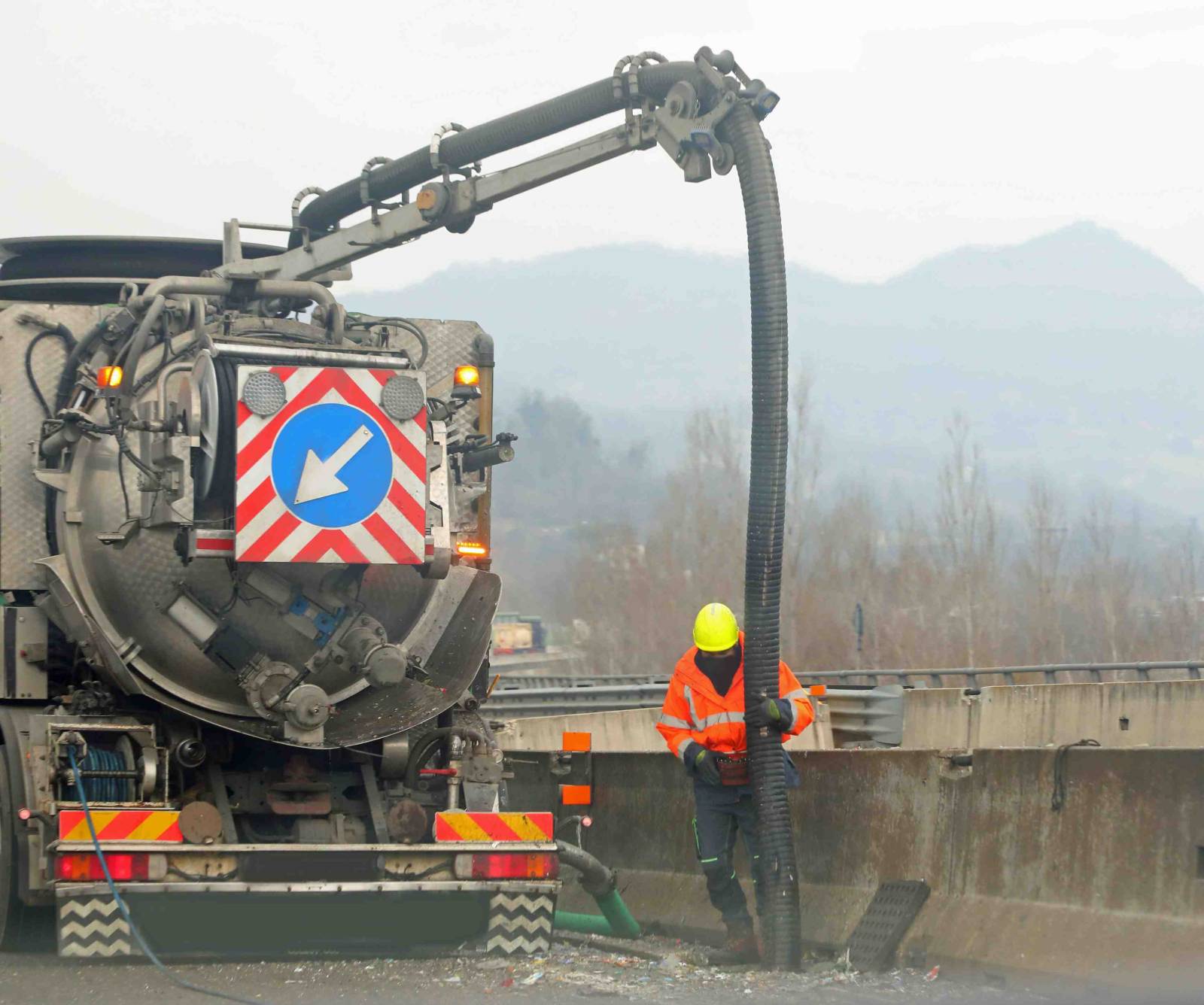
The Conduct Vacuum Excavations (RIICCM303) course provides you with the practical skills and knowledge required to carry out non-destructive excavation using vacuum systems safely. Widely used across civil construction, utilities, and infrastructure projects, vacuum excavation is essential for exposing underground services without causing damage.
This course focuses on best-practice techniques for locating and uncovering buried assets, operating vacuum excavation equipment, and maintaining strict safety and compliance standards on-site. Participants will gain hands-on experience and a clear understanding of risk management, ensuring work is performed efficiently while protecting critical infrastructure and personnel.
You'll complete the following unit of competency:
RIICCM303 - Conduct Vacuum Excavations
Course Delivery
Step 1 - Complete online theory module (within 30 days)
Step 2 - Book in and attend 1-day practical training
Nationally Recognised

Locations
Multiple training centres across Queensland and Western Australia, or we can come to your location.
Course Fee
Fees vary depending on location (see table below)
Afterpay available

Course Delivery
Step 1 - Complete online theory module (within 30 days)
Step 2 - Book in and attend 1-day practical training
Nationally Recognised
Locations
Multiple training centres across Queensland and Western Australia, or we can come to your location.
Course Fee
Fees vary depending on location (see table below)
Afterpay available
Conduct Vacuum Excavations (RIICCM303) - Course Information
The Conduct Vacuum Excavations (RIICCM303) course gives you the practical knowledge and skills to safely carry out non-destructive excavation using vacuum systems across civil construction and utility environments.
You’ll learn about:
Legislation & Compliance: Understand WHS requirements, workplace procedures, and documentation to ensure all vacuum excavation activities meet compliance standards.
Hazard Identification & Risk Control: Identify underground services, environmental factors, and site hazards, and implement appropriate control measures and exclusion zones.
Equipment Selection & Setup: Select, inspect, and prepare vacuum excavation equipment, tools, and PPE for safe and efficient operation.
Pre-Operational Checks & Site Preparation: Confirm job scope, obtain permits, establish work areas, and complete pre-start checks including safety systems and communication processes.
Vacuum Excavation Techniques: Operate vacuum excavation systems (air and hydro) to safely expose underground assets while minimising damage and risk.
Monitoring & Problem Solving: Monitor ground conditions, equipment performance, and hazards during excavation, and respond to faults or changing site conditions.
Environmental & Waste Management: Manage spoil, disposal, and recycling processes in line with environmental and workplace requirements.
Shutdown & Post-Operational Procedures: Safely shut down equipment, clean and maintain machinery, and prepare vehicles for transport or continued use.
Communication & Reporting: Follow workplace communication systems, complete documentation, and report hazards, incidents, and job outcomes accurately.
By the end of the course, you’ll be confident in preparing, setting up, and conducting vacuum excavations safely, exposing underground services without damage, and meeting industry compliance and safety requirements on-site.
Course Delivery and Assessment
In order to provide you with the best learning outcomes possible, this course is delivered via a mix of online learning and face-to-face training. You will be assigned an experienced Trainer Assessor for support throughout your course.
Step 1 - Complete online theory (within 30 days)
The online modules are self-paced and include assessments (quizzes, written tasks, or short exercises) to ensure understanding.
Step 2 - Attend 1 day face-to-face training (appx 4-6 hours)
Your trainer will give you practical tasks to complete based on the information you’ve learned in your online theory module.
You will need to pass both steps in order to successfully complete the course.
Who Should Complete This Course?
This course is ideal for people working in the following industries:
Construction and trades workers - Anyone involved in excavation work where underground services must be safely exposed without damage.
Civil construction staff - Workers undertaking trenching, potholing, or service location as part of infrastructure and road projects.
Utility and infrastructure workers - Personnel working around gas, water, electrical, and communications assets requiring non-destructive digging methods.
Vacuum truck operators - Individuals responsible for operating vacuum excavation units in civil, mining, or utility environments.
Mining and resources personnel - Workers conducting safe excavation around buried services or sensitive infrastructure on mine sites.
Local government and council staff - Employees performing maintenance, repairs, and service investigations in public areas.
Plumbing and drainage workers - Tradespeople exposing underground pipes and systems for installation, maintenance, or repair.
Telecommunications technicians - Workers locating and accessing underground communication lines safely.
Course Outcome
Upon successful completion of this refresher course, you will be awarded a nationally recognised Statement of Attainment for:
RIICCM303 - Conduct Vacuum Excavations
This certification is nationally recognised under the Australian Qualifications Framework (AQF) and can support applications for higher roles in safety and compliance.
Career Pathways
Completing the Conduct Vacuum Excavations course prepares you for a variety of roles across multiple industries such as:
Construction: Vacuum excavation operators, civil construction workers, site supervisors, and labourers involved in service location and non-destructive digging.
Resources: Mining operators, vacuum truck operators, drilling and exploration crews, and contractors working around underground infrastructure.
Infrastructure: Utilities technicians, service locators, roadworks crews, and workers in water, gas, electrical, and communications industries.
Maintenance: Asset maintenance crews, council workers, service technicians, and personnel conducting repairs on underground networks.
Specialised Roles: Non-destructive digging (NDD) specialists, vacuum excavation operators, safety officers, and underground asset inspection personnel.
Entry Requirements
There are no formal entry requirements; however, students will need:
To be at least 16 years of age
Basic computer skills and internet access (for enrolment and communication)
Sufficient language, literacy, and numeracy (LLN) skills to complete assessments
A valid Unique Student Identifier (USI) - mandatory for all nationally recognised training. If you don’t have one, you can apply at usi.gov.au or we can assist.
Support When You Need It
Throughout the duration of your course, you can access experienced industry professionals and support staff to guide you through the program. Our trainers are dedicated to helping you succeed and will be available to answer your questions and provide feedback on your progress. They will provide you with the guidance and support you need to fully understand the course material, as well as offer suggestions for further learning opportunities.
“Really practical course with plenty of hands-on time on the vacuum unit. The trainer broke down the process of locating and exposing services in a way that actually makes sense on-site. I walked away a lot more confident working around live utilities and understanding the risks.”
No classes are currently scheduled, but we may still be able to help.
If you would like to complete this course, you still have options:
-
Request group training (minimum 8 participants) at your site or one of our training facilities
-
Enquire about alternative nearby locations or upcoming dates
-
Join a waitlist for future public courses
Course FAQs
Fees vary depending on location - you can view specific location fees in the table above.
Unfortunately, there is no funding available for this course. Please visit our funding page to explore our range of funding options and eligible courses by state.
You’ll need to complete the online theory module first within 30 days of enrolling, followed by 1 day of face-to-face training.
There are no formal entry requirements; however, students will need:
To be at least 16 years of age
Basic computer skills and internet access (for enrolment and communication)
Sufficient language, literacy, and numeracy (LLN) skills to complete assessments
A valid Unique Student Identifier (USI) - mandatory for all nationally recognised training. If you don’t have one, you can apply at usi.gov.au or we can assist.
Your Statement of Attainment is typically issued within 3-5 business days after you successfully complete all assessments and all required enrolment, USI and payment requirements are satisfied.
Our friendly support team is here to help. Contact us for course advice, enrolment support, or guidance during your training.
1300 248 457 or email info@civilsafety.edu.au
Related Courses



Have Questions?
Our friendly support team is here to help. Whether you need course advice, enrolment support, or guidance during your training, we’re only a call or message away.

Speak with Our Team
Call us now and we'll connect you with the right training specialist for your needs.
Call 1300 248 457
Send Us an Enquiry
Fill out a quick form and we'll get back to you with the information you need.