
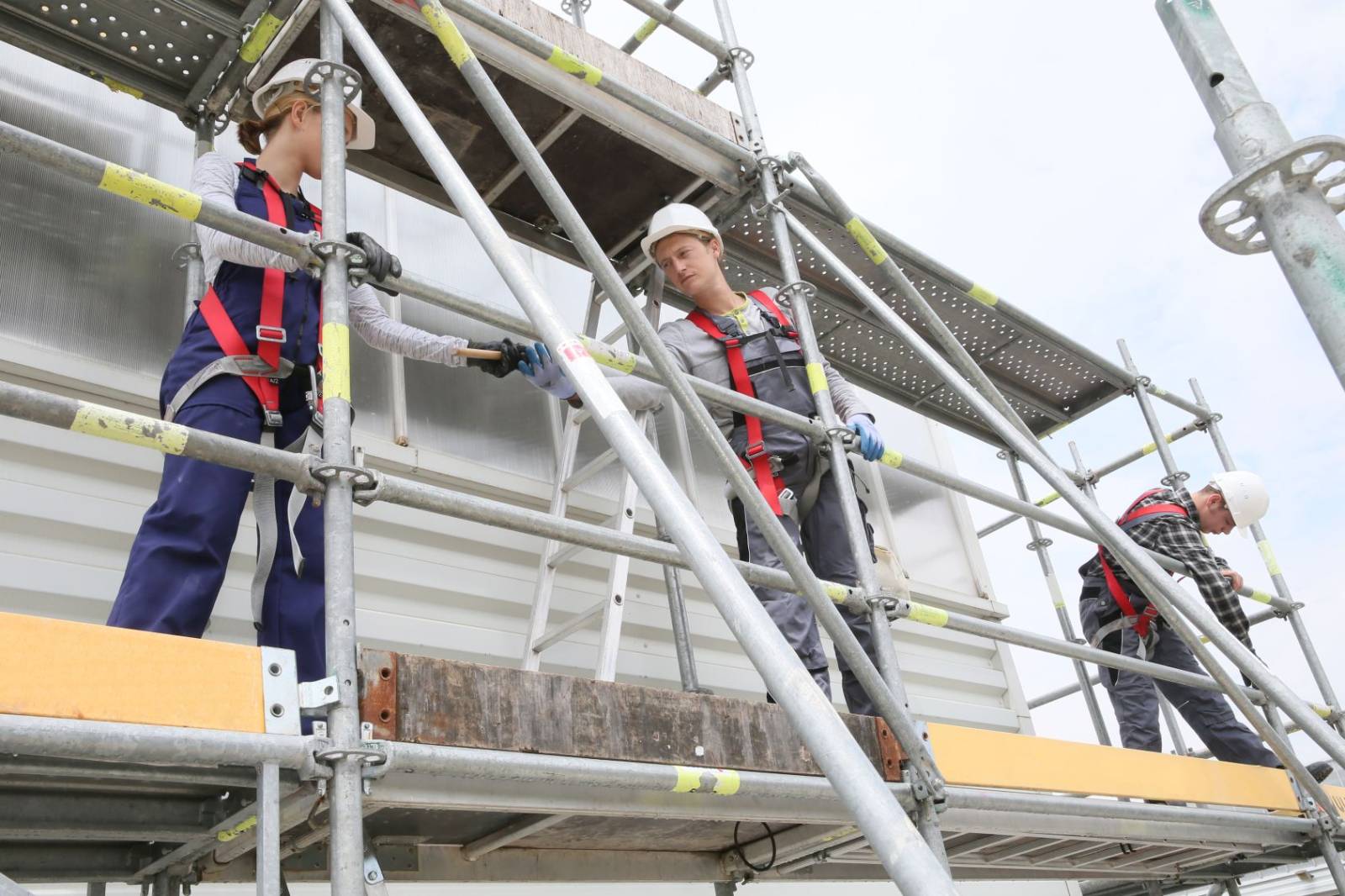
A Working at Heights ticket is one of the most widely required safety qualifications across Australian job sites and job ads. From construction and mining through to telecommunications, renewables, and industrial maintenance, it’s often a mandatory requirement just to gain site access. For many employers, it’s a non-negotiable credential, making it an essential qualification for anyone looking to break into or progress within these industries.
The good news is that you can become certified in just one day. In this guide, we’ll explore 15 roles where a Working at Heights ticket is commonly required, what those roles typically pay, and the additional skills or tickets you may need to secure them.
What is a Working at Heights ticket?
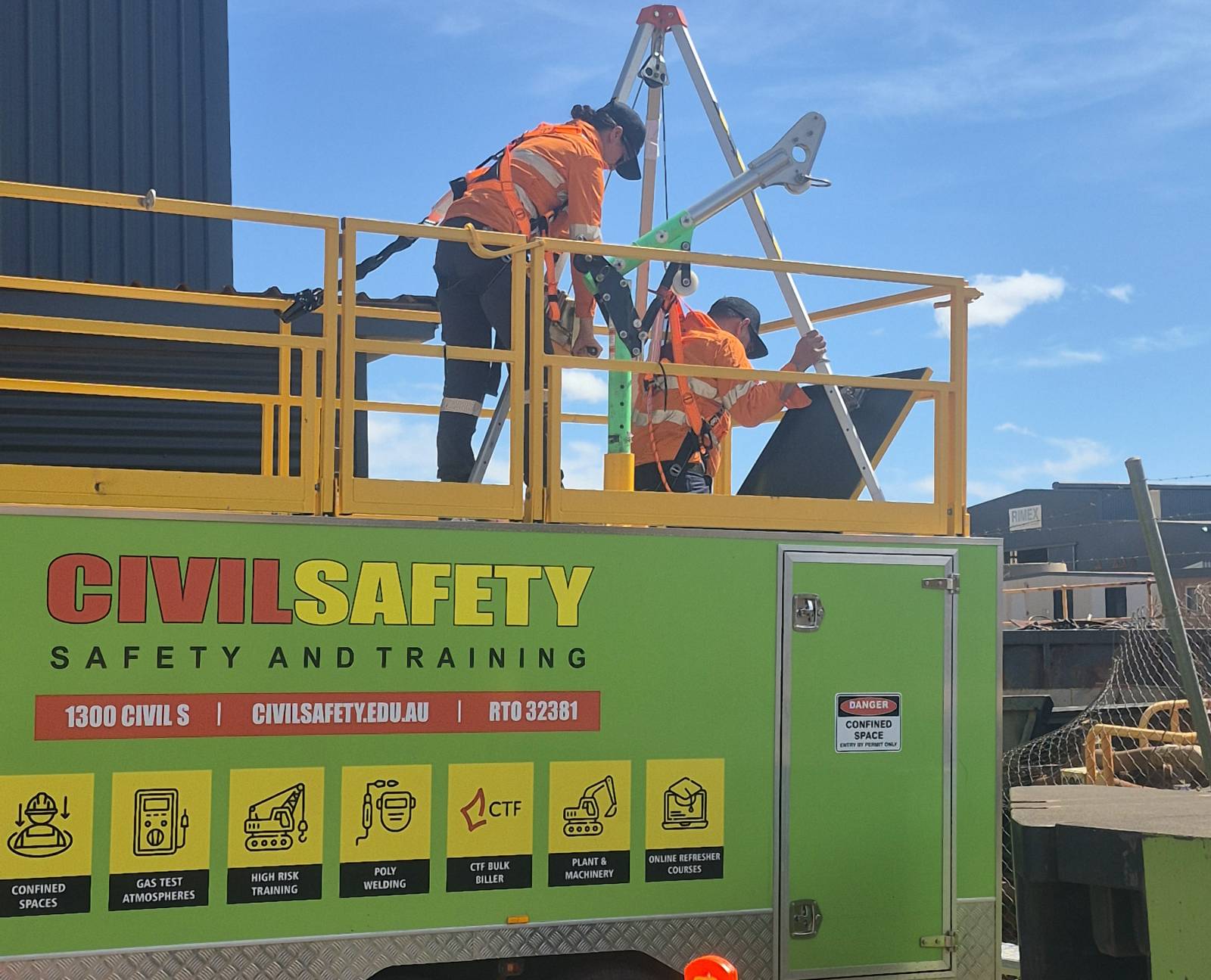
A working at heights ticket is the informal name for a Statement of Attainment in RIIWHS204E Work Safely at Heights. While it isn’t a high-risk work licence, it is widely recognised as a mandatory requirement on most Australian worksites before you’re allowed to operate in or around areas where fall hazards exist.
The course provides practical, hands-on training in how to:
Identify fall risks
Select and inspect the right fall prevention equipment
Fit and use a harness correctly
Set up and check anchor points, and;
Respond to an emergency while someone is suspended
The training is typically completed in a single day.
Across construction, mining, and industrial environments, working at heights is a routine part of the job. Completing this course before applying for site-based roles can significantly improve your employability and help you stand out from other candidates.
Who should get a Working at Heights ticket?
A Working at Heights ticket is suitable for a wide range of roles and industries::
Entry-level job seekers breaking into construction/mining
Workers wanting to upskill or move into higher-paying roles
FIFO candidates needing site compliance tickets
Apprentices and labourers looking to meet site requirements faster
15 jobs you can get with a working at heights ticket
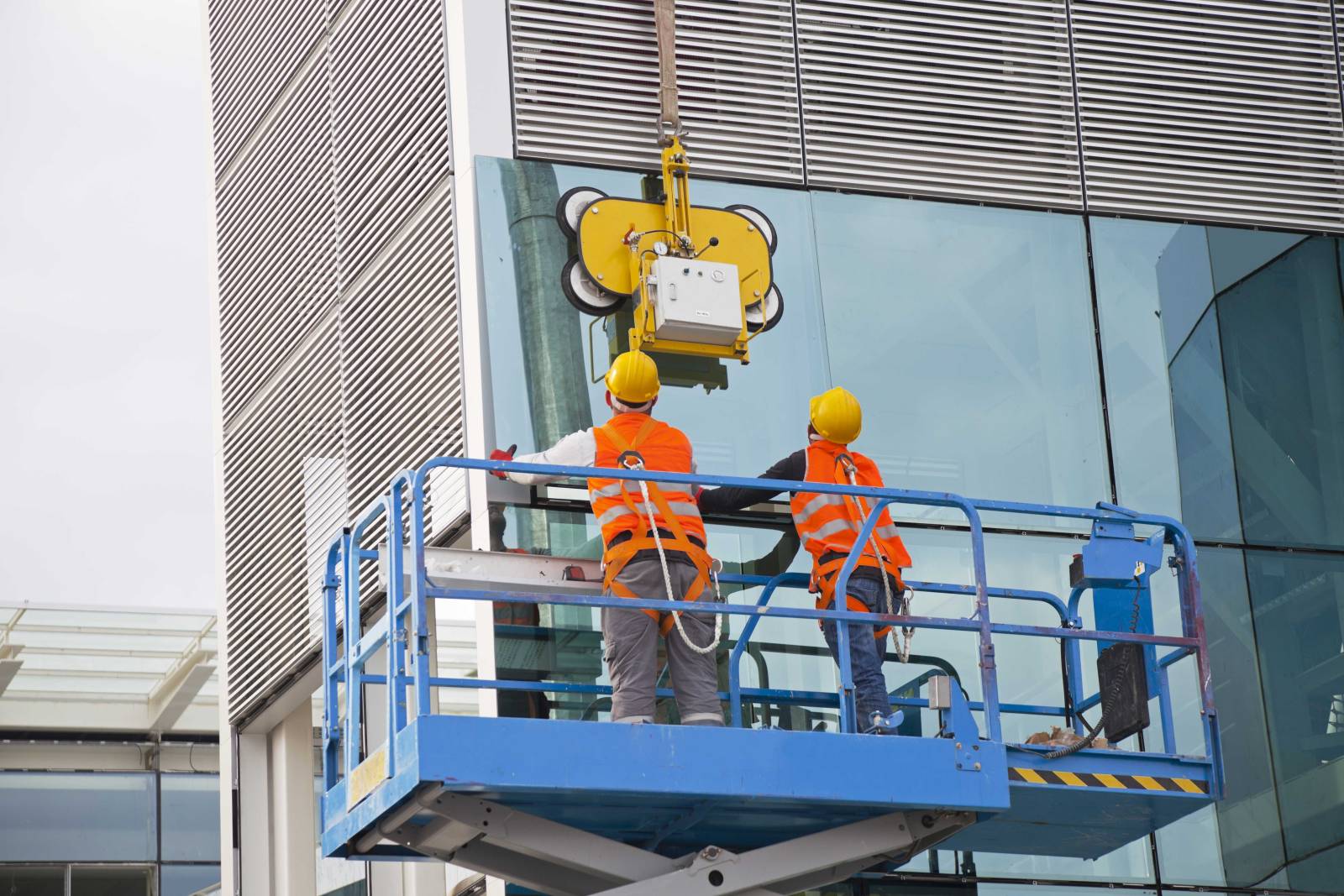
A working at heights ticket alone won’t get you hired, but it’s on the requirements list for more roles than almost any other safety qualification in Australia. Here are 15 jobs where it’s either mandatory or strongly preferred:
Role | What the work involves | Additional tickets commonly required | Salary |
Construction labourer | General site work including maintenance, drainage and supporting other crews | ||
Roofing installer | Installing and repairing roof systems on residential and commercial buildings | ||
Solar panel installer | Mounting and connecting solar panel systems on rooftops and commercial structures | White card, electrical safety awareness | |
Scaffolder | Erecting and dismantling scaffolding systems on construction and industrial sites | ||
Rigger | Safely moving heavy loads using cranes and rigging equipment on construction and mine sites | Dogging licence (CPCCLDG3001), basic rigging licence (CPCCLRG3001) | |
Dogger | Slinging loads and directing crane operators during lifts on construction and mine sites | ||
Telecommunications technician | Installing and maintaining mobile towers and communication infrastructure | ||
Wind turbine technician | Maintaining wind turbine systems, including climbing and working inside tower structures | ||
Mine site labourer | General site work on surface mine sites in QLD and WA | Standard 11 (QLD) or white card (WA), first aid | |
Shutdown maintenance worker | Maintaining and repairing industrial plant and equipment during scheduled shutdowns | Confined Spaces (RIIWHS202E), Gas Test Atmospheres (MSMWHS217) | |
Industrial painter and blaster | Surface preparation and painting of structures, vessels, and industrial equipment | ||
EWP operator | Operating elevated work platforms to access structures and carry out work at height | ||
Confined space standby worker | Monitoring confined space entry points and managing emergency response procedures | Confined Spaces (RIIWHS202E), Gas Test Atmospheres (MSMWHS217) | |
Steel erector | Assembling and connecting structural steel on construction and infrastructure projects | ||
Maintenance technician | Maintaining equipment, structures, and infrastructure on construction and industrial sites |
Industries that hire working at heights workers
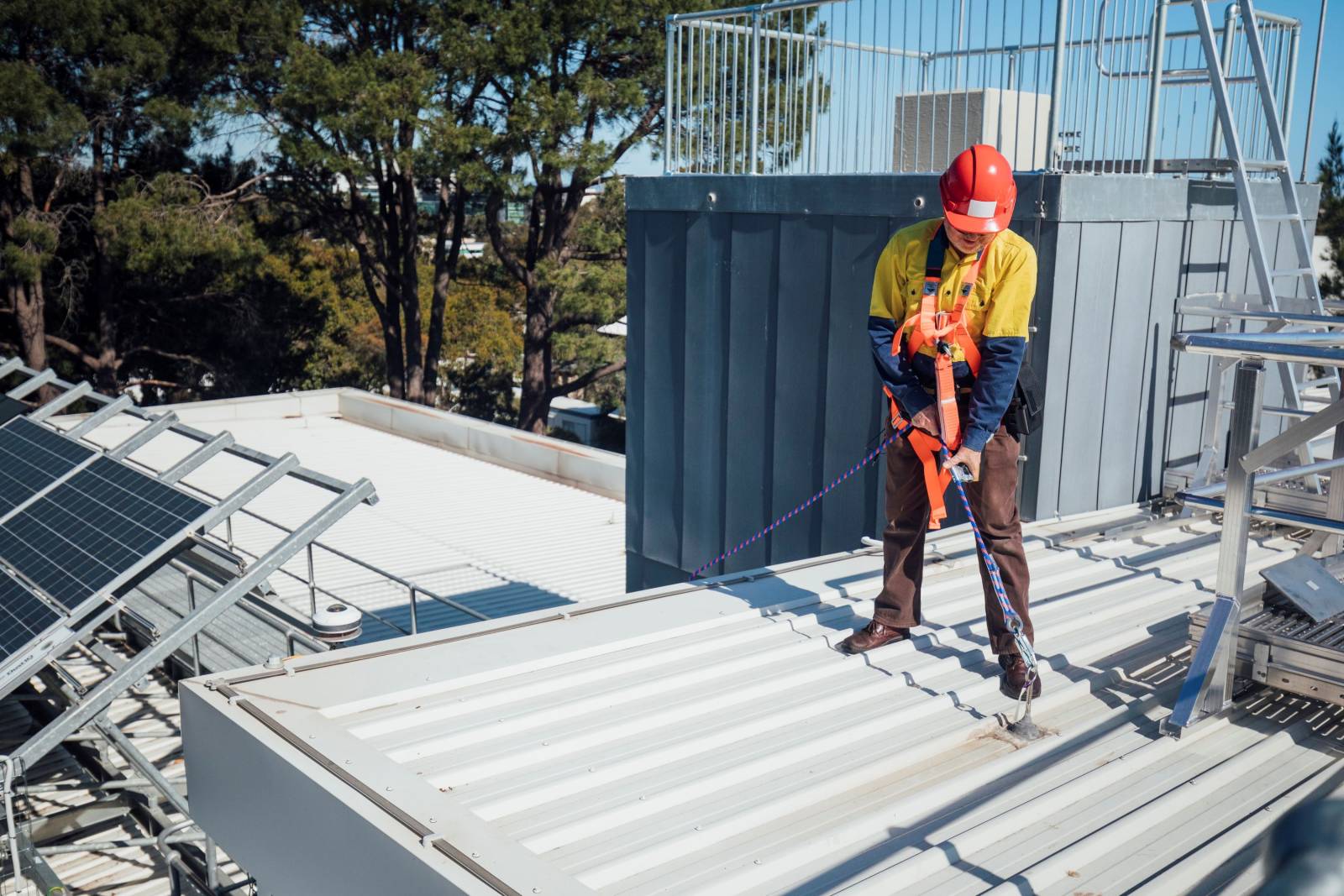
A working at heights ticket is required for jobs in more industries than just construction. Here’s where employers require it most consistently:
Construction and civil works: Fall hazards exist on almost every construction site in Australia, not just in the most complex ones.
Mining and resources: Surface mine sites and processing facilities in QLD and WA usually require working at heights. You’ll also need to get a white card or Standard 11 for general site access.
Shutdown and industrial maintenance: Maintenance contractors working on plant shutdowns need it as a baseline ticket along with confined spaces and gas test qualifications.
Renewable energy: Solar and wind installations keep workers at heights for hours at a time, and Australia’s renewable energy pipeline is growing fast.
Telecommunications: Tower climbers and antenna technicians need it before they can access any elevated structure on the job.
How to get your working at heights certificate
Getting a working at heights ticket only takes one day when you follow these steps:
Enrol in a working at heights course: Book the Work Safely at Heights (RIIWHS204E) course at a Civil Safety (RTO 32381) training centre in Queensland or Western Australia. It’s one of the most accessible safety courses available, with no formal prerequisites required.
Complete the practical training: You’ll learn to identify fall risk, fit and inspect a harness correctly, set up anchor points, and respond to an emergency when someone is suspended at height. Everything is hands-on and assessed on the day.
Receive your Statement of Attainment: You walk out the same day with a nationally recognised work safely at heights certificate and you’re cleared to work on sites that require the ticket.
Your working at heights ticket doesn’t have a formal expiry date, but most employers and site operators require you to refresh every two years to demonstrate current competency. This is the standard recommended by the Working at Heights Association of Australia and is a condition of site access on most major construction and mining operations.
If your working at heights certificate has lapsed, we offer both an online refresher and a face-to-face refresher to get you back up to date without repeating the full course. Both options are available across our Queensland and Western Australia training centres.
Get more from your ticket with a bundle
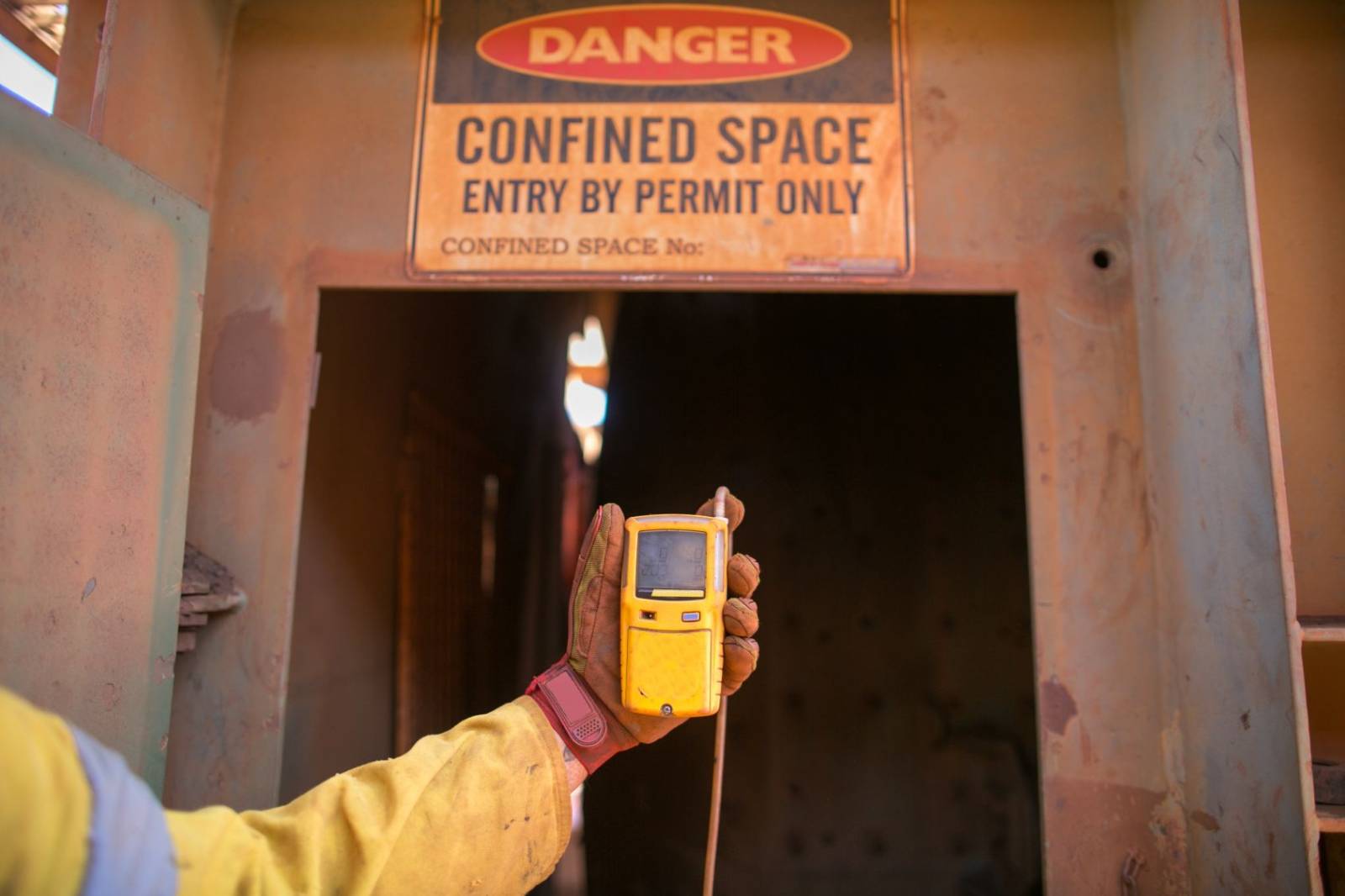
Many of the roles in the table above list confined spaces and gas test atmospheres as additional tickets. Getting them together with your working at heights ticket is cheaper and faster than booking each course separately. We offer two bundles worth considering:
2 Course Bundle (Confined Spaces and Working at Heights): Suits construction and civil workers who regularly work around fall hazards and enclosed areas.
3 Course Bundle (Confined Spaces, Gas Test Atmospheres, and Working at Heights): This is the standard combination for mining, shutdown, and FIFO workers where all three are expected before granting site access.
Get your Work Safely at Heights ticket with Civil Safety
We run the Work Safely at Heights (RIIWHS204E) course across our Queensland and Western Australia training centres, with flexible scheduling including evenings and weekends. Contact us today to book your course.