
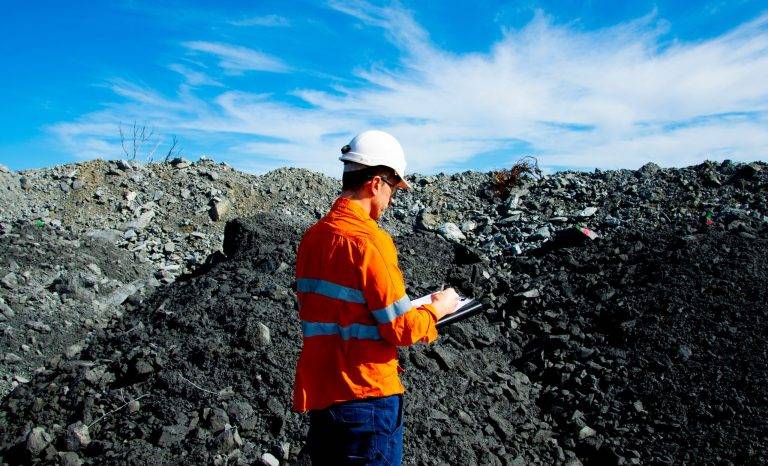
Are you looking for a career change, as well as a change of scenery? Then a FIFO job in the mining or construction industry, swapping the bustling city for the rugged landscapes of the mining sites of rural Australia may be the career for you. Here we'll be answering the top five questions about FIFO work, shedding light on its perks, challenges, and what the average income is. If you're considering a career as a FIFO worker this one's for you
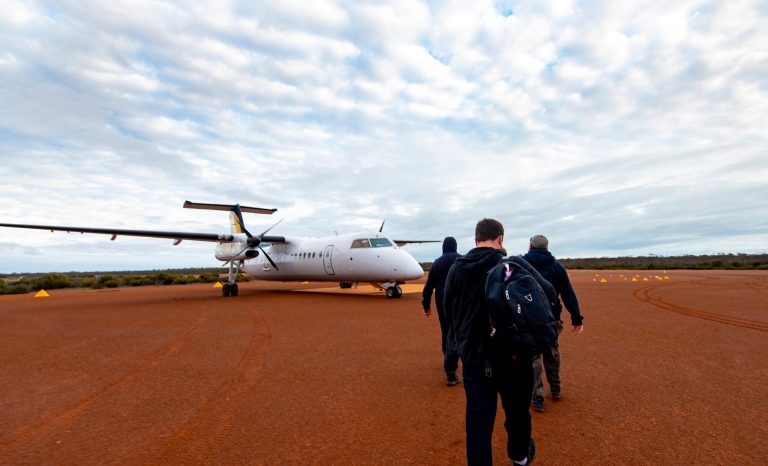
FIFO (Fly In, Fly Out)
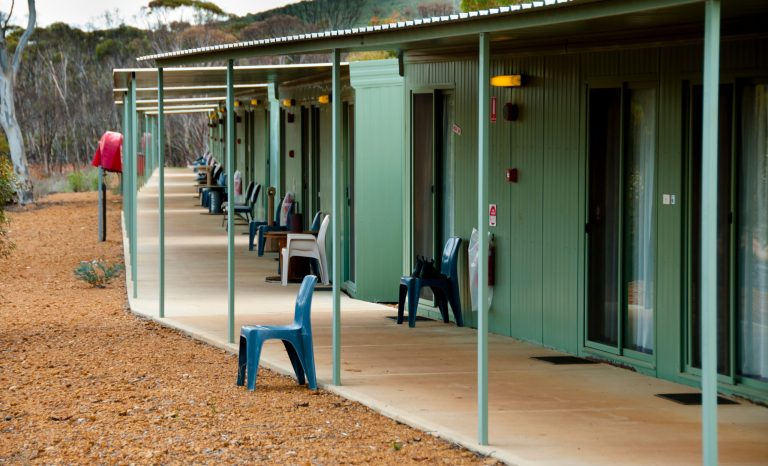
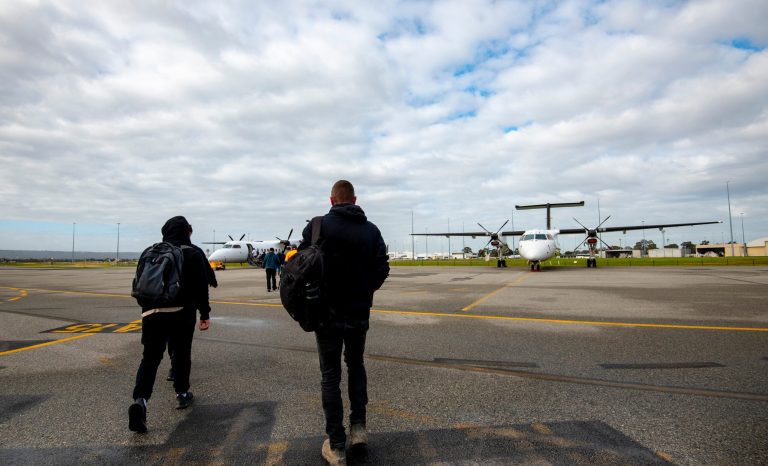
FIFO (Fly In, Fly Out) describes workers who fly to remote job sites for typically two-week-long shifts before returning home and is crucial for jobs in remote and rural areas where daily travel is not easily accessible. While on-site, employees often have their accommodation and meals covered by the company they work for.
FIFO Workers Salaries
In 2024, the average salary for FIFO workers is approximately $113,282 per annum or $58.09/hour, which is $39,808 more than the average Australian income in 2024. Entry-level "no experience" FIFO roles start at $92,643 per annum, while more experienced workers can expect to earn up to $168,816 per year.
Understanding FIFO Rosters and Working Hours
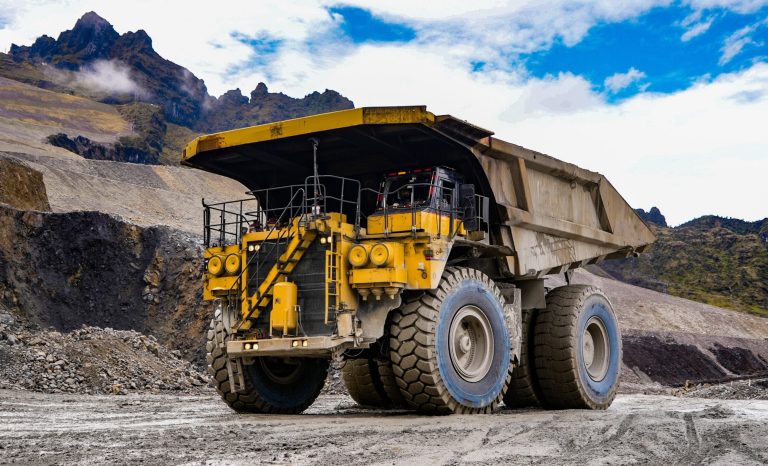
While FIFO workers are well paid, they do work long hours typically working a 10-12 hour day for two weeks before returning home and having one to two weeks off. Some FIFO workers, depending on the job, will need to work weekends because it would be expensive and delay the timelines of projects within mining and construction.
The Major Perks: Salary, Savings, and Lifestyle
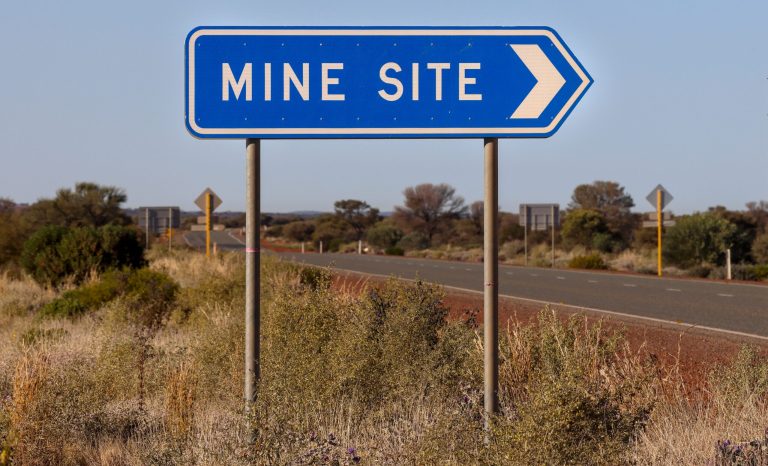
There are a number of perks of working a FIFO position, the first and biggest draw card for many is the generous salary, followed by most having their accommodation and meals covered while on site, which with the rising costs of living can save them money on their living expenses.
Another benefit of FIFO work is having a guaranteed extended period of time off at the end of each roster, on top of receiving annual leave.
Managing Risks and Getting Qualified for the Mines
While FIFO jobs come with many benefits, there are some downsides to working FIFO jobs including being separated from friends and family for extended periods of time which can affect their mental wellbeing, while the intense and repetitive nature of the work in the mining and construction industries can bring with it aches, pains and injuries if workers do not prioritise their healthy and safety.
Enrol in the Standard 11 (S11) Mining Induction course, it is a mandatory course which you will need to complete if you are looking for a job on surface coal and metalliferous mine sites in Queensland. The S11 course covers essential safety and induction requirements, ensuring you are prepared and have adequate knowledge of the risks associated with coal surface mining.
For more information about these courses please call us on 1300 CIVIL S or via email at info@civilsafety.edu.au
About Civil Safety
Civil Safety is a leading Registered Training Organisation (RTO 32381) for the mining, civil and construction industries, with operations across Queensland and Western Australia. We provide safety and operational training to thousands of people every year from a diverse range of backgrounds. Our highly experienced trainers bring real-world experience to the classroom – ensuring our students graduate ready for work with the skills, confidence and qualifications required for safe and compliant operation in dangerous environments.
With a vast range of courses, plus a variety of learning methods including face-to-face, blended and online – we can help you gain the skills you need to enter a new industry or upskill in your current career.
Find out more information on the range of mining courses we offer, or give us a call on 1300 CIVIL S.
Frequently Asked Questions
FIFO (Fly-In, Fly-Out) is a common employment model in Australia’s remote mining, oil, and gas sectors. Because sites are located in rugged, isolated areas where daily commuting isn’t possible, the company flies FIFO workers from major cities to the site. You live and work at a purpose-built camp for a set number of days (your "on" swing) and then fly back home for a scheduled period of rest (your "off" swing).
The average FIFO salary, in 2024-2025, was approximately $113,282 per annum, significantly higher than the Australian national average. However, FIFO pay varies by experience:
Entry-level "no experience" roles: Start around $92,643.
Experienced miners or specialised trades: Can earn between $160,000 and $200,000+.
Hourly rates: Most workers average about $58.00 - $65.00 per hour.
What a FIFO worker does depends on their role, but the work is generally intensive and essential for site operations. Common duties include operating heavy machinery (like haul trucks or excavators), maintaining equipment, processing minerals, or supporting site services like catering and camp management. The nature of the work is repetitive and physically demanding, occurring in some of Australia's most extreme environments.
FIFO working hours are long. A typical workday is 10 to 12 hours, and you will usually work every single day of your swing, including weekends. Common rosters include:
2 weeks on / 1 week off: (The most common "lifestyle" roster).
2 weeks on / 2 weeks off: (Highly sought after for work-life balance).
7 days on / 7 days off: (Often seen in local or DIDO roles).
This depends on how your FIFO wages are structured. If you are a permanent employee on a yearly salary, your pay is averaged out so you receive a consistent paycheck every fortnight, regardless of whether you are on-site or at home. If you are a casual worker, you are usually paid a higher hourly rate only for the hours you work while on-site.
To land a FIFO job in Australia, your training needs are split into two categories: mandatory site access and role-specific qualifications. Civil Safety offers a streamlined pathway for both, ensuring you are compliant and ready for work on day one.
1. The Mandatory "Ticket to Entry"
Standard 11 (S11) Mining Induction: This is the essential "entry ticket" for anyone looking for FIFO work on surface coal or metalliferous mine sites in Queensland. It covers the six nationally recognised units required by law to set foot on a mine site.
BMA Core Induction: If your FIFO role is on a BHP Mitsubishi Alliance (BMA) site, you will specifically need the BMA-aligned Standard 11, which Civil Safety is authorised to deliver.
2. High-Demand Operational Courses
To stand out from the crowd and secure a higher FIFO wage, Civil Safety provides training for high-demand plant and machinery:
Excavator Operator Training: One of the most common entry points for production roles.
Haul Truck & Moxy Operations: Essential for move-and-load teams.
Dozer, Loader, and Grader Tickets: Key for civil and mining infrastructure.
3. Safety & High-Risk Work (HRW) Licences
Many FIFO roles require specialised safety tickets. Civil Safety offers several "short course" bundles often requested by recruiters:
Confined Spaces & Gas Test Atmospheres: Mandatory for many maintenance and shutdown roles.
Work Safely at Heights: A staple requirement for trades assistants and riggers.
Verification of Competency (VOC): If you already have the experience, Civil Safety can conduct a VOC to prove to your employer that you are still competent to operate specific machinery.
Pro-Tip: If you are a "greenie" (no experience), start with the Standard 11 and a Haul Truck or Excavator ticket. This combination is the fastest way to transition from a general applicant to a qualified FIFO worker.
To get into FIFO, you need to focus on "entry-level" roles and mandatory compliance. The most effective path is:
Obtain your Standard 11 (S11) Mining Induction: This is mandatory for QLD coal sites.
Get high-demand tickets: Earning an excavator license or completing excavator operator training can move you from general labourer to a high-paying operator role.
Apply for "Traineeship" roles: Many companies in Perth and Mackay offer "greenie" programs for those with no prior mining experience.
The high FIFO worker salary is designed to compensate for the lifestyle trade-offs. This includes working long hours (up to 84 hours a week), being separated from family for weeks at a time, working in extreme heat, and the high level of responsibility regarding safety in a high-risk environment.
Beyond the FIFO money, significant perks include:
Zero Living Expenses: Accommodation and meals are usually covered while on-site, saving you thousands in groceries and utilities.
Blocks of Time Off: Unlike a standard 9-to-5, you get 7 to 14 days of "true" time off at the end of every swing.
Travel: Most flights (from designated hubs like Perth or Brisbane) are paid for by the company.
Legally, you must be at least 18 years old to work on a mine site in Australia due to high-risk work health and safety (WHS) regulations. There is no "upper" age limit, provided you can pass a rigorous "Coal Board Medical" or site-specific physical assessment to ensure you are fit for the demanding FIFO hours.