
The transition from training into the civil construction industry can be challenging for new entrants. Employers are looking for people who not only understand workplace safety requirements, but also have the confidence, practical skills and behaviours needed to contribute on site from day one.
Infrastructure Ready Program
The Infrastructure Ready Program has been designed to bridge this gap by combining accredited training, employability skills and structured workplace experience to prepare participants for entry-level employment opportunities within Queensland's civil construction and infrastructure industry.
A key component of the program is Structured Workplace Training (SWT), providing participants with the opportunity to apply their learning in a practical, supervised environment that reflects real workplace conditions.
Learning by Doing: Practical Workplace Experience
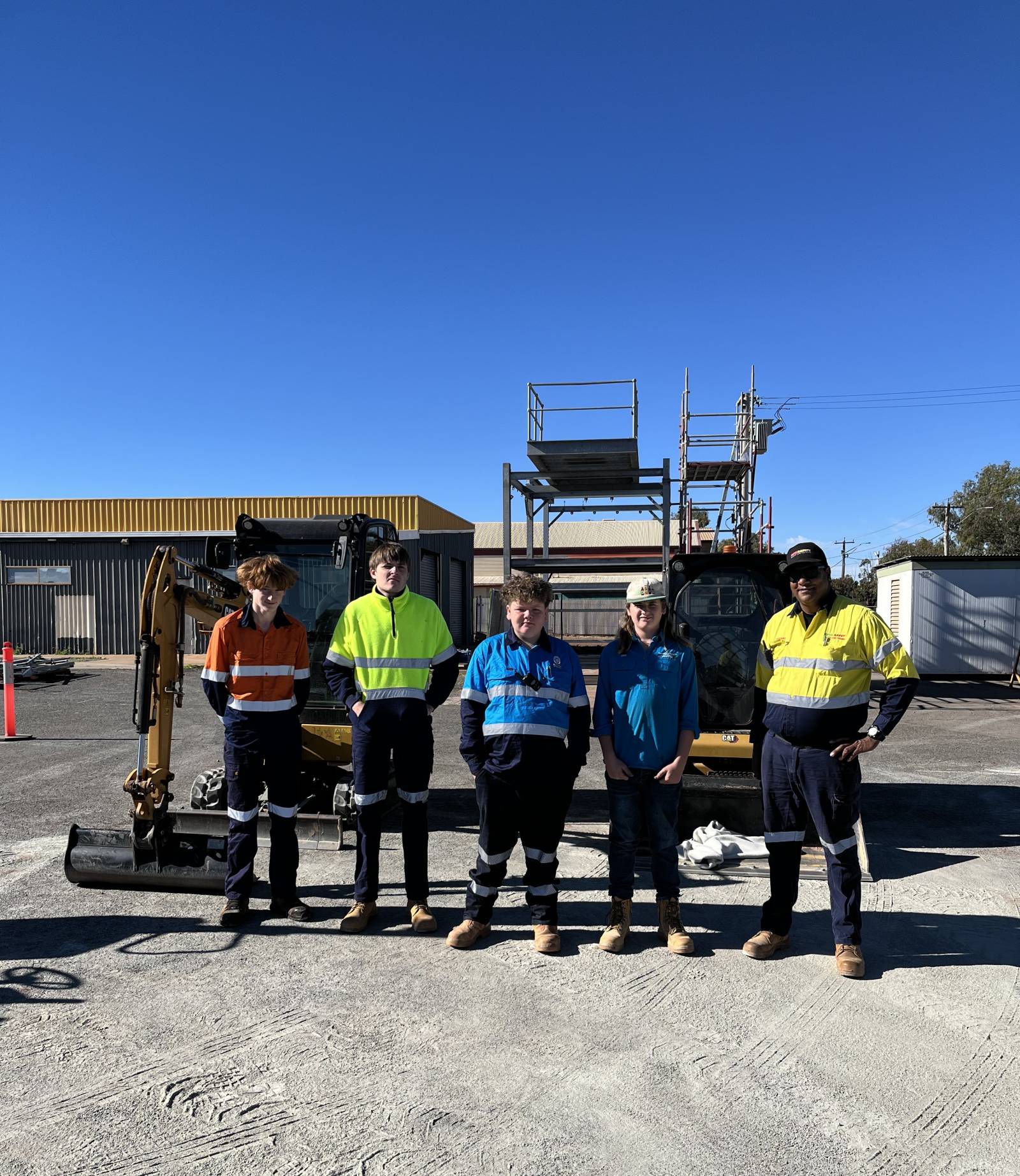
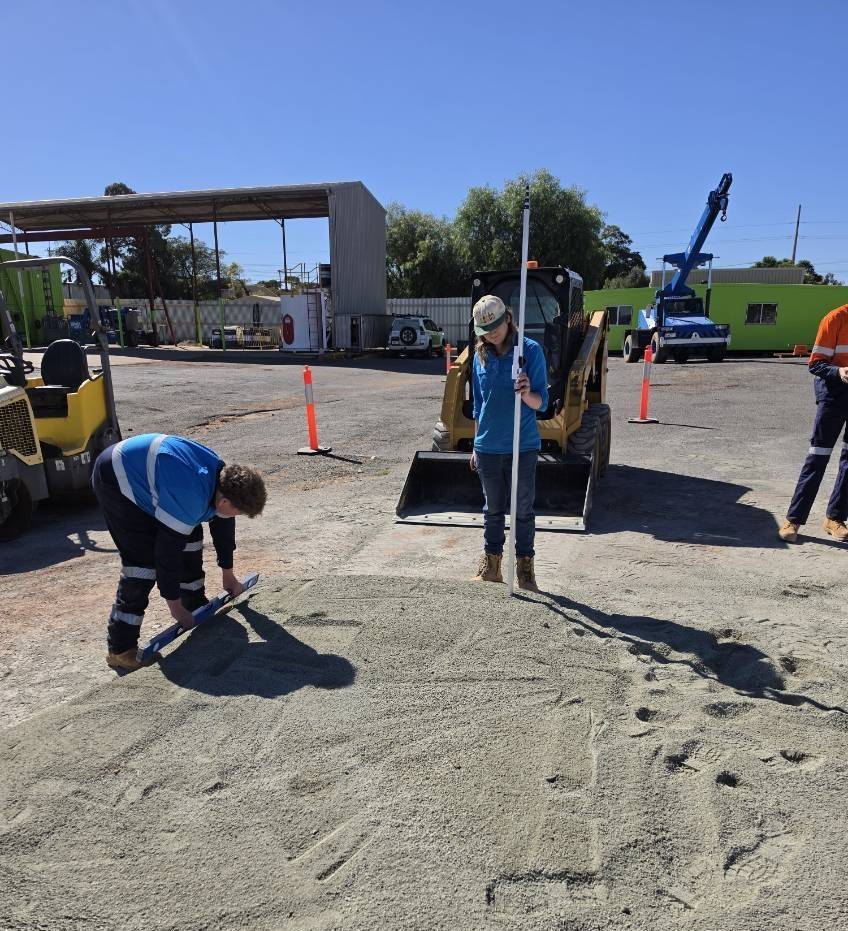
Delivered over a minimum of five days, the Structured Workplace Training component gives participants the opportunity to apply and consolidate the skills developed throughout the program while gaining valuable hands-on experience in real civil construction work environments.
Infrastructure Ready Program
Working alongside experienced trainers, participants develop confidence, improve their technical skills and gain a clear understanding of workplace expectations. The focus extends beyond completing tasks to developing the safety mindset, communication skills and teamwork required to succeed on site.
Developing Job-Ready Skills
Throughout the Infrastructure Ready Program, participants complete five nationally recognised units of competency:
RIIWHS201E - Work safely and follow WHS policies and procedures
RIIBEF201E - Plan and organise work
RIICCM201E - Carry out measurements and calculations
RIICOM201E - Communicate in the workplace
RIISAM203E - Use hand and power tools
These skills are reinforced through practical workplace activities, including workplace inductions, pre-start meetings, hazard identification, risk controls, safe work practices and the correct use of personal protective equipment (PPE).
Participants also gain hands-on experience using common hand and power tools, while learning safe operating procedures, equipment inspections, maintenance requirements and workplace housekeeping.
Practical exercises in measuring, interpreting workplace information and planning work tasks help participants build confidence in the everyday skills needed to work effectively across civil construction projects.
Communication is another key focus, with participants practising toolbox talks, following instructions, working as part of a team, and reporting hazards and safety concerns - skills that are essential on every worksite.
A Safe Introduction to Civil Construction
The program provides participants with valuable exposure to workplace conditions while maintaining a strong focus on safety and supervision.
Infrastructure Ready Program
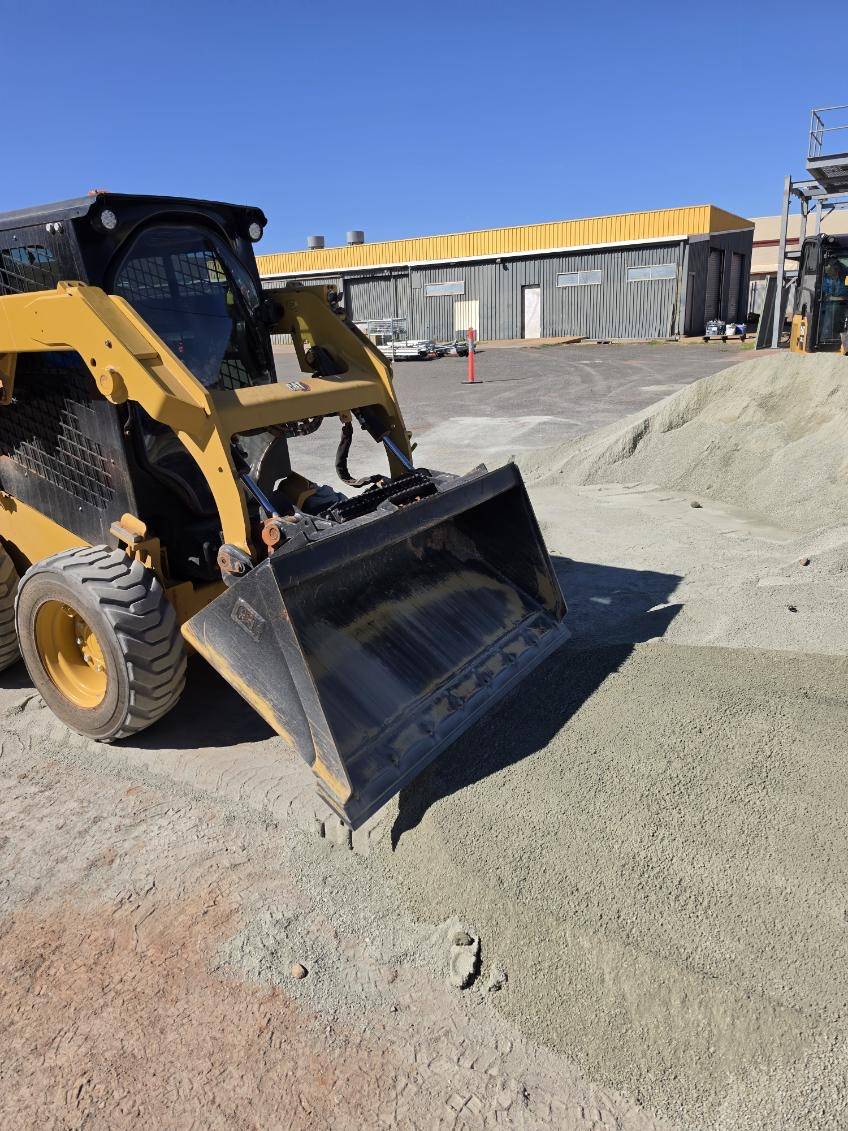
Practical activities may include simulated workplace environments or supervised workplace experiences that reflect real construction scenarios. Participants may also gain awareness of industry practices such as plant pre-start inspections, exclusion zones, traffic awareness and communication with plant operators.
Any plant-related activities focus on safety awareness and communication only, with no high-risk work or licensed plant operation undertaken.
Supporting Future Employment Pathways
The Infrastructure Ready Program is more than just training - it provides a pathway towards employment and future career development.
On completion, participants leave with accredited training outcomes, practical workplace experience, improved confidence, industry knowledge and a stronger understanding of workplace expectations.
Whether progressing into entry-level civil construction roles, further qualifications, plant operator training, high-risk work licensing or civil traineeships, participants finish the program with the skills, confidence and foundation needed to take the next step in Queensland's growing infrastructure industry.