
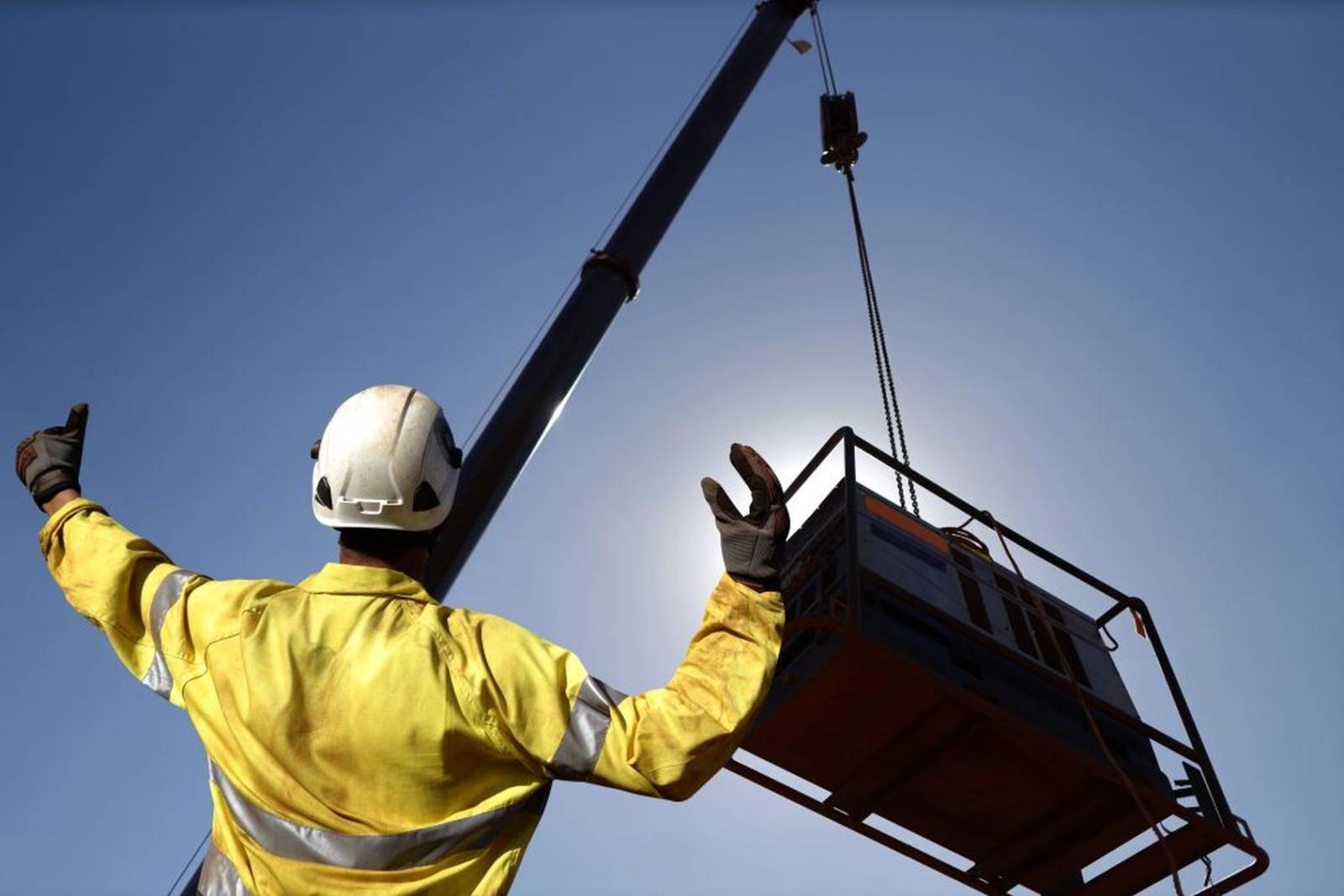
Rigging is one of the few trades where your hands are directly responsible for keeping other workers alive. Every safety net, static line, perimeter screen and structural rigging system on a construction or mine site helps keep workers safe thanks to a rigger.
It’s also one of the most accessible trades to enter in Queensland Western Australia and the rest of our states and territories right now, with a clear licensing pathway from dogging through to advanced rigging. This guide covers exactly how to get there.
What does a rigger do?
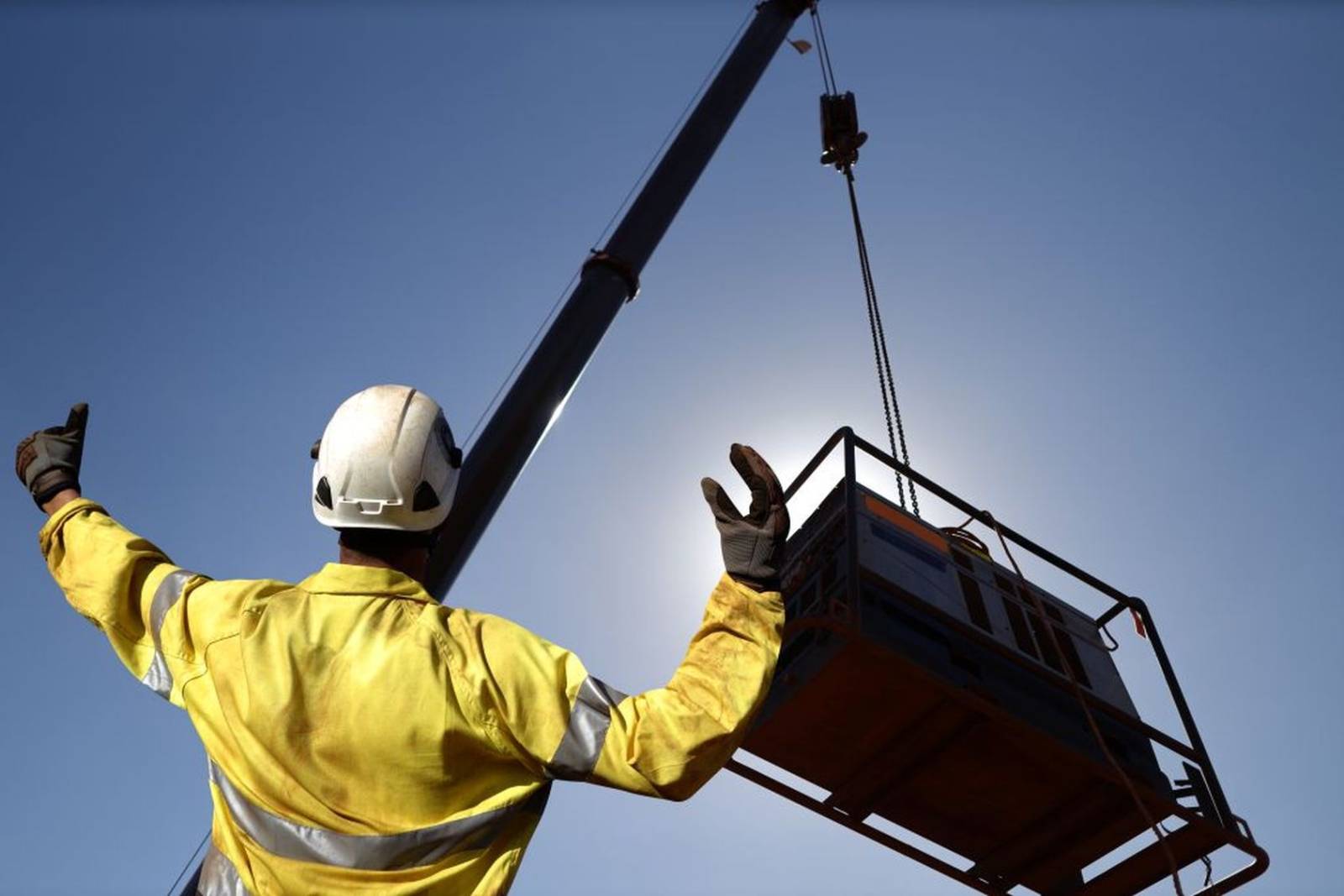
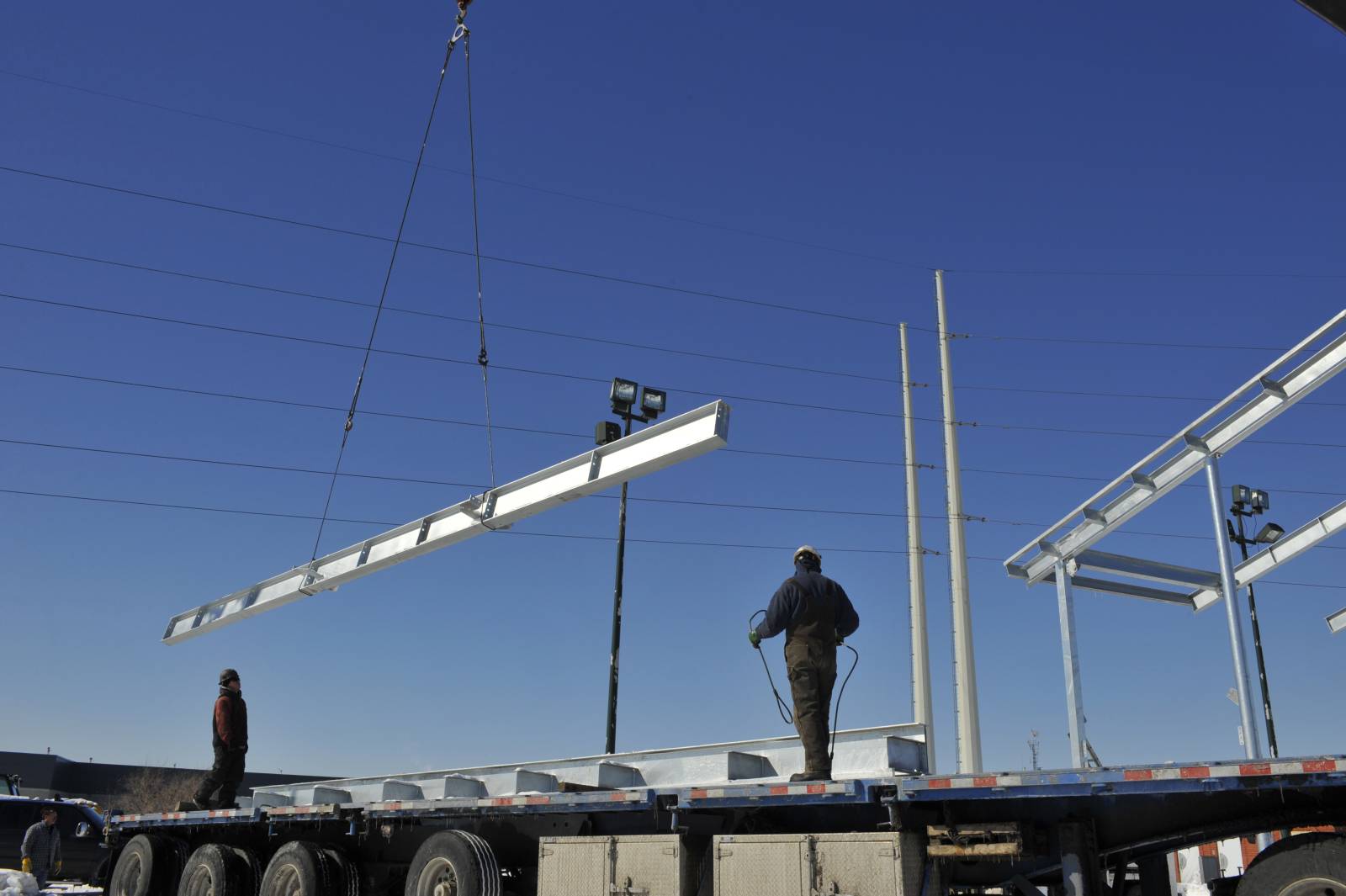
Riggers safely move heavy loads on construction sites, mine sites, infrastructure projects and industrial facilities. On any given day, riggers are in charge of:
Inspecting lifting equipment before each job
Selecting and attaching the right gear for each lift
Erecting structural steelwork
Installing safety nets, static lines and perimeter screens
Directing crane operators when loads move out of their line of sight
That last point is more important than you might think. Falls from heights were the second leading cause of worker fatalities in Australia in 2023, accounting for 29 deaths, a 71% increase on the previous year. Forty-five percent of those deaths occurred in construction. The safety nets and perimeter screens that riggers install are what stand between a working site and those statistics.
Rigging is often confused with dogging, but they’re different roles. Doggers sling loads and direct crane operators during lifts. Riggers take on much broader work, shifting mechanical loads, installing structures, managing complex rigging systems, and setting up the safety equipment that keeps people safe while working at heights.
How to become a rigger in Australia: step by step
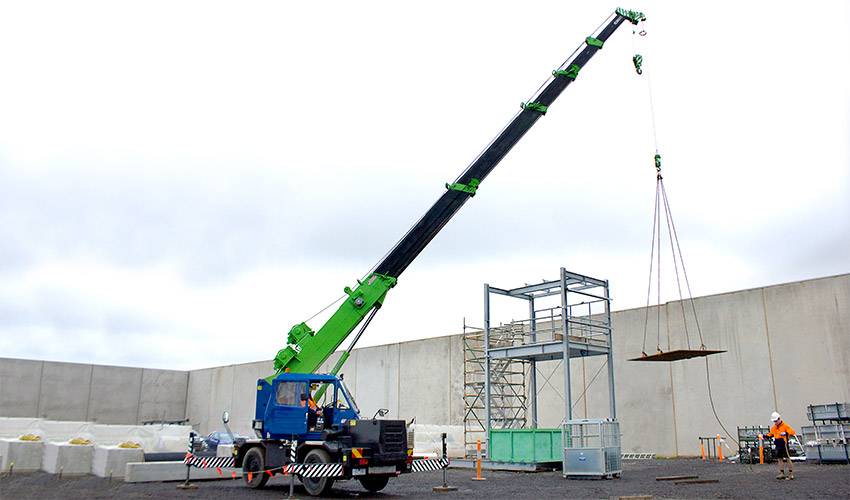
Australia’s construction industry needs to bring in at least half a million workers by 2029 just to maintain current activity levels, and construction apprenticeship commencements dropped 22% in 2023. The pipeline is shrinking whilst demand grows, which is great news if you’re thinking about becoming a rigger in Australia.
These are the steps to getting your first rigging licence:
Get your white card: You need a white card before you can set foot on any construction site in Australia. It’s the baseline safety induction for the industry, and a prerequisite for everything that follows.
Complete your dogging licence: The Licence to Perform Dogging (CPCCLDG3001) course is the non-negotiable, prerequisite first step before you enrol in any rigging course. Dogging teaches you how to select and attach lifting gear and direct crane operators during lifts, and you’ll build on these skills when you move into rigging.
Complete basic rigging: The Licence to Perform Rigging Basic (CPCCLRG3001) course is your entry point into rigging. If you want to complete dogging and basic rigging together, our Licence to Perform Dogging and Basic Rigging combined course covers both in one convenient course.
Apply for your high-risk work licence: Once you pass your assessment, you apply to the relevant state authority. WorkSafe Queensland, and WorkSafe Western Australia if you’re based in WA.
Progress to intermediate and advanced: Once you have site hours behind you, completing a Licence to Perform Rigging (Intermediate) course opens up crane work, conveyors and tilt-slabs. Advanced rigging takes you into gin poles and suspended scaffolds.
If you’re already working as a rigger and changing employers or moving to a new site, most labour hire agencies will ask for a Verification of Competency (VOC) before putting you back on the tools. We run VOC assessments for basic, intermediate and advanced rigging at our Queensland and Western Australia training centres.
The rigging licence hierarchy
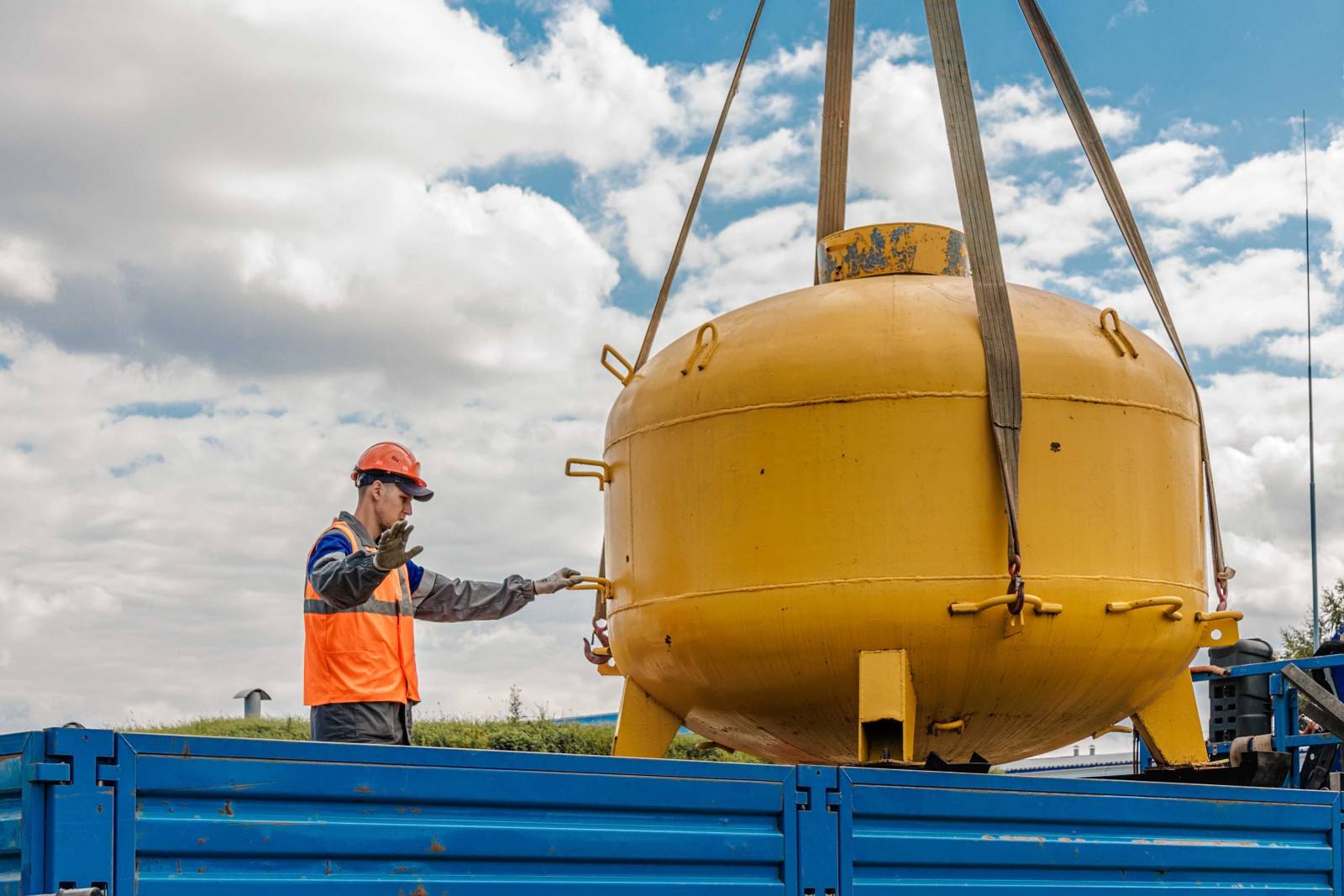
Infrastructure Australia projects a shortfall of more than 300,000 workers on public infrastructure projects by mid-2027, with trades and operator roles facing the steepest shortages. Each rigging licence level you add unlocks more advanced work and higher pay. Here’s what each one opens up:
Dogging (DG): Gets you onto construction and mine sites in a lifting support role. Most labour hire agencies treat this as the minimum ticket for crane and rigging crews.
Basic Rigging (RB): Opens up structural steel, safety system installation, general rigging work and crane support on civil and construction projects. The Licence to Perform Rigging Basic Level course is where most riggers start building their hourly rate.
Intermediate Rigging (RI): You work with cranes, conveyors, tilt-slabs, and demolition rigging. The Licence to Perform Rigging Intermediate Level course is where shutdown and FIFO work become accessible.
Advanced Rigging (RA): The highest licence level, covering gin poles, shear legs and suspended scaffolds. Advanced riggers command the highest rates and work on the hardest projects in the country.
For candidates who want a full nationally recognised qualification rather than individual licences, the Certificate III in Rigging covers the complete pathway in one programme.
Rigger salary and career outlook
Nearly 139 occupations have been in persistent shortage in Australia every year since 2021, with almost half of all trades and operator roles still unfilled. Riggers are right in that category, and demand is strongest on shutdown and FIFO projects in QLD and WA where experienced operators earn well above their standard weekly rate.
These are the average rigger salaries in Australia at different experience levels: (Marco can you include a source when providing stats please)
Experience level | Example roles | Salary range |
Entry level | Dogging and basic rigging, construction site crew | |
Mid-level | Intermediate rigger, civil infrastructure, shutdown work | |
Experienced | Advanced rigger, FIFO mine sites, major civil projects |
Get your rigging licence with Civil Safety
Riggers are among the most consistently in-demand workers in Australia, and we can help get you there. We offer the Dogging and Basic Rigging Bundle, Licence to Perform Rigging Intermediate Level and Certificate III in Rigging courses at our Queensland and Western Australia training centres. Contact Civil Safety today to find the right pathway for you.
Frequently asked questions
Yes, you need to complete a Licence to Perform Dogging (CPCCLDG3001) as a prerequisite before you can enrol in any rigging course. You cannot skip straight to basic rigging without it.
The dogging course usually takes four to five days to complete. Basic rigging adds another four to five days on top of that. Most candidates work through both sequentially, and our Dogging and Basic Rigging Bundle covers both in one enrolment.
Yes, rigging high-risk work licences are nationally recognised and valid in all of Australia without any additional steps.