

A first aid certificate is a legal compliance requirement on most construction, mining, civil and infrastructure work sites in Australia. In 2024, 188 workers died from workplace injuries, with construction among the six industries accounting for 80% of those fatalities. Trained first aiders on site help save lives in situations where every second counts.
This guide covers everything you need to get your first aid certificate in Australia, including how to know which qualification is right for you. Some employers are fine with the CPR-only Perform CPR course (HLTAID009), while others require the more comprehensive Provide First Aid Course (HLTAID011). Below, you’ll learn the differences between the two, how you can complete both in one course if you prefer, what to expect during training, and how to stay compliant with renewal requirements.
How to get your first aid certificate: step by step
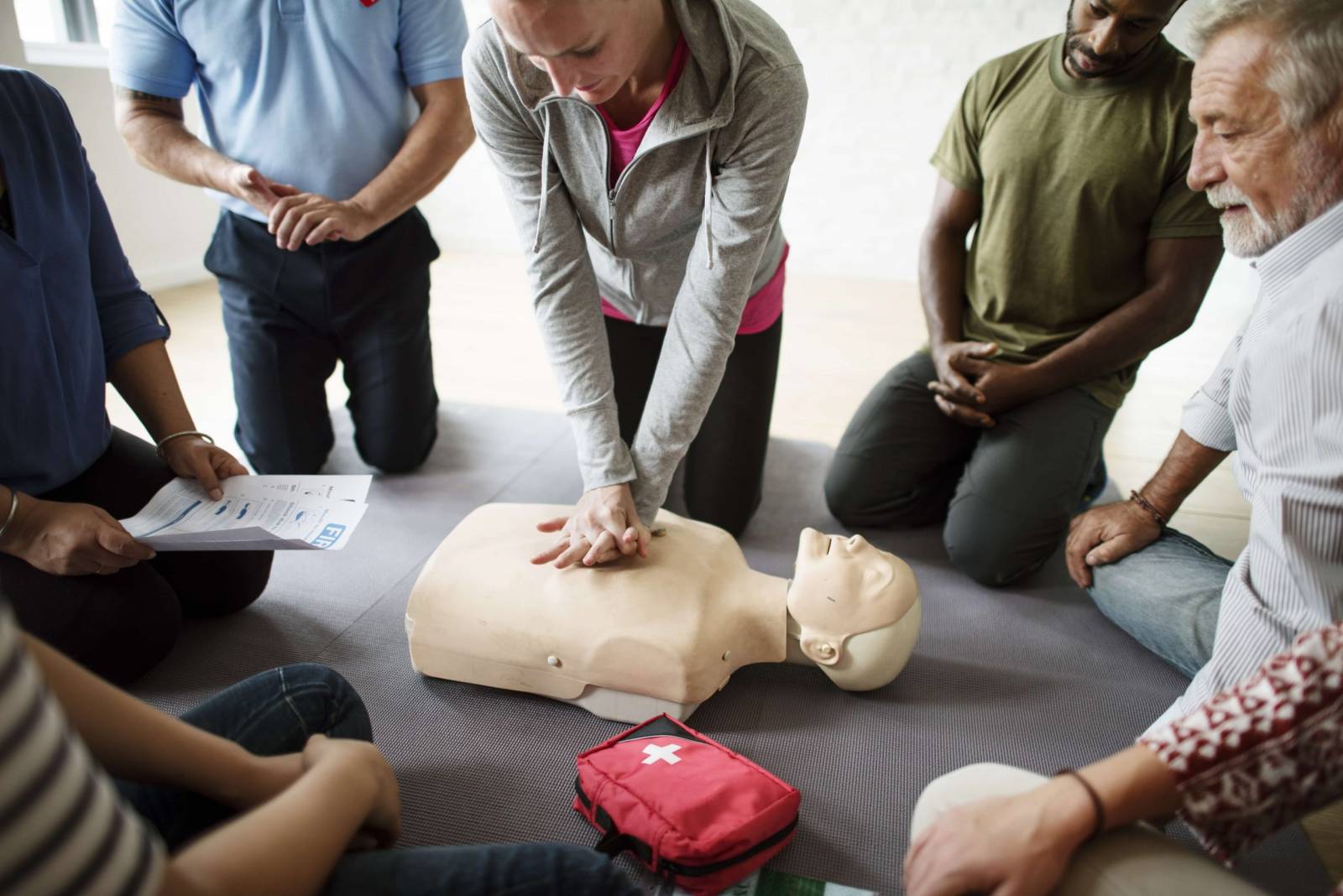
You can complete your first aid certificate in Australia in just one day (typically 4-6 hours), but the skills you gain could one day save a life. Here’s exactly how to get certified:
Choose the right qualification: The Provide First Aid Course (HLTAID011) is the full qualification and what most construction, mining, civil and industrial employers require. The Perform CPR course (HLTAID009) is the standard CPR unit, suited to workers who already hold a current HLTAID011 and need their yearly CPR renewal. You can even choose to do a Combined First Aid/CPR course if you’d like to complete both in one day. If you’re not sure which one your employer needs, check your site safety requirements before you book.
Complete any pre-learning: Some providers offer online theory components you can work through before the face-to-face session. Civil Safety offers this for the combined First Aid and CPR course, which lets you cover the knowledge content at your own pace before attending in person.
Attend the face-to-face practical session: This part is mandatory. Fully online HLTAID011 courses are not legitimate and won’t be accepted by employers. The practical session covers CPR on a manikin, AED use, and hands-on emergency scenario responses relevant to your industry.
Complete the assessment: Your trainer will assess your practical skills during the session. Pass rates are high, because trainers work with candidates until they’re 100% sure they’re competent. You won’t be sent home for struggling with a technique.
Receive your Statement of Attainment: Civil Safety issues Statements of Attainment on the same day as your face-to-face course. You leave with proof of certification in hand.
First aid vs CPR: what's the difference?
These two qualifications are related but they’re not the same thing, and mixing them up can leave you non-compliant on site without realising it. The main difference is that the Perform CPR course (HLTAID009) covers cardiopulmonary resuscitation, whereas the Provide First Aid Course (HLTAID011) goes much further, covering emergency response, wound management, fractures, burns, anaphylaxis and many other common medical emergencies.
Here’s how the two qualifications compare:
Perform CPR course (HLTAID009) | Provide First Aid Course (HLTAID011) | |
What it covers | CPR and AED use only | CPR, AED, wound care, fractures, burns, anaphylaxis and emergency response |
Who it’s for | Workers renewing their yearly CPR component | Workers who need a full workplace first aid certification |
Includes CPR | Yes | Yes |
Renewal frequency | Every 12 months | Every three years (CPR component needs to be renewed yearly) |
Accepted by most employers | No | Yes |
What first aid training involves
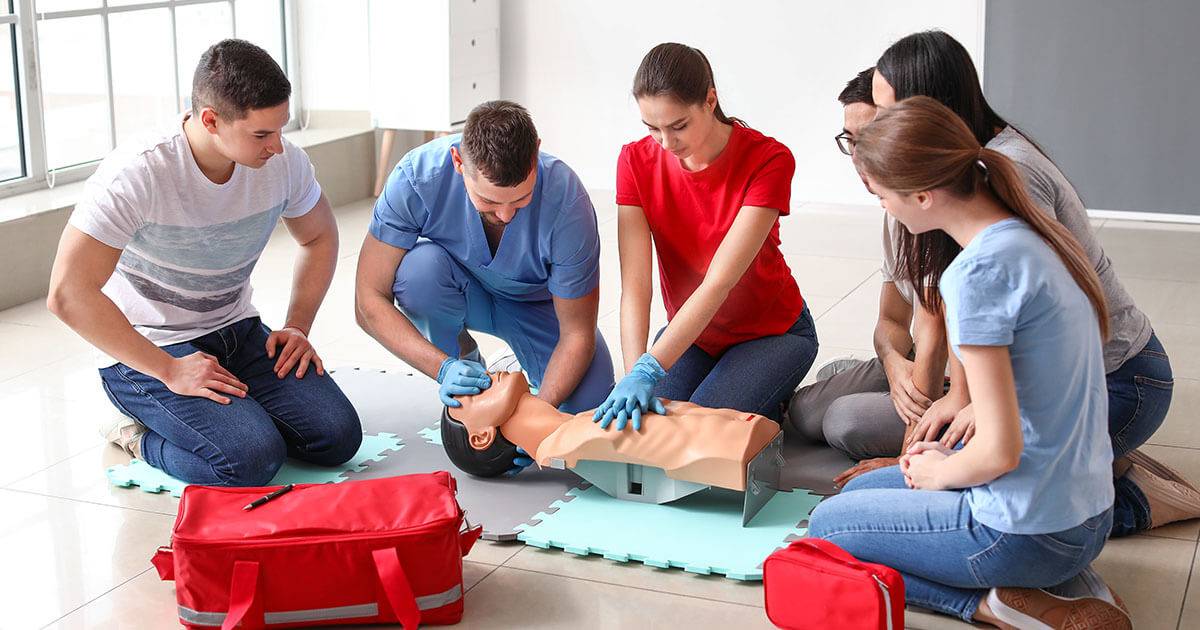
Most candidates complete their first aid certificate in a single day. You’ll start with an online theory component you work through before you arrive, which covers the knowledge side of emergency response at your own pace. It takes a couple of hours and means you walk into the practical session already prepared. You can also choose to complete the First Aid course entirely face-to-face if you prefer at a select number of our training facilities such as Mackay.
The practical session is where you’ll get certified. You’ll work through CPR on a manikin, practice using an AED, and respond to a series of emergency scenarios your trainer will set up for you. At Civil Safety, those scenarios are built around construction sites, mine sites and high-risk industrial environments, so you get some practical experience ahead of time if you’re planning to get a job in the mines. Our trainers have all worked in these environments for decades and will be able to provide you with insights into the types of situations you can expect to face in your own career.
Your trainer will assess you as you go. If you’re struggling with a technique, they’ll work with you until you’ve got it. Nobody gets sent home for needing an extra attempt. The pass rate here is very high because the course is designed to get everyone across the finish line.
By the end of the day, you’ll have your Provide First Aid Course (HLTAID011) Statement of Attainment in hand and a clear understanding of how to respond when something goes wrong on site.
Renewal and refresher requirements
Most workers don’t realise their first aid certificate runs on two separate timelines until they’re already non-compliant or dangerously close to becoming so. Your Provide First Aid Course (HLTAID011) certificate is valid for three years, but the CPR component inside it needs to be renewed every twelve months.
In practice, that means you need to book a standalone Perform CPR course (HLTAID009) renewal at 12 months, then again at 24 months, and then complete the full Provide First Aid Course (HLTAID011) course again at 36 months. If you miss the yearly CPR renewal, your first aid certificate will still be technically current but your CPR competency won’t be, which is a compliance gap that will show up in audits.
Workers in mining and other high-risk industries may face stricter renewal requirements on top of the Australian Resuscitation Council guidelines above. Your employer sets the schedule for your site, so it’s best to check what’s required with them before your certificate lapses.
First aid courses for high-risk and remote work
Standard first aid training covers the basics - but in high-risk or remote environments, that’s often not enough. If you work in these conditions, these two additional courses can give you the skills and confidence to respond when it really matters:
Provide First Aid in Remote or Isolated Site
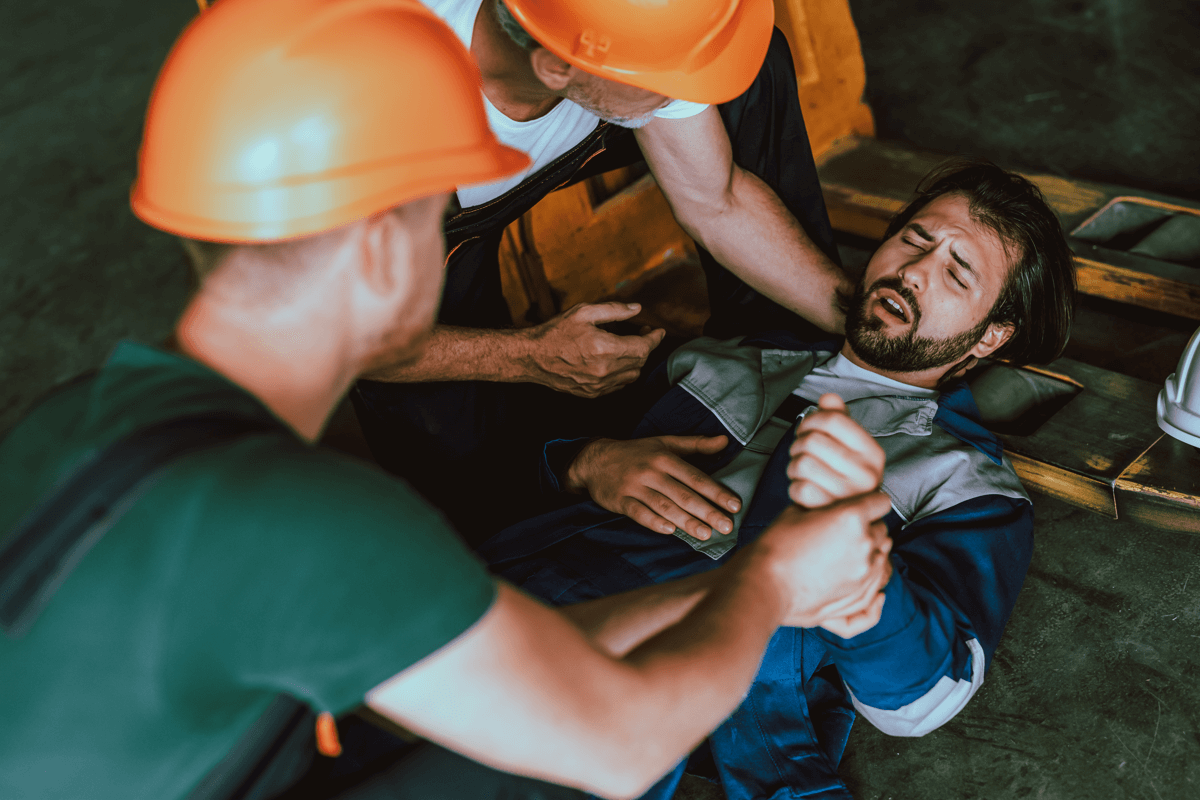
FIFO workers, remote mine site personnel, exploration field teams and civil construction crews working in regional areas work in locations where an ambulance might be an hour away or more. The Provide First Aid in Remote or Isolated Site is built precisely for those situations.
On top of standard first aid, this course covers managing a patient over an extended period before emergency services arrive. You’ll learn how to monitor vital signs, make decisions without immediate medical support and keep someone stable when help is a long way off.
Perform Rescue from a Live LV Panel/First Aid bundle
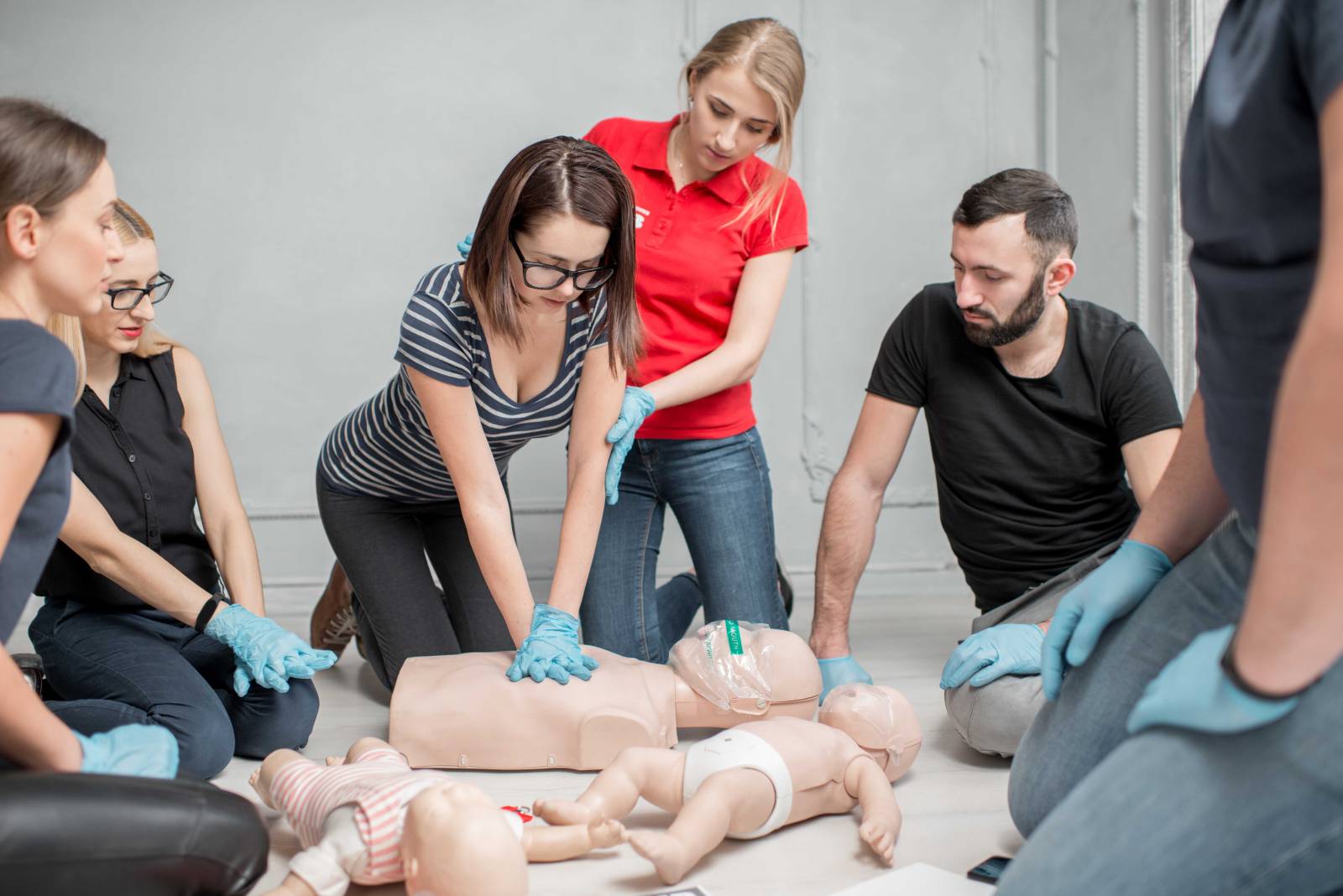
Electrical incidents on mine sites, civil construction projects and infrastructure worksites can incapacitate a worker instantly. The Perform Rescue from a Live LV Panel/First Aid bundle trains you to safely remove a person from a live low voltage panel and administer first aid immediately after.
This course is relevant to plant operators, electricians and anyone working near electrical infrastructure. Knowing how to respond in the first moments after an electrical accident, before any help arrives, is what this training is designed for.
Book your first aid course with Civil Safety
A first aid certificate is one of the easiest qualifications to get and also one of the most commonly requested by employers. Most candidates get to walk out with their Statement of Attainment the same day they start, so there’s really no reason to put this off.
We deliver the Provide First Aid Course (HLTAID011), Perform CPR course (HLTAID009, or the combined Provide First Aid/CPR courses across our Queensland and Western Australia training centres. We also offer advanced options including Provide First Aid in Remote or Isolated Site and the Perform Rescue from a Live LV Panel/First Aid bundle for those working in higher-risk environments.
Be ready when it matters most - book your training today and gain the skills that could one day save a life.