
Civil Safety training in Kalgoorlie
Choosing a career pathway can be challenging for young people who are still exploring their interests and considering their future options.
For many students, experiencing an industry firsthand can provide valuable insight and help them make more informed decisions about their career pathways.
Civil Safety’s Try-A-Trade program gives students the opportunity to experience a practical training environment and explore the skills, tools and activities involved in industries such as engineering, fabrication and boilermaking.
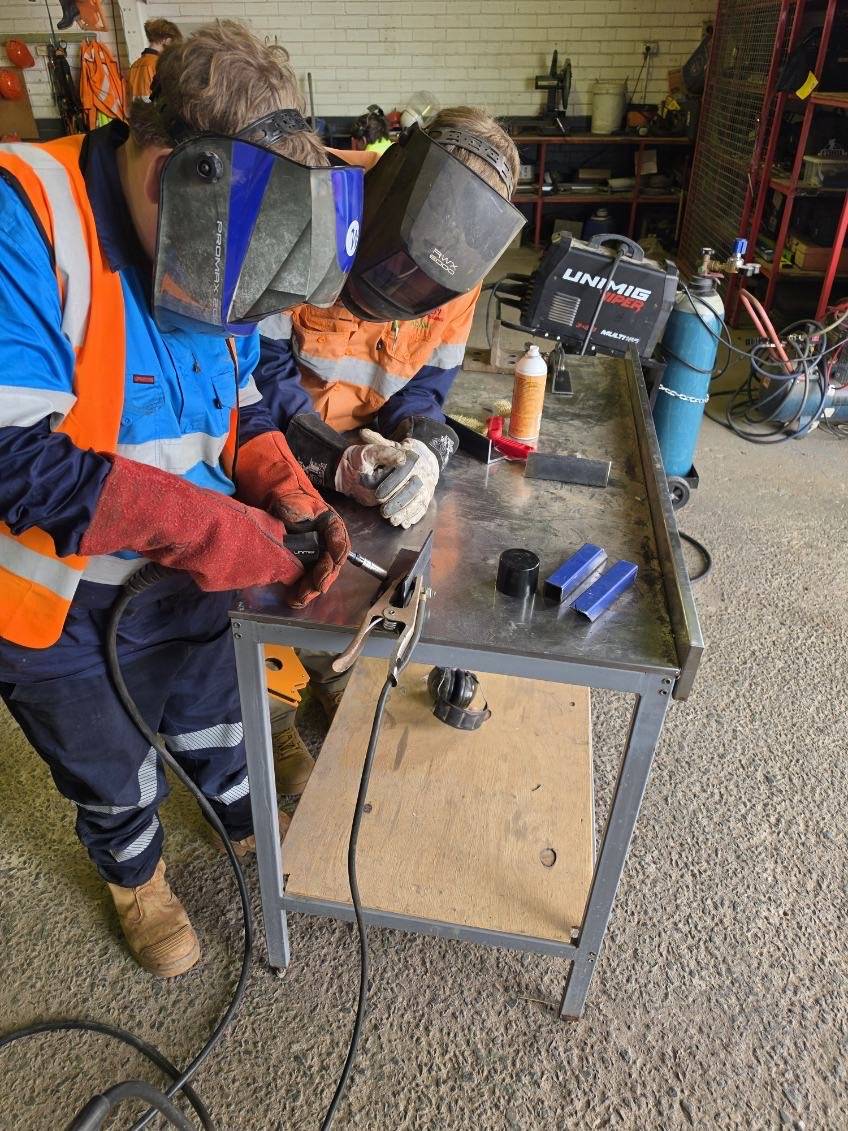
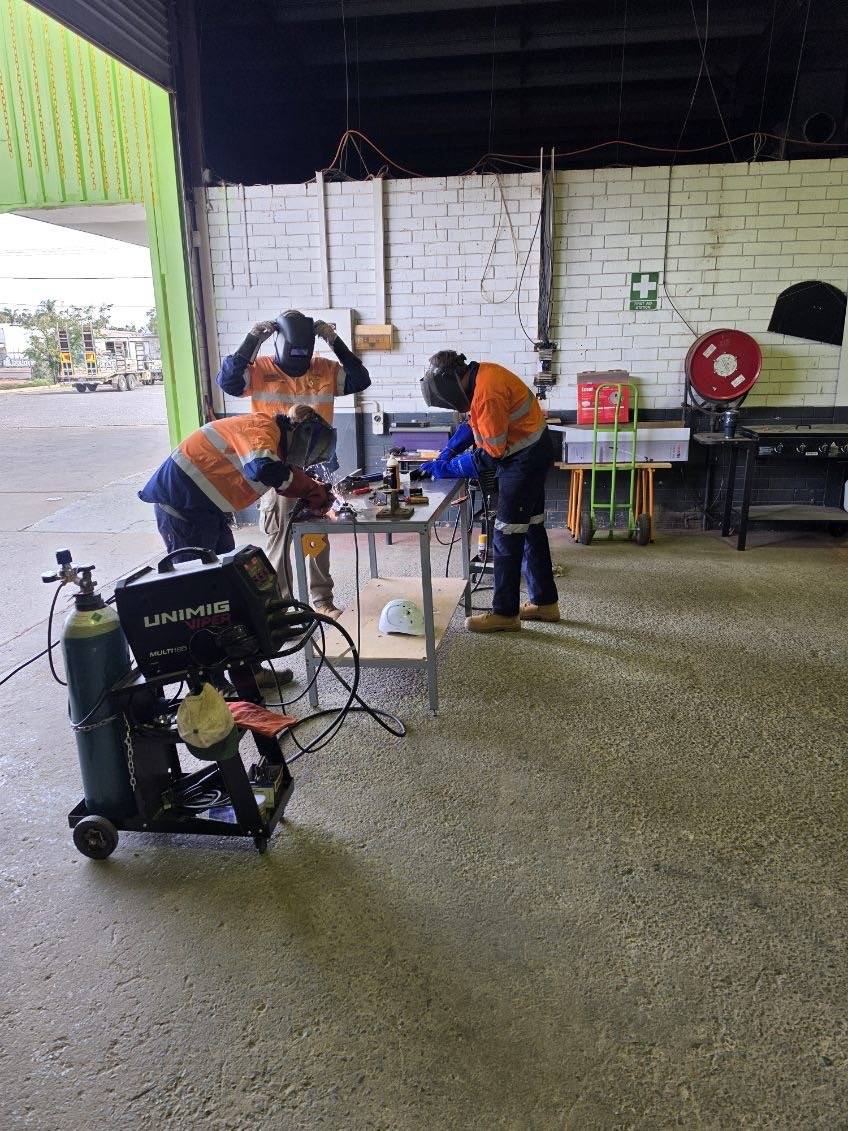
Recently, Civil Safety delivered a Try-A-Trade program focused on welding and fabrication for local high school students in the Kalgoorlie region. The program provided students with hands-on experience while introducing them to workplace safety, fabrication techniques and potential career opportunities within the industry.
What Is the Try-A-Trade Program?
The Try-A-Trade program is designed to introduce students to different industries through practical, hands-on learning experiences.
Civil Safety training in Kalgoorlie
It allows participants to explore potential career pathways before committing to further study, an apprenticeship or employment. Through the boilermaking and engineering program, students are introduced to welding, fabrication and metalwork while learning about the importance of safety, quality and teamwork in the workplace.
Participants have the opportunity to:
Experience practical welding and fabrication activities
Learn how tools and equipment are used in industry
Develop workplace safety awareness
Understand metal fabrication processes
Explore boilermaking and engineering career pathways
Build confidence through practical learning
Exploring Boilermaking and Engineering Careers
Boilermaking and engineering play an important role across a wide range of industries, including mining, construction, manufacturing, infrastructure and heavy industry.
From structural steel and fabricated components to industrial equipment, machinery and plant, skilled tradespeople help create, maintain and repair the structures and equipment that keep major industries operating.
Careers in these industries may involve working with:
Structural steel
Fabricated components
Industrial equipment
Machinery and plant
Engineering projects
For students, understanding what these careers involve can be difficult without the opportunity to experience the work firsthand. The Try-A-Trade program provides a practical introduction to engineering, fabrication and boilermaking, helping students explore the types of work involved while developing an understanding of the skills, safety awareness and attention to detail required in a trade environment.
Learning Workplace Safety First
Safety is an important part of engineering, fabrication and construction environments.
Before starting practical activities, students were introduced to the fundamentals of completing a Job Safety Analysis (JSA). This provided an opportunity to learn how to identify potential hazards, assess risks and consider appropriate control measures before work begins.
Starting with safety helped students understand that working in a trade environment involves more than simply knowing how to use tools and equipment. It also requires workers to recognise hazards, follow safe work procedures and take responsibility for their own safety and the safety of those around them.
Hands-On Learning Through Welding and Fabrication
A key feature of the Try-A-Trade program was the opportunity to learn through practical experience.
Students were introduced to the basics of cost estimating and metal fabrication, including measuring and cutting metal using a drop saw. They also gained an introduction to welding using an oxy-acetylene welder, providing an insight into the techniques and processes used across fabrication and engineering environments.
Throughout the program, students worked towards creating their own shutter screens. This project gave them the opportunity to apply a range of skills, including:
Measuring and interpreting dimensions
Planning and preparing work
Estimating materials and costs
Cutting and fabricating metal
Applying welding techniques
Solving practical problems
Working safely with tools and equipment
By working through a project from planning to completion, students gained a better understanding of how individual tasks contribute to a finished product.
Why Hands-On Career Experience Matters
Not every student discovers their interests through classroom learning alone.
The opportunity to work with tools, complete practical tasks and experience a real training environment can help students build confidence and discover potential career pathways.
A Try-A-Trade program allows students to better understand:
The type of work carried out in engineering and fabrication
The tools and equipment used by industry professionals
The importance of safety and teamwork
The skills required for trade careers
The opportunities available within the industry
This early exposure helps students make more informed decisions about their future.
Building Skills for the Future
Alongside technical skills, students develop valuable employability skills including:
Communication
Teamwork
Problem-solving
Following instructions
Attention to detail
Workplace safety awareness
These skills provide a strong foundation for future study, apprenticeships and employment.
A First Step Towards a Future Trade Career
For some students, the Try-A-Trade program may be their first introduction to engineering and boilermaking.
The experience can help students discover new interests, build confidence and gain a better understanding of what a future trade career could involve.
For schools and educators, programs like this provide an opportunity to connect students with industry and showcase real-world career pathways.
For students, it provides the chance to explore an important question:
Could this be the career for me?
Supporting the Next Generation of Skilled Workers
Industries such as engineering, fabrication and boilermaking rely on skilled workers with practical abilities, technical knowledge and a strong commitment to safety.
Civil Safety is proud to deliver practical, industry-focused learning experiences that help students explore career pathways in a supportive training environment.
The Try-A-Trade program provides more than an introduction to a trade. It gives students the opportunity to develop confidence, gain practical skills and better understand where a career in engineering or boilermaking could lead.
Interested in a Try-A-Trade Program?
Schools, organisations and community groups interested in providing students with practical exposure to engineering, boilermaking and other industry pathways can contact Civil Safety to discuss available Try-A-Trade opportunities.
To learn more or secure a place in an upcoming program, contact Civil Safety Kalgoorlie today on 08 9092 1800 or email kalgoorlie@civilsafety.edu.au