
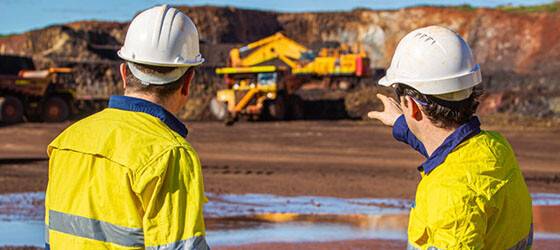
Queensland and Western Australia have most of the mines in the country, and both states have plenty of demand for entry-level workers. The industry has faced one of the most acute skills shortages of any sector in Australia in recent years, and that creates plenty of opportunities for candidates with no prior mining experience who are willing to get the right tickets before they apply.
This guide covers the most accessible entry-level mining jobs in QLD and WA, what each role involves day-to-day, the certifications you’ll need before applying, and what you can expect to earn.
What counts as entry-level in mining?
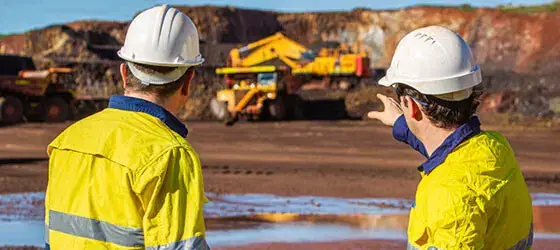
Entry-level mining roles are open to candidates with no prior mining experience, but they still require certifications before most employers will consider your application. The Standard 11 induction is the bare minimum requirement, so that’s always the first step to becoming a mining worker in Queensland. Candidates who show up with safety tickets and machinery licence on top of that get hired faster and sometimes even earn more from day one.
The other thing worth knowing about before you start applying is the trade-off. Mining pays significantly more than most industries at entry level, but the rosters are long, the sites are remote, and the work is physically demanding. Fly-in-fly-out (FIFO) rosters in particular suit some people well and others not at all (especially those with families and young children). Going in with clear expectations about the lifestyle makes the job search more focused and the work itself easier to commit to.
Surface mining roles
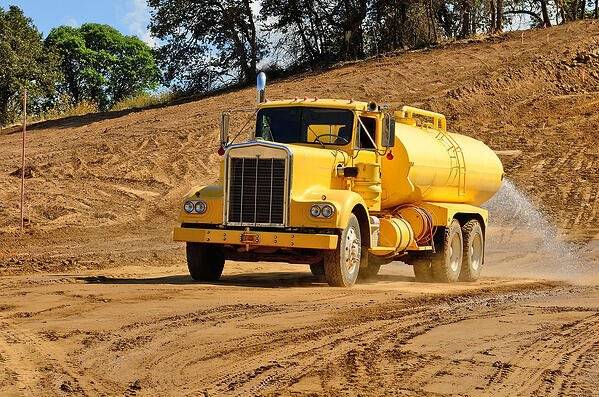
Surface mining is where most new entrants start. Open cut operations run around the clock and employ countless operators, labourers, and civil workers at any given time, which makes them the most accessible entry point for candidates without prior mining experience. The roles below are the most common starting positions on surface mine sites in QLD and WA:
Role | What the work involves | Tickets required | Salary |
Dump truck operator | Operating rigid dump trucks on open cut mine sites | Rigid haul truck ticket (RIIMPO338E) | |
Water cart operator | Driving a water cart around the site to suppress dust on haul roads and work areas | Water cart ticket (RIIMPO326E) | |
Mine site labourer | General site work including maintenance, drainage and supporting other crews | Mine site inductions and any additional employer-specific requirements | |
Grader operator | Operating a grader to maintain haul roads and site surfaces | Grader ticket (RIIMPO324F) | |
Excavator operator | Operating an excavator for earthworks, drainage and site prep | Excavator ticket (RIIMPO320F) | |
Dozer operator | Operating a bulldozer for land formatting and site cleaning | Dozer ticket (RIIMPO323E) | |
Loader operator | Operating a front-end loader to move material around the site | Loader ticket (RIIMPO321F) | |
Scraper operator | Operating a scraper for bulk earthmoving on large open cut sites | Scraper ticket (RIIMPO325E) | |
Roller operator | Operating a roller to compact material on haul roads and work areas | Roller ticket (RIIMPO317F) |
Underground mining roles
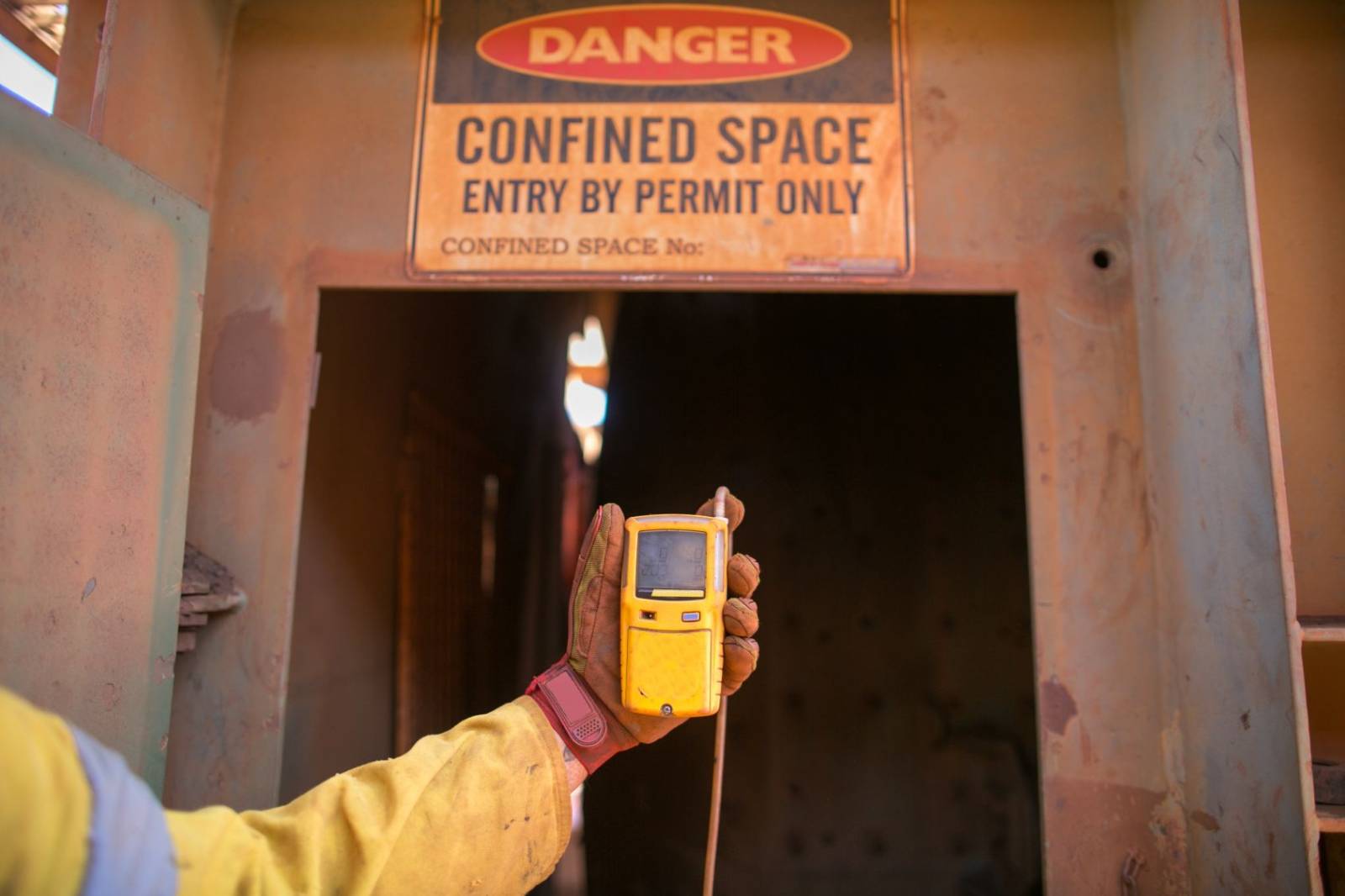
Underground mining pays more than surface work at every level, but the barrier to entry is also higher. Most roles beyond a nipper (an entry-level worker who assists a tradesperson or operator) require on-site experience before employers will consider you, and several require a Certificate III in Underground Metalliferous Mining (RII30320) or Underground Coal Operations (RII30220) to progress.
If you plan on working in underground mining in Queensland, you’ll need to complete both the Standard 11 surface induction as well as the Standard 11 underground induction.
In addition, it helps to have certification in Confined Spaces, Gas Test Atmospheres, and Working at Heights - all of which you can complete at one of our training centres across Queensland and Western Australia. Once you’ve started your underground career, you can pursue any of the following roles:
Role | What the work involves | Tickets required | Salary |
Nipper | Entry-level underground assistant handling equipment and housekeeping tasks for the crew | Both Standard 11 courses mentioned above, First Aid & CPR and Working At Heights (RIIWHS204E) | |
Miner | General underground production work including drilling and blasting support | Confined Spaces (RIIWHS202E) and Gas Test Atmospheres (MSMWHS217) | |
Bogger operator | Operating a load haul dump (LHD) machine to move ore underground | Certificate III in Underground Metalliferous Mining (RII30320) | |
Jumbo operator | Operating a drill rig underground to drill blast holes and install rock bolts | Certificate III in Underground Metalliferous Mining (RII30320) | |
Serviceperson | Maintaining underground infrastructure like pipes and ventilation equipment | Confined Spaces (RIIWHS202E) and Working at Heights (RIIWHS204E) | |
Process operator | Operating and monitoring processing plant equipment to extract minerals from ore | Confined Spaces (RIIWHS202E) and Gas Test Atmospheres (MSMWHS217) | |
Process plant operator | Operating processing plant machinery like crushers and mills | Confined Spaces (RIIWHS202E) and Gas Test Atmospheres (MSMWHS217) |
Drilling and exploration roles
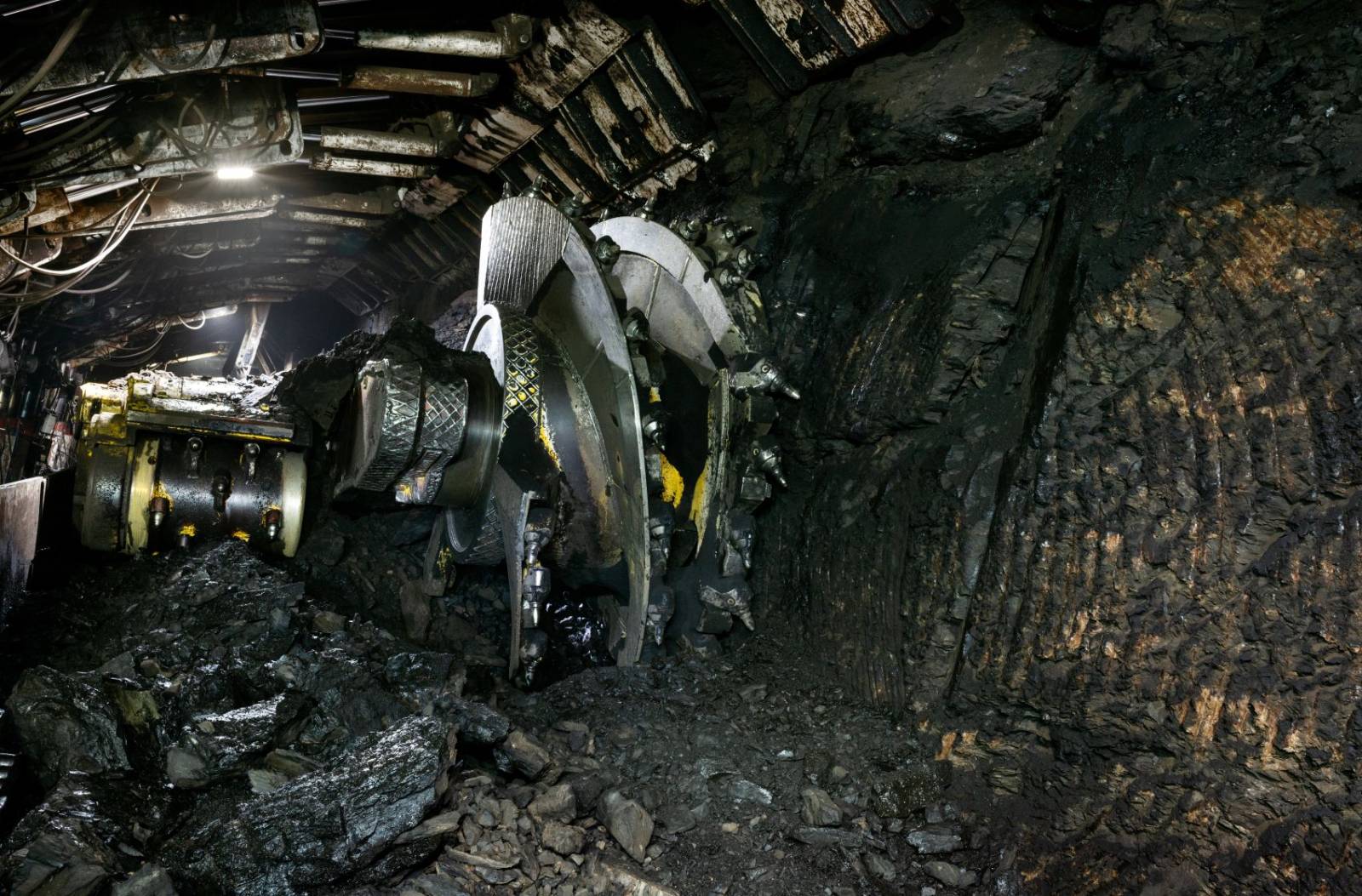
Drilling is one of the fastest entry points into a well-paid mining role with no prior experience. Driller’s offsider positions are regularly filled by new entrants, and several employers run paid traineeships that progress offsiders into qualified drillers over time.
These are the best entry-level drilling and exploration roles in mine sites:
Role | What the work involves | Tickets required | Salary |
Driller’s assistant | Assisting the lead driller on exploration or production rigs, handling equipment, rods and samples | ||
Driller | Operating a drill rig for blast hole or exploration operations | Certificate III in Drilling Oil and Gas (RII32020) | |
Field assistant | Supporting geologists and field teams during exploration programs and collecting samples | ||
Shotfirer | Charging and firing blast holes to break ore and waste rock on surface or underground operations | Shotfiring licence (state-specific) |
Lifting and crane support roles
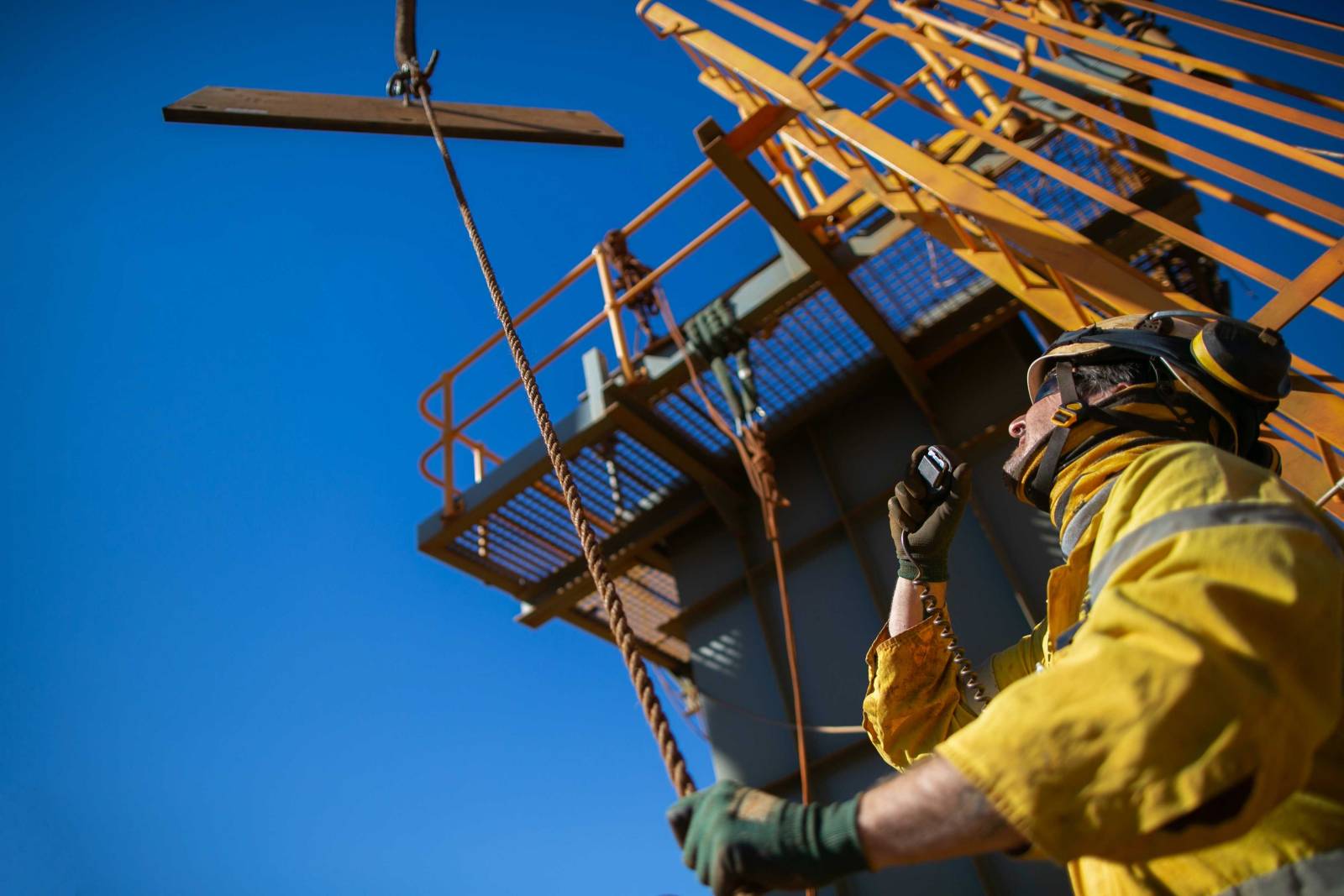
Dogman and riggers are in charge of safely moving heavy loads on mine sites. Dogman select and attach lifting gear to loads and direct crane operators during the lift, particularly when the load moves out of the operator’s line of sight. Riggers take that a step further, assembling and dismantling structures and installing hoists.
You need your dogging licence before you can enrol in basic rigging, so the pathway into this category has a clear starting point. Civil Safety delivers dogging and both the basic and intermediate rigging licences, and we run them back to back so you can complete the full pathway in one combined 7-day course.
These are the roles and salaries you could have in lifting and crane operations:
Role | What the work involves | Tickets required | Salary |
Dogman | Selecting and inspecting lifting gear, slinging loads, and directing crane operators during shifts | ||
Rigger | Rigging and de-rigging structures, installing hoists and controlling loads using specialised rigging equipment | Dogging licence (CPCCLDG3001) and basic rigging licence (CPCCLRG3001) | |
Crane operator | Operating mobile or static cranes to lift and move heavy loads on site | ||
Offsider | Assisting operators and tradespeople on site with equipment and materials |
Site services and logistics roles
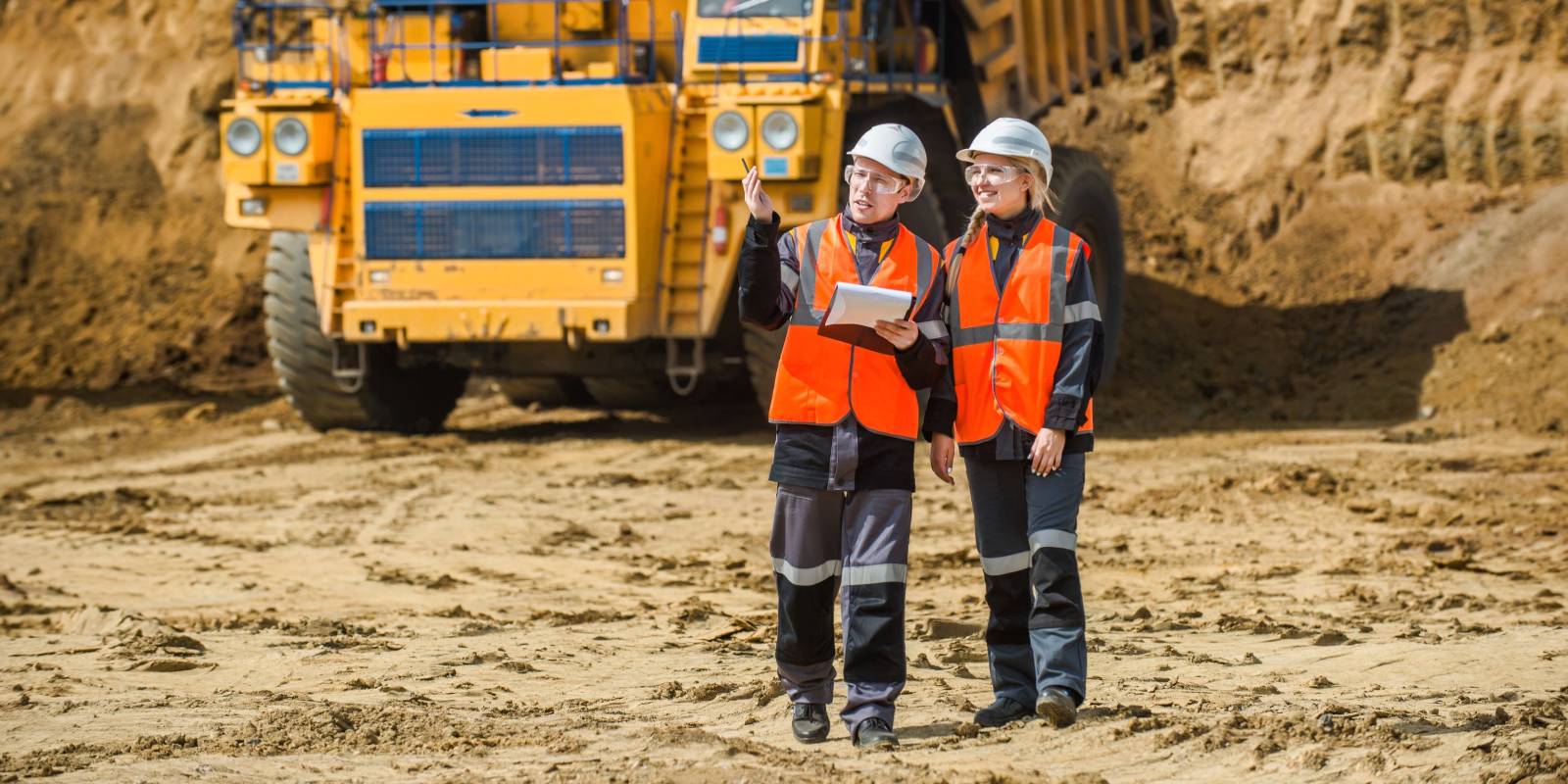
These are the easiest entry-level jobs in the mines to get into. Most require little beyond your site access certification, which makes them the most realistic starting point for candidates with no industry background at all. They put you on site, building the hours and familiarity that opens doors to higher-paying roles.
These are the easiest mining jobs you can get with no experience:
Role | What the work involves | Tickets required | Salary |
Labourer | General site work including maintenance and supporting other crews on site | None beyond site inductions | |
Trade assistant | Working with diesel fitters or electricians to maintain heavy plant and equipment on site | Confined Spaces (RIIWHS202E) and Working at Heights (RIIWHS204E) | |
Serviceperson | Maintaining site infrastructure like pumps, conveyors, pipelines and ventilation equipment in the mine | Confined Spaces (RIIWHS202E) and Working at Heights (RIIWHS204E) | |
Leading hand | Supervising a small crew on site and coordinating daily tasks | First Aid & CPR, relevant safety tickets for the role |
What do entry-level mining jobs pay in QLD and WA?
The average yearly salary for miners in Australia is between $105,000 and $125,000. That’s a strong baseline for an industry where many entry-level roles don’t require a trade background or prior experience, just the right tickets before you apply.
FIFO roles tend to pay more than equivalent residential positions to compensate for time away from home. On top of the base salary, most FIFO packages include free accommodation, meals and flights to site. If you’re on a 14 days on, 14 days off roster, you spend half the year on site where your biggest expenses are covered. A lot of FIFO workers are able to stack up their savings quickly because there’s not much to spend money on between shifts.
The role you start in makes a big difference to where your pay starts from day one. A general labourer and a dump truck operator can be working on the same site, but the operator could be earning considerably more. Underground roles pay a premium on top of surface rates to reflect the conditions and the additional induction requirements.
The quickest way to move up the pay scale once you’re on site is to add tickets. Each machinery licence or safety qualification you hold expands the range of tasks you can be assigned to, and employers pay more for workers they can deploy in multiple roles without additional training on their end.
The biggest earning jump of all comes from supervisory qualifications. Moving into a leading hand or supervisor role on a QLD or WA mine site adds to your annual package, and those positions are regularly filled from within. We offer the G189 Mining Supervisor course for QLD and the Statutory Mining Supervisors course for WA at our training centres to help you move up the chain.
How to make yourself hireable with no experience
Most entry-level mining roles in QLD and WA don’t require a CV full of industry experience. Here’s what can get you hired even if you’ve never set foot in a mining site before:
Get your site access certification first: Standard 11 if you’re targeting QLD mine sites. You’ll complete an online theory module first, then come in for 1 day of face-to-face training.
Stack two or three safety tickets on top of that: Working at Heights, Confined Spaces, and First Aid & CPR are the three employers see most often on job ads.
Add a machinery or trade support licence: A water cart or haul truck ticket puts you in a higher pay bracket and gives you the opportunity to apply to many more roles.
Register with labour hire agencies early: They fill a large proportion of entry-level mining roles in QLD and WA and will tell you exactly what their clients are looking for right now.
Start your mining career with Civil Safety
The roles and salaries in this guide are accessible to anyone willing to get the right tickets before they apply. Most of the entry points covered here don’t require a trade background or prior mining experience.
We deliver everything you need to get started in the lucrative mines of Queensland and Western Australia in just a few days or weeks. Our training centres offer flexible scheduling, including evenings and weekends, to suit your schedule. Contact Civil Safety today to book your first course.