
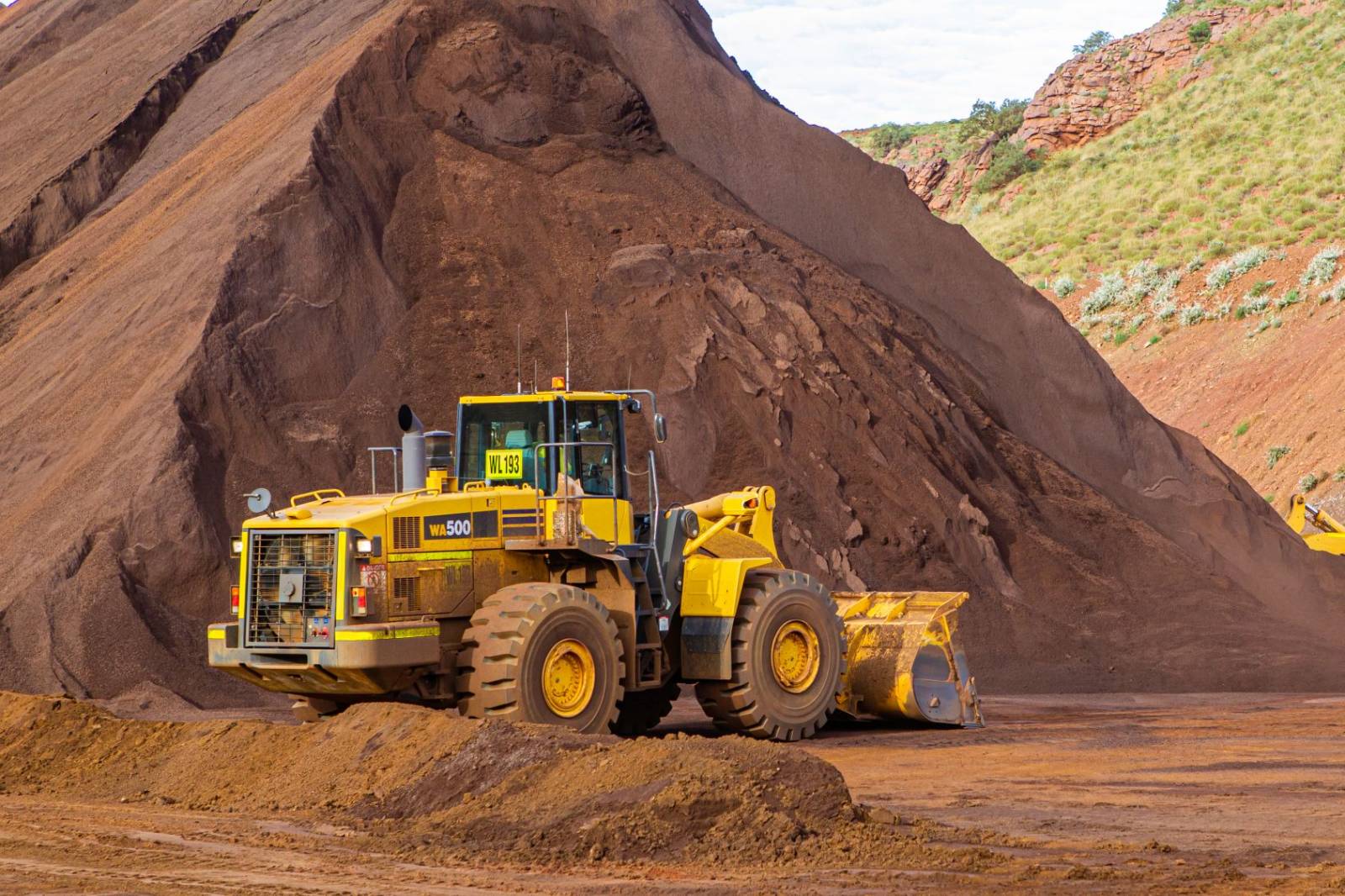
If you’re looking at getting into mining, Queensland and Western Australia are where the vast majority of Australian mining work is concentrated. The two states account for more than three-quarters of the national mining workforce, and the bulk of entry-level job opportunities are in those states. If you’re serious about getting into mining, this is where you focus.
A trade background or experience in construction (civil or residential) can help, but it’s not a prerequisite. The right certifications, stacked in the right order, are what get you through the door. This guide covers exactly how to get a job in the mines, from your first site induction, through to the tickets and qualifications that make you highly employable.
What mining employers actually look for
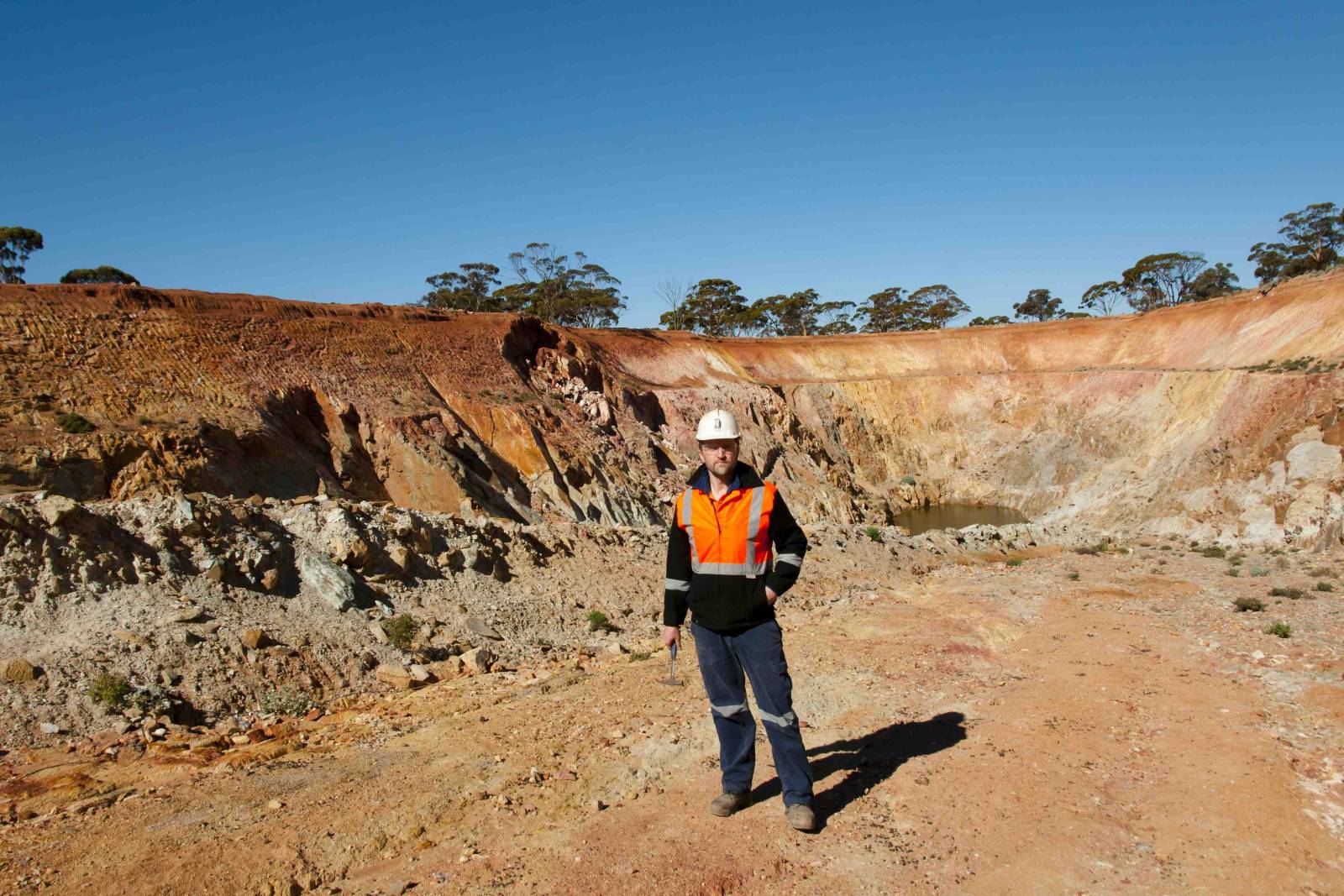
Getting into mining without a trade background or related industry experience is more achievable than most people expect. The assumption that you need to come from construction, civil, manufacturing or a related field before anyone will look at your résumé puts a lot of people off applying at all.
Queensland and WA employers aren’t waiting for the perfect candidate. Mining is facing one of the most acute skills shortages of any Australian industry, with shortage rates that more than doubled between 2021 and 2022, and remained high well into 2024. The industry needs people, and they need them now.
What employers across both states do expect, before they’ll look twice at your application, is the right certifications. Mine sites run on compliance. Every person on site needs specific tickets just to be there legally, and every task beyond basic labouring requires additional qualifications on top of that.
Labour hire agencies and direct employers shortlist candidates who already hold those tickets because it means they can put you to work without carrying extra onboarding costs. The steps below cover which certifications to get and in what order.
Step 1: Get your site access certification
Every mine site in Queensland and WA requires a state-specific induction before you set foot on site. No employer will progress your application without one, so this is where the process begins.
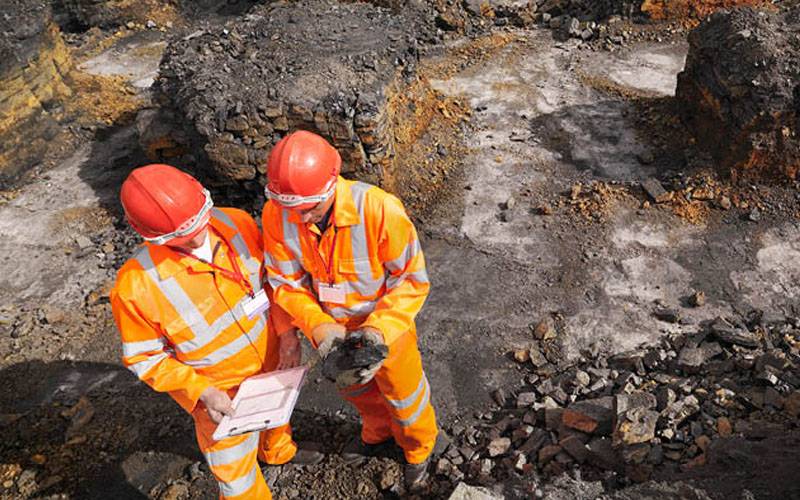
Queensland: Standard 11 mining induction
Queensland is Australia’s largest coal-producing state, with more than 224 million tonnes extracted from 59 active mines in the 12 months to May 2025. To get a job in any of these Queensland mines, you’ll need your Standard 11 mining induction.
Standard 11 covers surface operations for open-cut and above-ground coal and metaliferous mine sites. There’s also a separate Standard 11 underground induction you’ll need on top of that if you want to work underground. Standard 11 is QLD-specific and won’t transfer to mining sites in other states.
For BMA employees and contractors, Civil Safety is an exclusive provider of the BMA Core Induction, offered in Brisbane, Mackay, Moranbah, and Rockhampton. This induction is required in addition to your Standard 11 to work on a BHP Mitsubishi Alliance operation.The BMA Core Induction course is available exclusively to BMA employees and contractors and provides the essential knowledge and understanding required to work safely, responsibly, and in full compliance across all BMA operations. As a core component of BMA’s onboarding process, this induction is mandatory for anyone accessing a BMA site.
Western Australia: site access requirements
WA’s mining industry hit 135,978 on-site full-time equivalent positions in 2024, a historic high for the state. Unlike Queensland, WA doesn’t have a single state-mandated induction equivalent to Standard 11.
Workers undertaking construction-related work on a WA mine site need to get a White Card first. Beyond that, individual mine operators run their own site-specific inductions before you start work. These vary between companies and sites, so the induction you complete for one employer won’t necessarily satisfy the requirements of another.
Step 2: Stack your safety tickets
Your site induction gets you on site, but what gets you hired is showing an employer they can put you to work on multiple tasks without extra onboarding on their end.
Mining employment in Australia grew by more than 110,000 workers between 2015 and 2023. Over that same period, completions of national mining safety and operations training packages dropped by 59%. A candidate with three or four tickets on top of their induction will get a recruiter’s attention in no time.
These are the four most relevant safety tickets for mining workers:
Work Safely at Heights (RIIWHS204E): Shows up on nearly every mining job in QLD and WA because elevated work is a constant in maintenance and structural tasks on site.
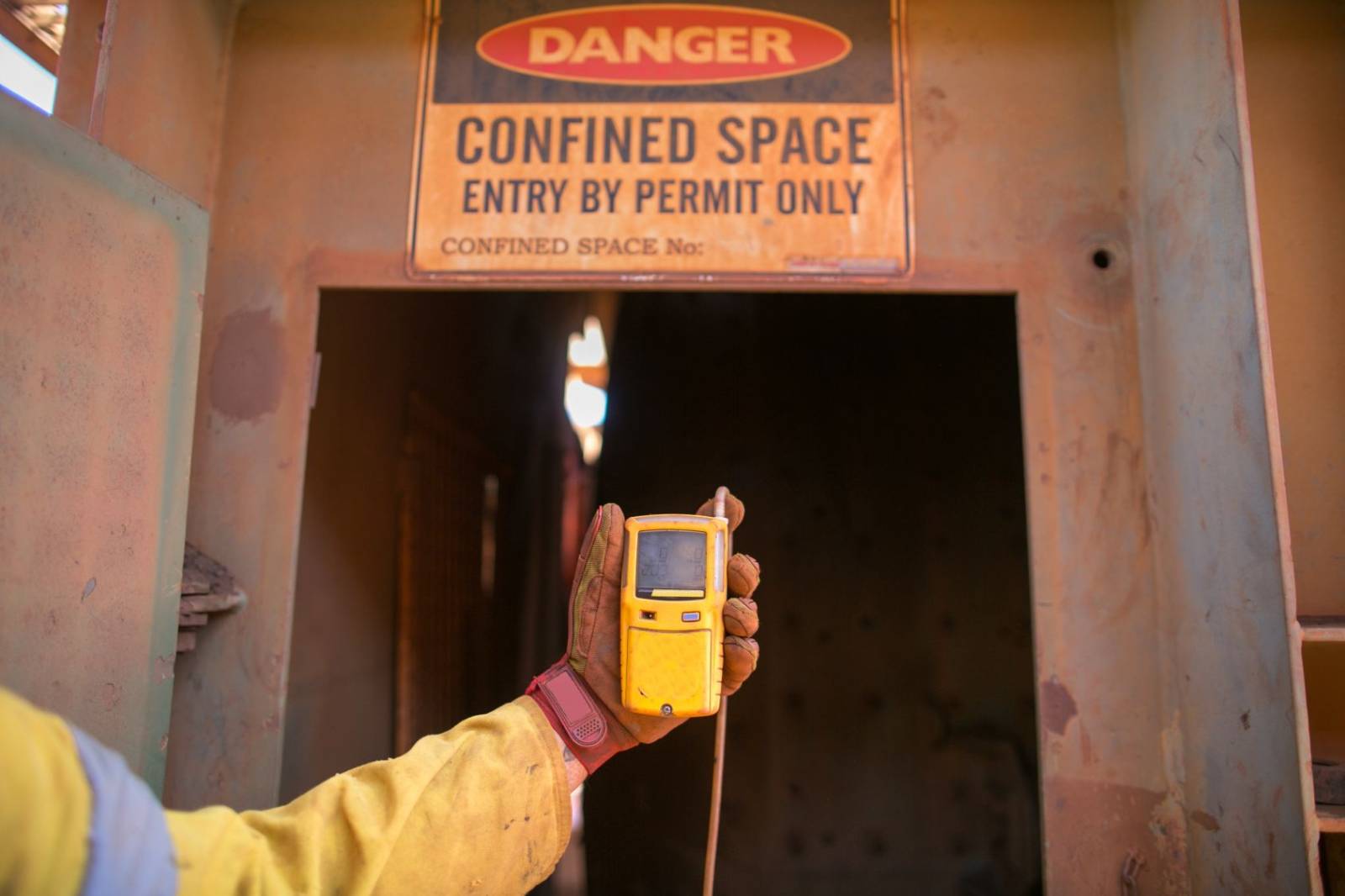
Enter and Work in Confined Spaces (RIIWHS202E): Tanks, shafts, and pipe runs are common on mine sites and legally off-limits to anyone without this certification.
Gas Test Atmospheres (MSMWHS217): Employers want this paired with Confined Spaces because it covers atmospheric monitoring before anyone enters a high-risk enclosed area.
First Aid and CPR: Expected on-site regardless of your role. It’s one of the quickest tickets to get, and employers notice when it’s missing.
All four courses are nationally recognised, and Civil Safety delivers them at all our training centres in Queensland and Western Australia.
Step 3: Add a machinery or trade support ticket
Getting a machinery or trade support ticket is where your daily rate starts to reflect the work you’re doing on-site. There are two pathways worth considering depending on your background:
The operator pathway
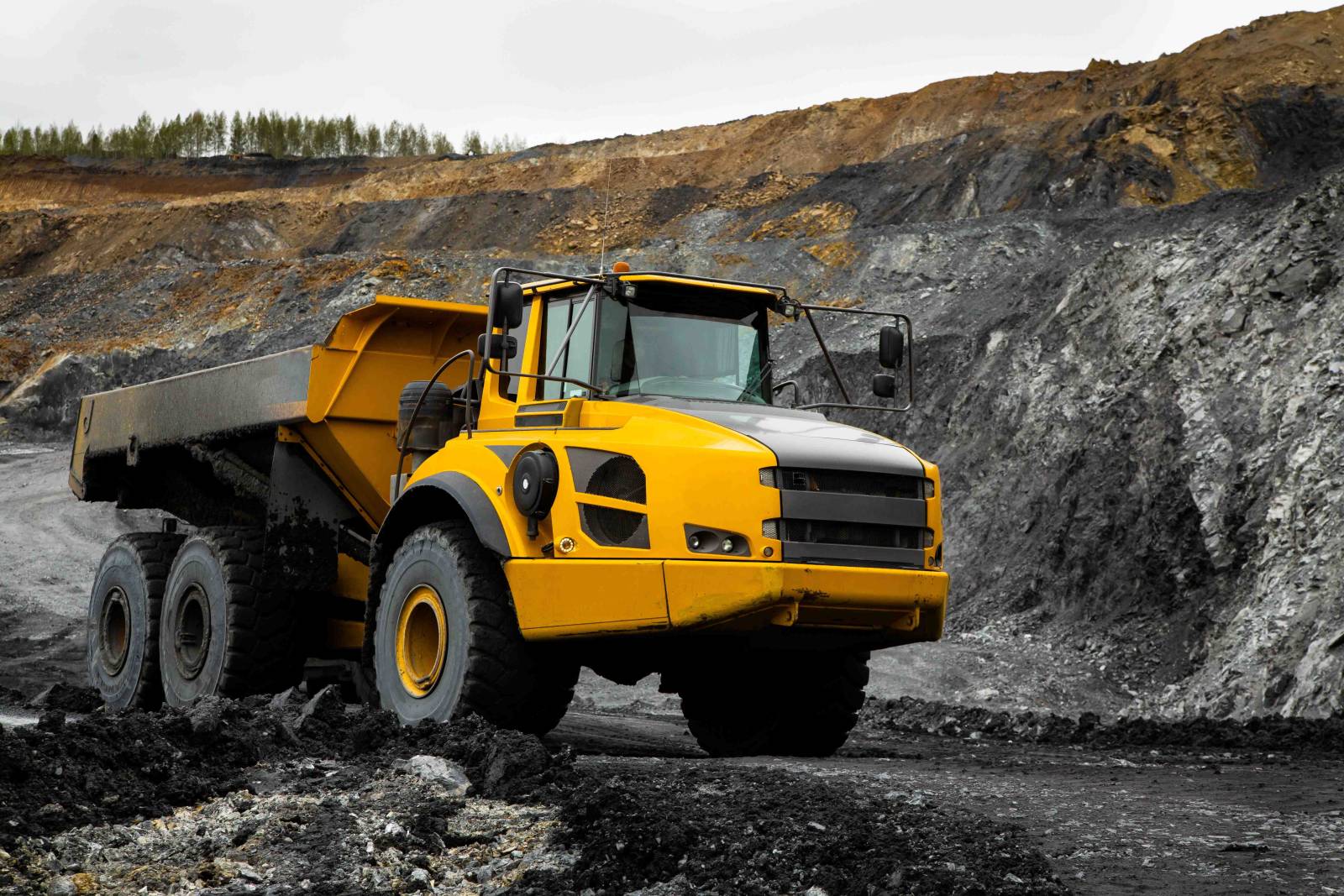
Most new operators start on the water cart (RIIMPO326E). It’s the lowest barrier to entry for plant work and gives you the hours and site familiarity to progress to larger machinery.
From there, most operators progress to the haul truck. The Articulated haul truck (RIIMPO337E) is the most common entry-level role across mine sites in Queensland and Western Australia. If you prefer warehouse and logistics work over heavy plant, adding a forklift licence (LF) is a smart move.
The trade support pathway
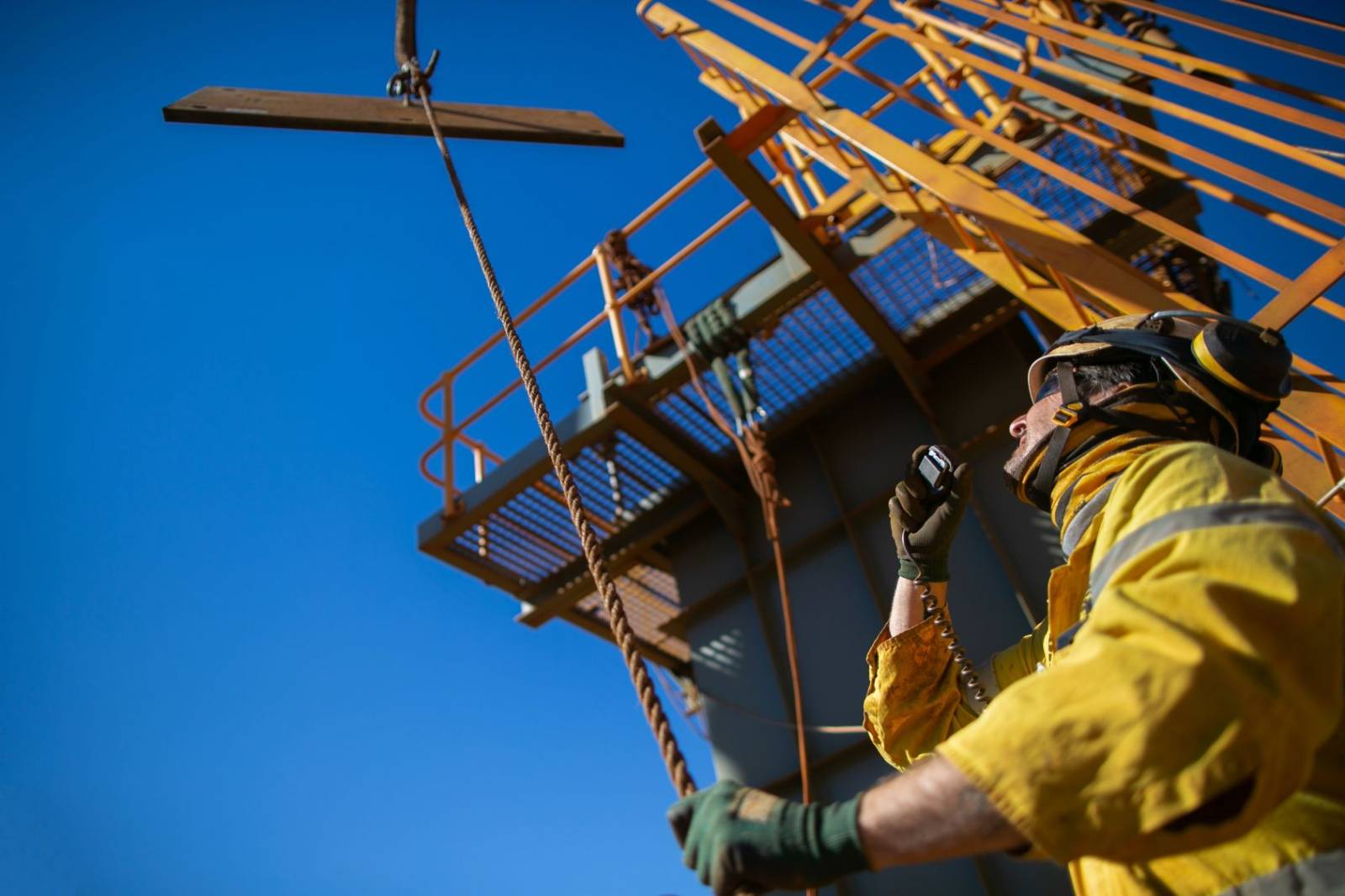
The trade support pathway suits candidates with a physical background who want to work with cranes and heavy lift operations. The starting point is dogging, which requires a high-risk work licence. Once you hold your dogging licence, you can progress to basic rigging and then intermediate rigging.
Metal ore mining alone employs 128,600 workers in Australia, with drillers, miners and shot firers making up the single largest occupational group in the entire industry. Trade support roles feed directly into that workforce.
Example roles these tickets unlock
With steps 1 to 3 covered, these are the roles realistically within reach:
Haul truck operator: This is the most common entry-level plant role in QLD and WA mine sites. They operate articulated or rigid dump trucks in open-cut operations.
Water cart operator: You’ll drive a water cart around the site, suppressing dust on haul roads and work areas. Most sites run water carts around the clock, so you’ll have consistent shifts.
Trade assistant: You’ll work with diesel fitters or electricians on site to help them maintain and repair the heavy plant and equipment that keeps the mine running.
Driller’s offsider: They assist a lead driller during blast hole or exploration drilling operations, handling equipment, rods and samples throughout the shift. It’s one of the better-paid entry positions available to candidates with no prior mining experience.
Forklift operator: Parts, tools, consumables, and equipment move constantly through a mine site’s warehouse and logistics operation. This role puts you in charge of keeping that supply chain running for the crews on site.
For a full breakdown of what these roles pay, see our entry-level mining jobs guide.
Step 4: Apply the right way
Most mining jobs in QLD and WA are filled through labour hire agencies rather than direct employer applications. Applying directly to mining companies is worth doing, but getting registered with agencies that specialise in mining and civil recruitment will get your résumé in front of more hiring managers faster.
Before you apply for anything, decide whether you’re open to FIFO work or looking for residential roles only. This isn’t a minor preference and is a major decision, especially for those with families and children. Many of the higher-paying positions in WA’s Pilbara and Queensland’s Bowen Basin are fly-in-fly-out, and sites that run FIFO rosters sometimes won’t consider residential applicants. Knowing what you want narrows your search and stops you from wasting applications.
Be ready for the process to take time. Drug and alcohol screening is standard before you start and continues throughout employment. Operator roles also involve a physical fitness assessment. Competition for entry-level positions is real, especially in metropolitan areas.
Your ticket profile can help you land a job much faster. A candidate with a Standard 11, two or three safety tickets, and a machinery licence means fewer onboarding costs and less risk. Employers love that.
Step 5: Level up once you're in
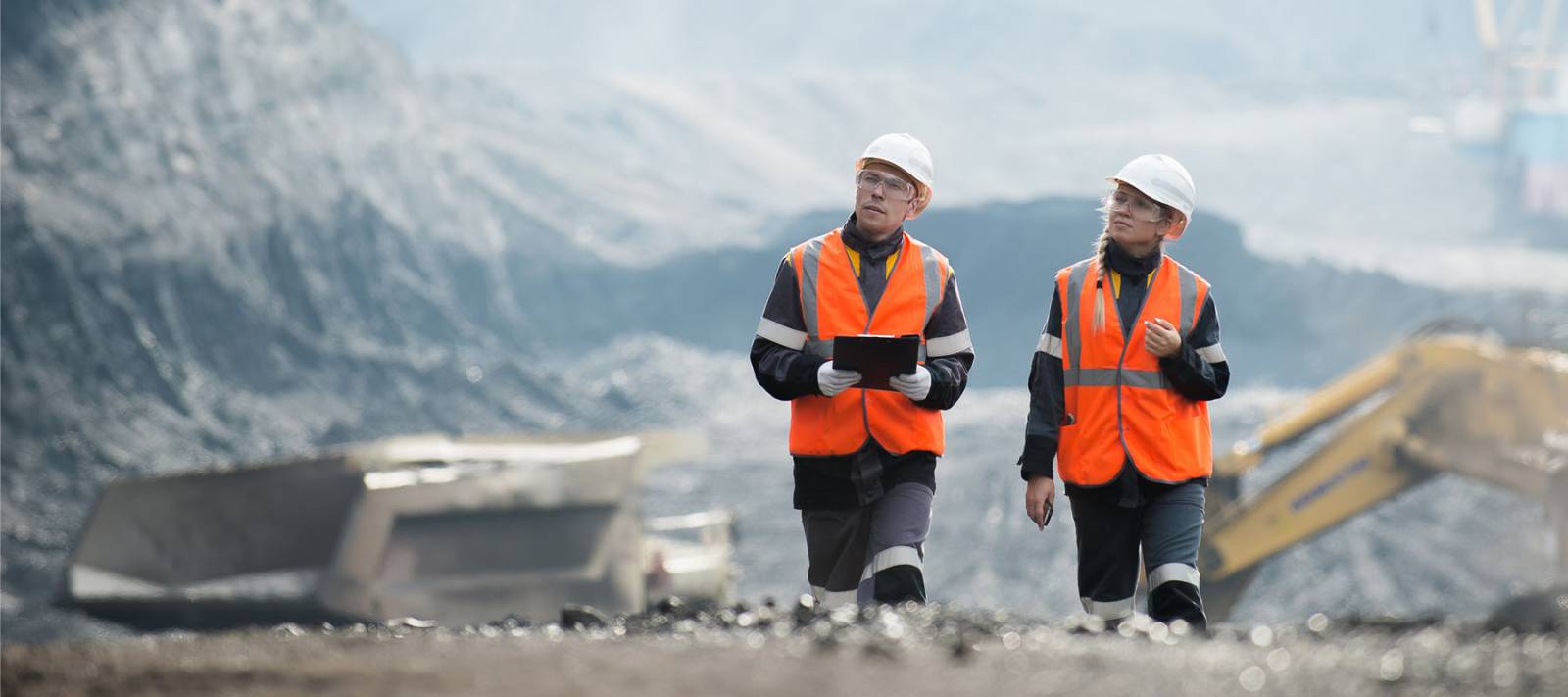
Once you’ve got your first job in the mines, the next question is where the role goes from here. These are the best certifications to move on to more advanced roles in the mines:
Certification | What it covers | Who it’s for | Where it applies |
Establishing and maintaining risk management systems on-site | Senior workers and managers moving toward mine management roles | Nationally recognised | |
Establishing and maintaining WHS management systems | Senior workers and managers moving toward mine management roles | Nationally recognised | |
Supervisory responsibilities under QLD coal and mining legislation | Anyone moving into a supervisory role on a mine site | Nationally recognised (mandatory in QLD) | |
Statutory supervisor requirements under WA mining legislation | Workers in WA moving into statutory supervisor positions | WA only |
G3 and G7 are prerequisites for the Queensland Site Senior Executive exam, which makes them the natural next step for anyone with management ambitions. Once you’re in a supervisory position, the G189 Mining Supervisor certification is mandatory for anyone leading a team on a mine site in Queensland.
In WA, the equivalent requirement is the Schedule 26 Statutory Mining Supervisors Course, which has its own unit requirements. In addition, you need a minimum of two (2) years experience as a supervisor or worker in mining, civil, or construction operations. Our Statutory Supervisors S26 course covers the two required Units of Competency; however, statutory supervisors must also pass the separate legislation exam, which is administered by the Department of Energy, Mines, Industry Regulation and Safety (DEMIRS). Full details on the examination and eligibility process can be found on the DEMIRS website.
We deliver all four mining supervisor courses at our Queensland and Western Australia training centres.
Start your mining career with Civil Safety
The pathway into mining in Queensland and WA is very clear when you work through it in the right order. A site induction gets you on site, safety tickets make you deployable, and a machinery or trade support licence unlocks the roles worth applying for.
We deliver everything covered in this guide across our extensive network of Queensland and Western Australia training centres, with flexible scheduling including most weekdays, evenings, weekends and at your own site. Most candidates can have a work-ready ticket profile within a few days or weeks depending on what courses you undertake.
Contact Civil Safety today to book your first course and take the first step toward a mining career.
Frequently asked questions
No. Most entry-level roles don’t require prior mining experience. What employers look for is the right certifications and attitude. A site induction, a couple of safety tickets, and a machinery licence will put your application ahead of most.
A Standard 11 induction takes one or two days. Safety tickets like Work Safely at Heights and Confined Spaces are typically completed in a day each. Machinery and other courses like rigging and dogging take anywhere from 3-5 days. You can have a solid ticket profile ready within a few weeks.
Some tickets are nationally recognised and transfer directly, including your safety and machinery licences. Your site induction does not. Standard 11 is QLD only and S26 is WA only, so you’ll need the relevant induction for whichever state you’re working in.