
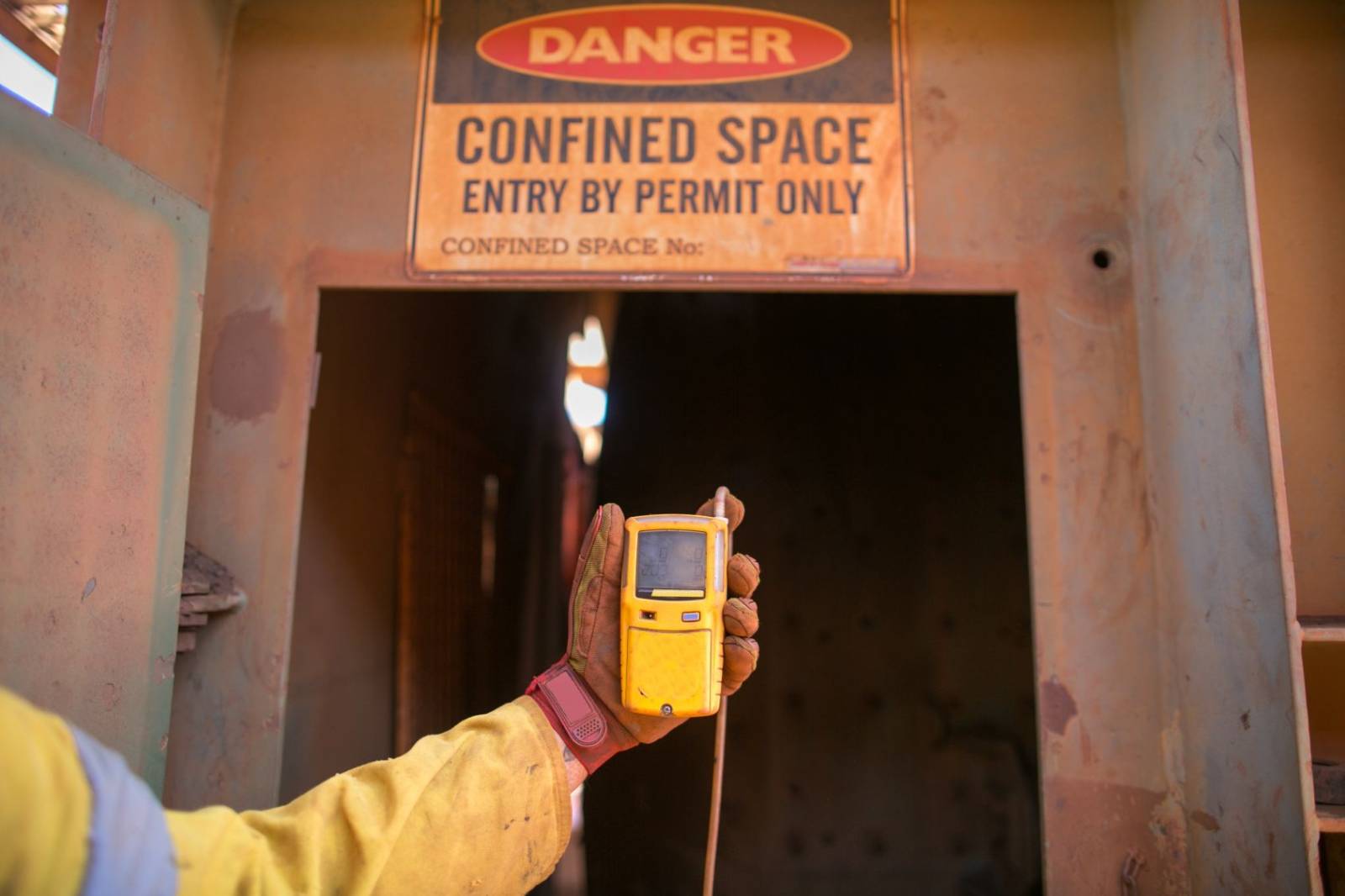
Detect Gas Hazards with Confidence and Keep Your Workplace Safe
The Gas Test Atmospheres (MSMWHS217) course gives you the knowledge and practical skills to safely test, monitor, and interpret atmospheric conditions in the workplace. You’ll learn how to identify hazards, assess gas levels, and take the right steps to keep yourself and others safe.
This nationally recognised qualification is essential for workers in industries such as mining, construction, oil and gas, and utilities, where testing for hazardous atmospheres is a critical safety requirement.
This course is delivered through a flexible blend of online learning and face-to-face training, allowing you to complete the theory online before putting your knowledge into practice with hands-on training from our experienced trainers.
Prefer an in-person learning experience? You can complete the entire Gas Test Atmospheres course face-to-face at one of our training facilities.
Course Delivery
Blended
Step 1 - Complete online theory module (within 30 days)
Step 2 - Book in and attend 1 day of practical training
Nationally Recognised

Locations
Multiple training centres across Queensland and Western Australia, or we can come to your location.
Course Fee
Fees vary depending on location (see table below)
Afterpay available

Funding
CSQ and CTF Funding available (see below)
Course Delivery
Blended
Step 1 - Complete online theory module (within 30 days)
Step 2 - Book in and attend 1 day of practical training
Nationally Recognised
Locations
Multiple training centres across Queensland and Western Australia, or we can come to your location.
Course Fee
Fees vary depending on location (see table below)
Afterpay available
Funding
CSQ and CTF Funding available (see below)
Gas Test Atmospheres (MSMWHS217) - Course Information
The Gas Test Atmospheres course provides you with the practical knowledge and hands-on experience to safely test and monitor gas atmospheres in the workplace. You’ll learn about:
Legislation & Compliance: Understand WHS, workplace requirements, and legal obligations for gas testing.
Hazard Identification: Recognise hazardous gases, oxygen-deficient atmospheres, and other environmental risks.
Gas Detection Equipment: Learn about different types of gas detectors, sensors, and monitoring devices.
Pre-Use Checks & Calibration: Inspect, calibrate, and maintain gas testing equipment for accurate readings.
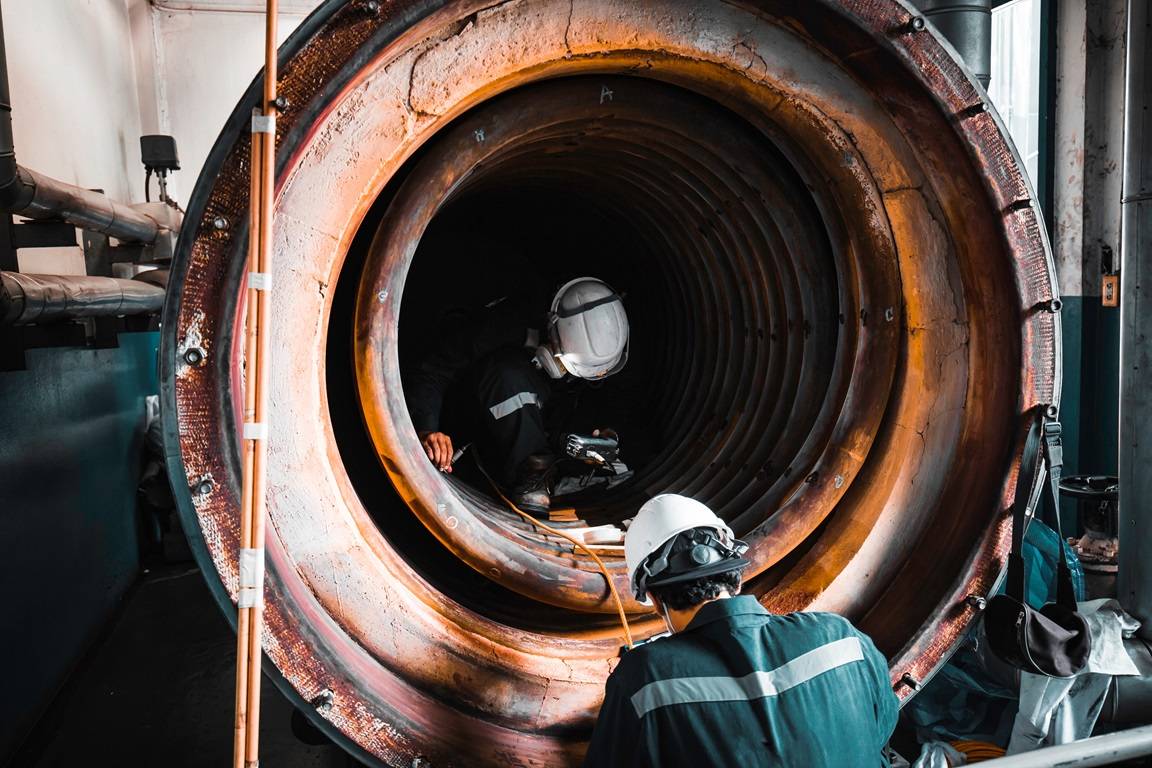
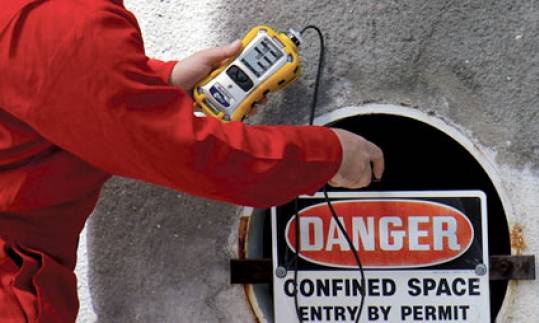
Testing Procedures: Conduct gas tests in confined spaces, tunnels, and other high-risk environments.
Interpreting Results: Analyse readings to determine safe work conditions and identify immediate hazards.
Control Measures & Safety Planning: Implement control measures to minimise risks associated with hazardous atmospheres.
Emergency Response: Respond effectively to hazardous gas detection and atmospheric incidents.
Communication & Reporting: Record and report gas test results in line with workplace procedures.
By the end of the course, you’ll be confident in your ability to identify potential hazards, complete gas testing safely, and ensure that work environments are safe for entry and operations.
Course Delivery and Assessment
In order to provide you with the best learning outcomes possible, this course is delivered via a mix of online learning and face-to-face training. You will be assigned an experienced Trainer Assessor for support throughout your course.
Step 1 - Complete online theory (within 30 days)
The online modules are self-paced and include assessments (quizzes, written tasks, or short exercises) to ensure understanding.
Step 2 - Attend 1 day face-to-face training (appx 4-6 hours)
Your trainer will give you practical tasks to complete based on the information you’ve learned in your online theory module.
You will need to pass both steps in order to successfully complete the course.
Who Should Complete This Course?
This course is designed for workers who are required to enter or work around confined or restricted spaces as part of their job. It’s ideal for people working in industries such as:
Construction & Civil Works: tradespeople, labourers, site supervisors
Mining & Resources: operators, maintenance crews, contractors
Utilities & Infrastructure: water, gas, and power industry workers
Manufacturing & Maintenance: technicians, plant operators, cleaners
Emergency Services & Contractors: anyone involved in hazardous atmosphere monitoring or confined space support
Whether you’re starting a new role, upskilling for compliance, or refreshing your current qualification, this course ensures you can safely and confidently perform gas testing and maintain a compliant workplace.
Course Outcome
Upon successful completion of this course, you will be awarded a nationally recognised Statement of Attainment for:
MSMWHS217 - Gas Test Atmospheres
This certification is nationally recognised under the Australian Qualifications Framework (AQF) and can support applications for higher roles in safety and compliance.
Career Pathways
Construction: Excavator operators, civil construction workers, site supervisors, and plant operators.
Resources: Mining operators, earthmoving crews, and extractive industry workers.
Infrastructure: Roadworks, utilities, and public works teams, including water, gas, and power industry staff.
Maintenance: Plant and machinery operators, service technicians, and facility maintenance personnel.
Specialised Roles: Trenching specialists, safety officers, and site inspection or quality control personnel.
Entry Requirements
There are no formal entry requirements for this course, however students will need:
Basic computer skills and internet access (for enrolment and online modules)
Adequate language, literacy, and numeracy (LLN) skills to complete assessments, and;
A valid Unique Student Identifier (USI) - mandatory for all nationally recognised training. If you don't already have a USI, you can apply for one online at www.usi.gov.au or we can apply for one for you.
Support When You Need It
Throughout the duration of your course, you can access experienced industry professionals and support staff to guide you through the program. Our trainers are dedicated to helping you succeed and will be available to answer your questions and provide feedback on your progress. They will provide you with the guidance and support you need to fully understand the course material, as well as offer suggestions for further learning opportunities.
Funding is Available For this Course

Construction Skills Queensland
Eligible workers, employers, and job seekers in Queensland's building and construction industry can save up to 75-100% on courses, including, short courses, units of competency, and Certificate of Diploma qualifications. CSQ provides substantial funding, with a small student co-contribution usually required.
Construction Training Fund WA
Eligible apprentices, trainees, workers and business owners in WA's building and construction industry can save up to 70% on metro courses and 80% on regional courses with CTF funding. As an approved provider, we can handle the paperwork and claim process for you, so you only pay the gap while you upskill, get licences, and complete safety courses.
"The hands-on training gave me the confidence to use gas detection equipment correctly. I now feel prepared to identify hazards and ensure the workplace is safe."
Upcoming Courses
Loading courses...
Showing - of courses Showing of courses
No courses found matching your filters.
No courses available at this time. Check back soon!
$
-
-
-
-
spaces available
No courses found matching your filters.
No courses available at this time. Check back soon!
- ...
Can't see a date or location that suits?
Some courses run at more locations on request, or as group training for your workplace. Tell us where you are and we will come back with dates.
Course FAQs
Fees vary depending on location - you can view specific location fees in the table above.
Yes - you may be eligible for either Construction Skills Queensland (CSQ QLD) or Construction Training Fund (CTF WA) subsidies for this course.
There are no formal entry requirements; however, students will need:
Basic computer skills and internet access (for enrolment and communication)
Sufficient language, literacy, and numeracy (LLN) skills to complete assessments
A valid Unique Student Identifier (USI) – mandatory for all nationally recognised training. If you don’t have one, you can apply at usi.gov.au or we can assist.
Your Statement of Attainment is typically issued within 3-5 business days after you successfully complete all assessments and all required enrolment, USI and payment requirements are satisfied.
Our friendly support team is here to help. Contact us for course advice, enrolment support, or guidance during your training.
1300 248 457 or email info@civilsafety.edu.au
Related Courses
Have Questions?
Our friendly support team is here to help. Whether you need course advice, enrolment support, or guidance during your training, we’re only a call or message away.

Speak with Our Team
Call us now and we'll connect you with the right training specialist for your needs.
Call 1300 248 457
Send Us an Enquiry
Fill out a quick form and we'll get back to you with the information you need.