
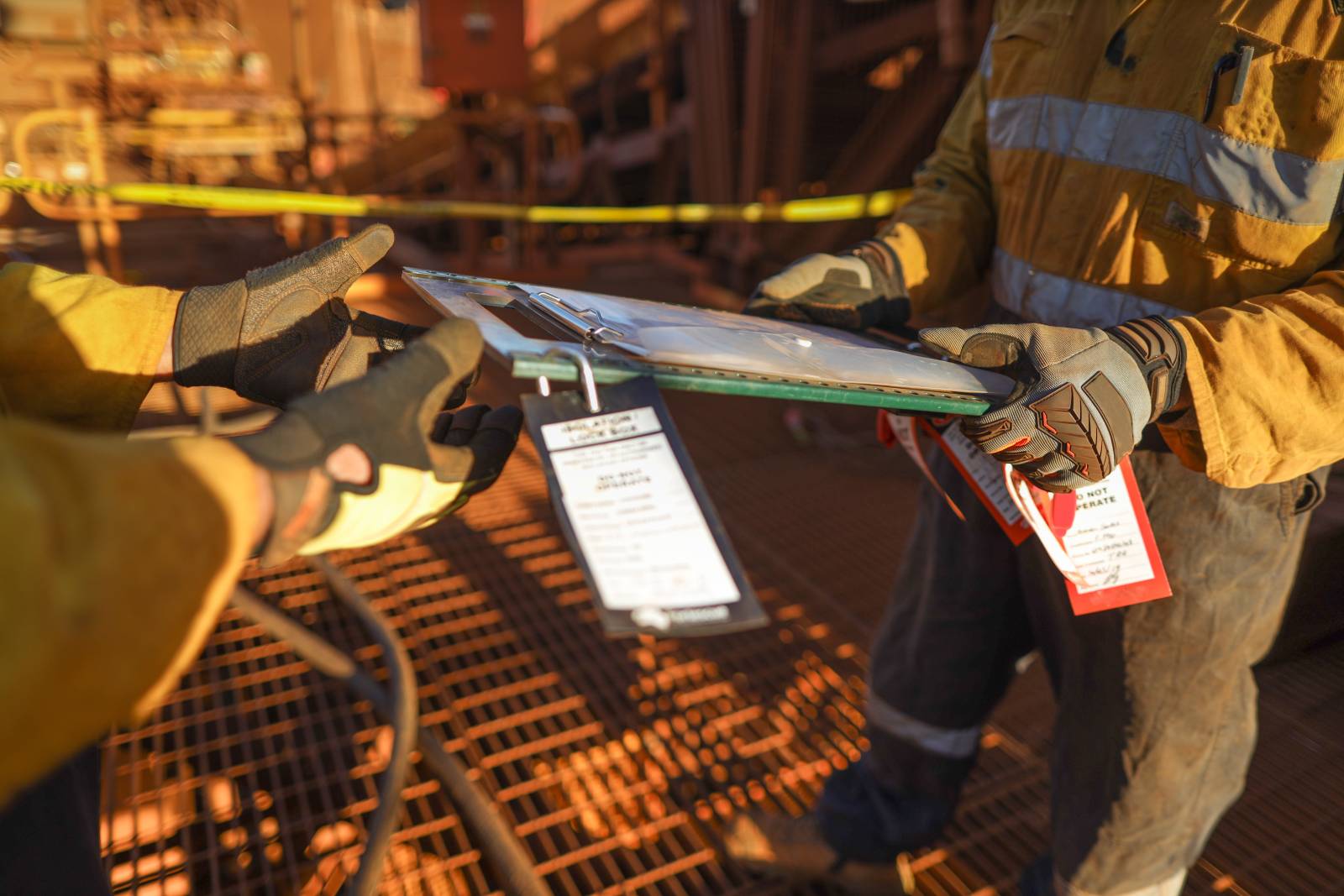
High Risk Work Refresher Training
High Risk Work (HRW) involves operating equipment and performing tasks that can present significant risks to workers and others. Maintaining your skills, knowledge and competency is an important part of working safely.
While a High Risk Work Licence (HRWL) is generally valid for five years, the licence expiry period should not be confused with refresher training requirements. Refresher training may be recommended or required more frequently, depending on the type of work, applicable Codes of Practice, workplace risks, employer requirements and site-specific conditions.
For example, Queensland's Mobile Crane Code of Practice 2024 recommends refresher training for crane operators, doggers and riggers, with the interval between refresher training courses not exceeding three years. It recommends undertaking refresher training between 2½ and 3 years after obtaining the relevant licence or completing previous refresher training, whichever is the shorter period.
How often should I undertake refresher training?
There is no single refresher training timeframe that applies to every type of High Risk Work.
The appropriate frequency can depend on:
The type of High Risk Work you perform.
How frequently you perform the work.
Your experience and previous training.
The equipment and machinery you operate.
Changes to equipment, technology or operating procedures.
Workplace hazards and conditions.
Applicable Codes of Practice and industry requirements.
Your employer's training and competency requirements.
Site-specific requirements.
Some types of High Risk Work have specific guidance or requirements around refresher training. Always check the requirements that apply to your particular licence, work and workplace rather than relying solely on the five-year HRWL renewal period.
Mobile crane refresher training in Queensland
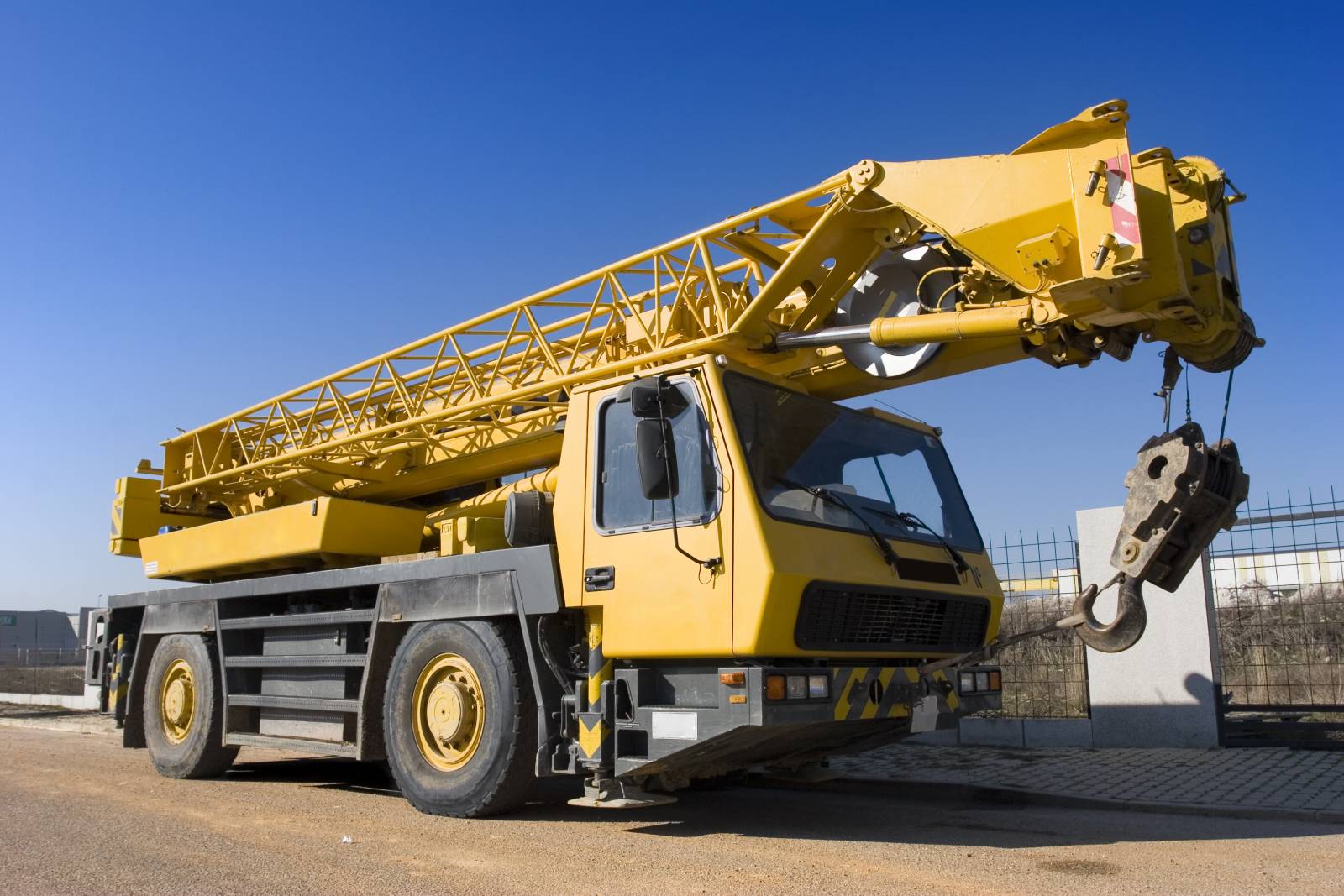
Mobile Crane Refresher
If you work as a mobile crane operator, dogger or rigger in Queensland, the Mobile Crane Code of Practice 2024 contains specific guidance on refresher training.
The Code states that PCBUs should ensure crane crew members receive refresher training to help maintain the competencies originally achieved for their relevant High Risk Work licence class and keep their knowledge up to date with current industry practices and innovations.
The Code recommends that:
Refresher training is provided on an ongoing basis.
The interval between refresher training courses should not exceed three years.
Crane operators, doggers and riggers should undertake refresher training between 2 1⁄2 and 3 years after obtaining their initial licence or completing their previous refresher training, whichever is the shorter timeframe.
Refresher training should address relevant changes to technology, legislation, Australian Standards and safe crane operation.
These refresher training provisions apply to mobile cranes and plant used as mobile cranes, including equipment such as excavators when they are used as a mobile crane.
Your experience and frequency of work matter
Even where a specific refresher timeframe does not apply, how often you perform High Risk Work is an important consideration.
Someone who operates high-risk equipment every day may have different training needs from someone who performs the work only occasionally. Workers who have not continuously performed a particular class of High Risk Work may benefit from refresher training to rebuild skills and confidence.
Refresher training can also be appropriate when returning to work after an extended break or when a worker's competency needs to be reviewed.
Workplace risks can influence refresher training
Changes to the work environment, equipment, tasks or hazards may create a need for additional training or competency assessment.
For example, refresher training may be appropriate when:
New equipment or attachments have been introduced.
Operating procedures have changed.
Workplace conditions or hazards have changed.
Workers are exposed to different or increased risks.
An incident or near miss identifies a potential training need.
New technology or equipment has been introduced.
A worker has not performed the task for an extended period.
Employers and site operators should consider the risks associated with the work when determining whether additional training or competency development is required.
Employer and site requirements
Employers, principal contractors and individual worksites may have their own training and competency requirements.
Some companies or sites may require workers to complete refresher training or competency assessments at specified intervals, regardless of the worker's experience or how frequently they perform the task.
These requirements may also differ between sites. If you work across multiple workplaces or for different employers, check the applicable site and company requirements before commencing High Risk Work.
Refresher training and HRW licence renewal are different
It is important to understand that refresher training and High Risk Work Licence renewal are two separate things.
A High Risk Work Licence is generally valid for five years in Queensland and Western Australia. Licence holders are responsible for renewing their licence before it expires and maintaining their competency.
Queensland - Renew a High Risk Work Licence
Western Australia - Renew a High Risk Work Licence
Completing refresher training does not replace the requirement to renew your HRW licence.
Likewise, renewing your licence does not necessarily mean that refresher training is unnecessary. Your licence may remain current while your employer, site, industry or applicable Code of Practice requires you to complete refresher training.
Why is refresher training important?
High Risk Work requires workers to understand equipment, operating procedures, hazards and control measures. Skills and confidence can be affected when work is performed infrequently, while equipment, technology, procedures and workplace conditions can change.
Refresher training can help workers:
Maintain practical skills and confidence.
Reinforce safe operating practices.
Identify and manage workplace hazards.
Stay familiar with equipment and controls.
Keep up to date with changes to procedures, technology and industry practices.
Identify areas where additional training may be beneficial.
Meet employer and site-specific requirements.
When should you refresh your skills?
When considering whether refresher training is appropriate, ask:
How often do you perform the work?
If you rarely perform the task, refresher training may help maintain your skills and confidence.
Have the equipment or procedures changed?
New equipment, controls, attachments, technology or procedures may require additional training.
Have the workplace risks changed?
Changes to hazards, work conditions or tasks may create a need for additional training or competency assessment.
What does your employer or site require?
Always follow workplace-specific training and competency requirements.
Does a Code of Practice or industry requirement specify a refresher timeframe?
Some types of High Risk Work have specific guidance around refresher training. For example, the Queensland Mobile Crane Code of Practice 2024 recommends refresher training for crane operators, doggers and riggers at intervals not exceeding three years.
Are you confident and competent?
If you are unsure about your ability to safely perform a task, refresher training may be appropriate.
Stay competent. Stay current. Stay safe.
Maintaining competency is an ongoing responsibility. Your High Risk Work Licence may be valid for five years, but that does not mean you should wait five years before reviewing or refreshing your skills.
The appropriate refresher training frequency depends on the type of High Risk Work, applicable regulations and Codes of Practice, your experience, how frequently you perform the work, workplace risks, equipment and your employer or site requirements.
For mobile crane operators, doggers and riggers in Queensland, the Mobile Crane Code of Practice 2024 recommends refresher training at intervals not exceeding three years, with training recommended between 2 1⁄2 and 3 years.
If you are unsure whether refresher training is appropriate for your role, speak with your employer, site representative or a qualified training provider to discuss the requirements that apply to your work.
Civil Safety can help you maintain the skills, knowledge and confidence you need to perform High Risk Work safely and competently.