
FIFO (Fly-In, Fly-Out) work is a popular career option in Australia, particularly across the mining, resources, construction and energy industries. FIFO jobs can offer competitive salaries, structured rosters and the opportunity to work on major projects in regional and remote areas.
But getting your first FIFO job can be challenging if you don't know where to start.
The good news is that you don't necessarily need years of mining experience to get started. Having the right qualifications, licences, safety training and a strong understanding of what employers are looking for can help you stand out when applying for FIFO positions.
In this guide, we'll explain how FIFO work operates, what training and tickets you may need, and how you can improve your chances of landing your first FIFO job in Australia.
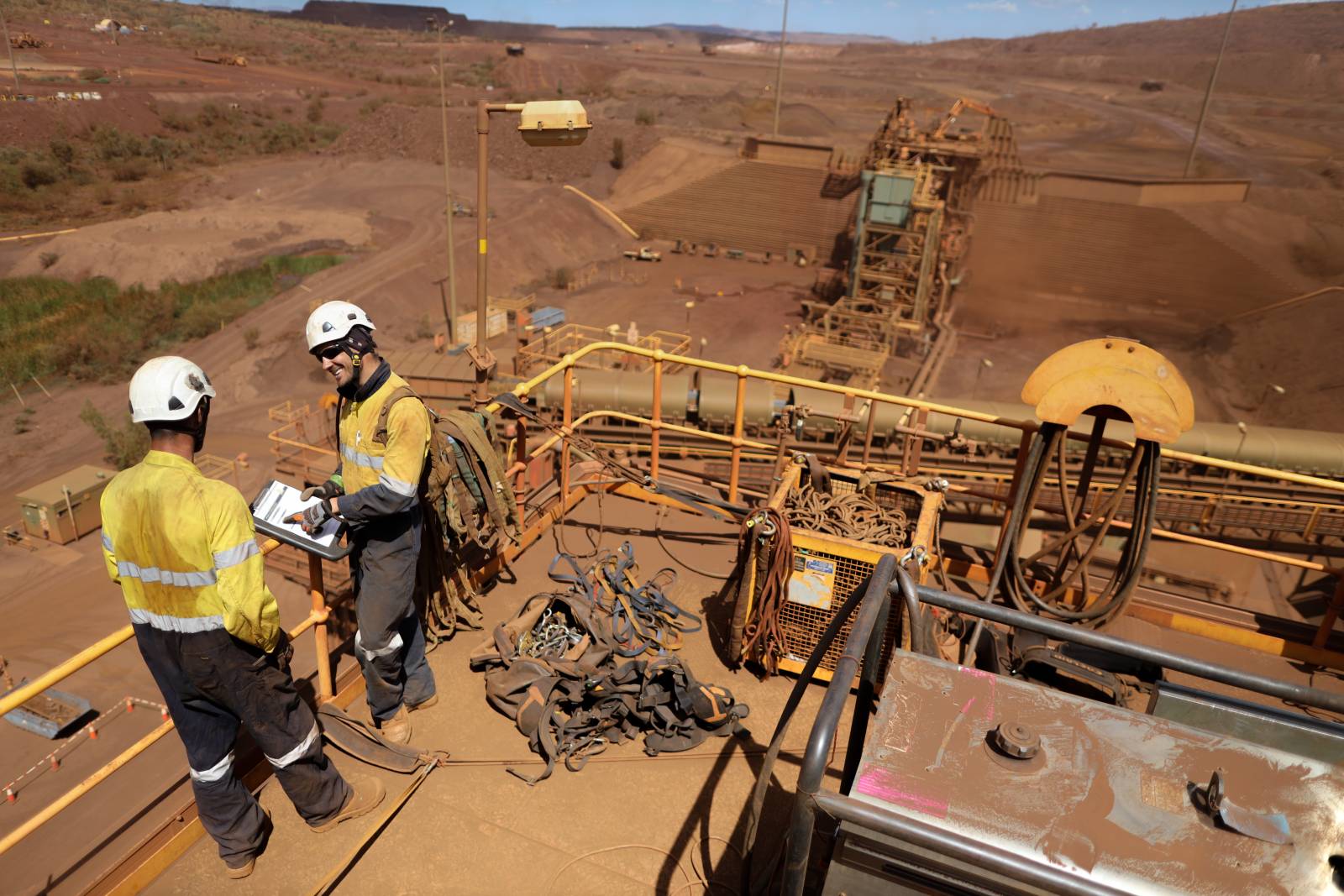
FIFO workers
What Is FIFO Work?
FIFO stands for Fly-In, Fly-Out. FIFO workers are transported from their home location to a remote worksite, where they stay for a set period before returning home for their time off.
FIFO is common in:
Mining and resources
Civil construction
Oil and gas
Energy and infrastructure
Maintenance and shutdown projects
Engineering
Hospitality and camp services
Health and safety
Plant and machinery operations
FIFO rosters vary between employers and projects. Depending on the job, you may work rosters such as 8 days on and 6 days off, 2 weeks on and 1 week off, or other arrangements.
Because FIFO sites can be remote, employers generally place a strong emphasis on safety, competency and reliability.
What Do You Need to Get a FIFO Job?
There is no single qualification that guarantees you a FIFO job.
The training and licences you need will depend on the position you're applying for. For example, a heavy machinery operator will have different requirements from a tradesperson, dump truck operator, drill fitter or entry-level site worker.
However, there are several things that can make you a stronger candidate.
1. Relevant Industry Experience
Experience is highly valued by FIFO employers.
If you're already working in construction, civil works, mining, transport, maintenance or another related industry, your existing experience may help you transition into FIFO work.
If you don't have mining experience, look for opportunities to build relevant skills locally. Civil construction, plant operation, warehousing, logistics and shutdown work can all help you develop experience that may be useful when applying for FIFO positions.
Don't assume you need to start with a mining job. Building relevant experience and qualifications outside mining can be a useful pathway into the resources sector.
2. The Right Tickets and Licences
Depending on the job, employers may look for specific licences or nationally recognised units of competency.
Some commonly requested tickets and training include:
White Card
A general construction induction card may be required if your role involves construction work. Requirements can vary depending on the work and jurisdiction.
High Risk Work Licences
Some FIFO positions involve high-risk plant or equipment. Depending on the role, you may need a High Risk Work Licence (HRWL), such as a licence for:
Forklifts
EWP operation
Cranes
Rigging
Dogging
Scaffolding
The licence you need depends on the type of equipment or work you will perform.
Mobile Plant Training
Mining and civil construction employers regularly recruit workers to operate mobile plant and heavy machinery.
Depending on the position, useful training may include:
Excavator
Loader
Dozer
Grader
Roller
Skid steer
Articulated haul truck
Rigid haul truck
Water truck
Other specialised mobile plant
Having nationally recognised training relevant to the role can help demonstrate that you have the skills required to safely operate equipment.
Working at Heights
Working at heights training may be required for positions where workers perform tasks at height or where the employer identifies it as a site requirement.
Confined Spaces
Confined space training may be required for maintenance, construction, shutdown and industrial roles involving confined spaces.
Gas Test Atmospheres
Atmospheric gas test training can be particularly relevant to roles involving confined spaces and hazardous environments.
These courses are not required for every FIFO position, so it's important to check the job advertisement and employer requirements before completing additional training.
3. Mining Induction and Site Requirements
Mining companies often have specific induction and training requirements before workers can access or perform work on their sites.
For example, Queensland mining operations have requirements around worker induction, training and competency. Queensland legislation requires mine workers to receive appropriate induction training and, where necessary, training and assessment for the processes, materials and plant associated with their duties.
This means completing a general course does not necessarily mean you can immediately start work on a particular mine site.
You may also need to complete:
Company inductions
Site-specific inductions
Task-specific training
Competency assessments
Safety training
Medical assessments
Drug and alcohol screening
Other employer or project requirements
Site inductions are designed to make sure workers understand the hazards, procedures, emergency arrangements and other safety requirements relevant to the workplace.
What About Standard 11?
If you're looking to work on a Queensland coal mine site, you'll need to understand the role of Standard 11.
Standard 11 is a key safety training requirement for people working in Queensland coal mining and is commonly required before you can enter a Queensland coal mine site to work. It covers essential health and safety knowledge for working in the coal mining environment.
For many mining jobs, having your Standard 11 training completed is an essential first step before you can set foot on site and commence work. Employers may also require additional site-specific inductions and other tickets or competencies depending on the role.
Requirements can vary between employers and individual mine sites, so always check the current job advertisement and employer requirements before enrolling.
4. Get Your Resume FIFO-Ready
Having the right tickets is only part of getting a FIFO job.
Your resume should make it easy for a recruiter or employer to see your experience, qualifications and availability.
Make sure your resume clearly lists:
Relevant work experience
Qualifications
High Risk Work Licences
Plant and machinery competencies
Safety training
Construction or mining experience
Driver's licence
Relevant tickets and certificates
Referees
Current location
FIFO availability
If you have multiple tickets, don't simply list them at the bottom of your resume. Highlight the qualifications that are most relevant to the position you're applying for.
For example, if you're applying for a plant operator position, make your relevant machinery experience and competencies easy to find.
5. Have a Suitable Driver's Licence
A driver's licence can be an important requirement for many FIFO positions, particularly roles that involve travelling between work areas or operating site vehicles.
Depending on the role, employers may ask for:
A current Australian driver's licence
An unrestricted licence
A specific class of licence
Experience driving particular vehicles
Heavy vehicle licences may also be valuable if you're interested in transport, haulage or heavy vehicle roles.
6. Be Prepared for Medical and Pre-Employment Checks
FIFO employers may require workers to complete pre-employment checks before starting work.
Depending on the employer and role, this may include:
Pre-employment medical
Drug and alcohol screening
Functional capacity assessment
Hearing or vision checks
Site-specific health assessments
Requirements vary between companies and positions, so don't assume that every FIFO job has exactly the same process.
7. Understand What FIFO Employers Look For
Employers aren't only looking for people with tickets.
FIFO work requires workers to be reliable, safety-focused and able to work effectively as part of a team.
Employers may look for:
Reliability
FIFO operations depend on workers arriving on time and being ready for their roster.
Safety Awareness
Mining and construction are high-risk industries. Employers need workers who understand the importance of following procedures and working safely.
Communication
Being able to communicate clearly with supervisors, co-workers and other teams is important, particularly in remote and high-risk work environments.
Teamwork
You may be working closely with the same team for extended periods, often in remote locations.
Adaptability
FIFO work can involve long shifts, changing weather conditions, remote locations and different rosters. Being adaptable is important.
How to Get Your First FIFO Job With No Mining Experience
One of the biggest questions people ask is:
"Can I get a FIFO job without mining experience?"
The answer is yes, but it can be more difficult.
Instead of applying only for experienced mining positions, consider entry-level and support roles that can help you gain industry experience.
Depending on your skills and qualifications, opportunities may include:
Trade assistant
Stores or warehouse worker
Labourer
Utility or camp services
Shutdown work
Civil construction
Plant operator
Driller's offsider
Maintenance support
Administration
Hospitality and catering
You can also build your experience by working in civil construction or other related industries before moving into mining.
The key is to develop transferable skills, relevant training and practical experience.
Which FIFO Tickets Should You Get First?
If you're starting from scratch, it can be tempting to complete as many tickets as possible.
However, this isn't always the best strategy.
Instead, look at the jobs you actually want to apply for and identify the qualifications employers are asking for.
For example:
FIFO Career Path | Potential Training or Licences |
Plant Operator | Relevant mobile plant training and experience |
Civil Construction | White Card and relevant construction competencies |
Forklift Operator | Forklift High Risk Work Licence |
EWP Operator | Relevant EWP training and, where applicable, HRWL |
Rigger | Dogging/rigging qualifications and relevant HRWL |
Crane Operator | Relevant crane HRWL |
Shutdown Worker | Role-specific safety and technical training |
Mining Entry-Level | Site/mining induction and employer-specific requirements |
The exact requirements will depend on the position, employer and site.
Rather than collecting tickets without a clear plan, choose training that aligns with the jobs you're targeting.
A Step-by-Step FIFO Job Plan
If you're serious about getting into FIFO work, here's a simple pathway you can follow.
Step 1: Choose the type of FIFO work you want
Decide whether you're interested in:
Mining
Civil construction
Plant operation
Trades
Maintenance
Transport
Shutdowns
Camp services
Health and safety
Other resources-sector roles
Step 2: Search current job advertisements
Look at FIFO jobs currently being advertised and make a list of the qualifications and experience employers are requesting.
This will give you a much clearer idea of which tickets are worth getting.
Step 3: Complete relevant training
Choose nationally recognised training that matches your target roles.
Avoid spending money on qualifications simply because you think they "might" help.
Step 4: Build relevant experience
If you can't get a FIFO position immediately, look for local construction, civil, logistics, plant operation or other relevant work to build experience.
Step 5: Update your resume
Make your experience, licences and training easy for recruiters to find.
Step 6: Apply consistently
FIFO jobs can be competitive. Apply for positions that genuinely match your skills and qualifications rather than waiting for the perfect job.
Step 7: Keep your tickets and skills current
Some training and competencies may require refresher training, verification or ongoing evidence of competency depending on the employer, equipment and site requirements.
Is FIFO Work Right for You?
FIFO work can offer excellent opportunities, but it isn't for everyone.
Before applying, consider whether you're comfortable with:
Working away from home
Long shifts
Remote locations
Fly-in and fly-out travel
Working a roster
Living in shared accommodation
Spending extended periods away from family and friends
Following strict workplace procedures
FIFO workers also need to look after their wellbeing. Western Australia's WorkSafe guidance specifically recognises the importance of managing psychosocial risks and supporting the wellbeing of FIFO workers in resources and construction environments.
Start Your FIFO Career With the Right Training
Getting a FIFO job isn't about having every ticket available. It's about having the right training, relevant experience and a strong understanding of what employers are looking for.
If you're starting your FIFO journey, begin by choosing the type of role you want and researching current job advertisements. From there, identify the qualifications and licences commonly requested for those positions and build your skills step by step.
At Civil Safety, we provide a range of nationally recognised training and industry-focused courses designed to help workers build the skills and qualifications they need for construction, civil and resources-sector careers.
Whether you're looking to gain a High Risk Work Licence, complete construction safety training or develop your plant operating skills, choosing training that matches your career goals can help you take the next step towards FIFO work.
Ready to start your FIFO journey? Explore Civil Safety's training courses and find the right training for your career goals.