
A C2 crane ticket qualifies you to operate slewing mobile cranes with a capacity of up to 20 tonnes. In Queensland and Western Australia, your C2 also covers non-slewing cranes like frannas, which gives you the chance to work on even more tasks.
At Civil Safety (RTO 32381), we deliver the C2 crane course in both states. This guide covers how to get your C2 crane licence and what it costs before looking at what you can earn and where you can work with one.
What is a C2 crane licence?
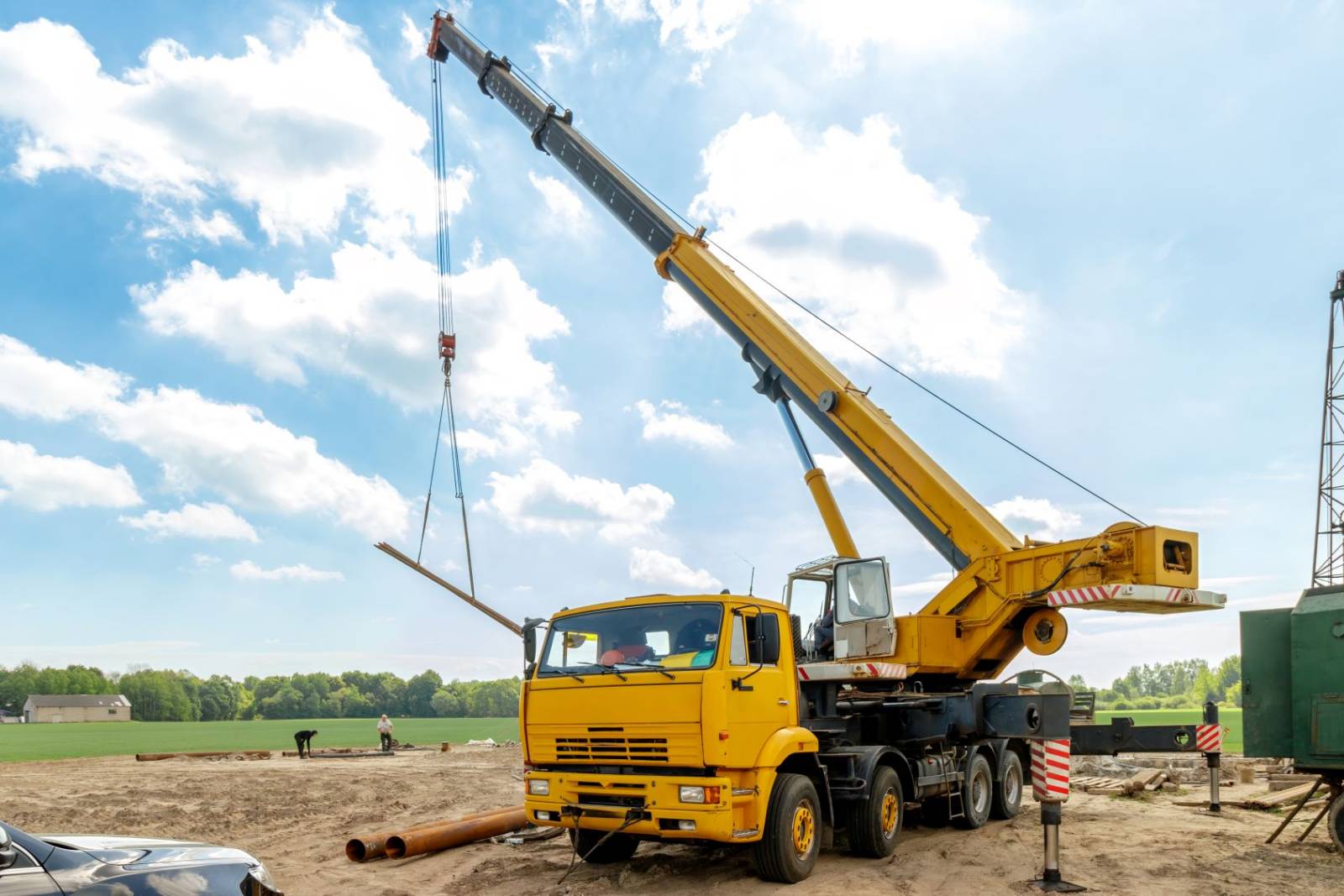
A C2 crane licence lets you operate a slewing mobile crane with a capacity of up to 20 tonnes. Slewing means that the crane can rotate its boom while it holds a load. You can qualify for the licence by completing a Licence to Operate a Slewing Mobile Crane (C2) (TLILIC0022), which is a nationally recognised High Risk Work Licence class. Each state and territory regulates and processes the licence, so requirements might vary.
A franna is a different but related machine. It’s a non-slewing “pick and carry” crane that falls under the CN licence class. A C2 licence also covers CN in Queensland and Western Australia, which means you can operate a franna with your C2 ticket in both states.
Here’s what you’ll learn in the C2 crane course:
How to set up the crane: Your trainer will show you how to inspect the crane before use and set the outriggers on firm ground.
How to read a load chart: Operators use it to work out what the crane can lift safely at each boom length and radius.
How to work with your dogger: Your dogger directs each lift with hand signals or radio calls that you’ll learn to follow.
What to do in an emergency: We’ll walk you through the right response if something goes wrong mid-lift.
How to get your C2 crane ticket
You’ll need to meet a few entry requirements before you can enrol in the C2 crane course:
Age: The course is open to anyone aged 18 or over.
Safety gear: Bring steel-capped boots and PPE to each session.
Reading and maths: Your skills need to be strong enough for the written assessment.
USI: We need your Unique Student Identifier to issue your Statement of Attainment.
Computer skills: You’ll need basic computer skills and internet access.
The C2 crane course itself takes four to five days of face-to-face training that ends with a theory test and a practical assessment on the crane. We’ll issue your Statement of Attainment within 3 to 5 business days of passing both.
Passing your assessment then qualifies you to apply for your High Risk Work Licence. In Queensland, you apply online through WHSQ within 60 days of your practical assessment. In Western Australia, you have 60 days from the issue date of your Notice of Assessment to apply to WorkSafe WA.
How much does a C2 crane licence cost?
The price of our C2 crane course depends on where you train. Upcoming sessions cost $1,800 in Bunbury and $2,385 in Newman, and you can split either fee into instalments with Afterpay.
If you work mainly in WA’s construction industry, you may qualify for Construction Training Fund support. The fund covers up to 70% of the course fee in metro areas and 80% in regional areas, to a maximum of $1,700 per course. We lodge the claim for you and apply the funding to your invoice when you enrol, so you only pay the gap fee. The funding only applies once you complete the course and pass your assessments.
Also budget for your licence fee on top of the course. A new High Risk Work Licence costs $113.41 per class in Queensland and $92 in Western Australia.
What can you earn as a C2 crane operator?
The average crane operator salary in Australia is $110,000 to $130,000 a year, according to SEEK. That range covers crane operator jobs in general because SEEK doesn’t break pay down by licence class. Treat it as a guide to the wider crane market when you consider if getting a C2 is worth it.
Where can a C2 crane licence take you?
You can use a C2 licence in these industries:
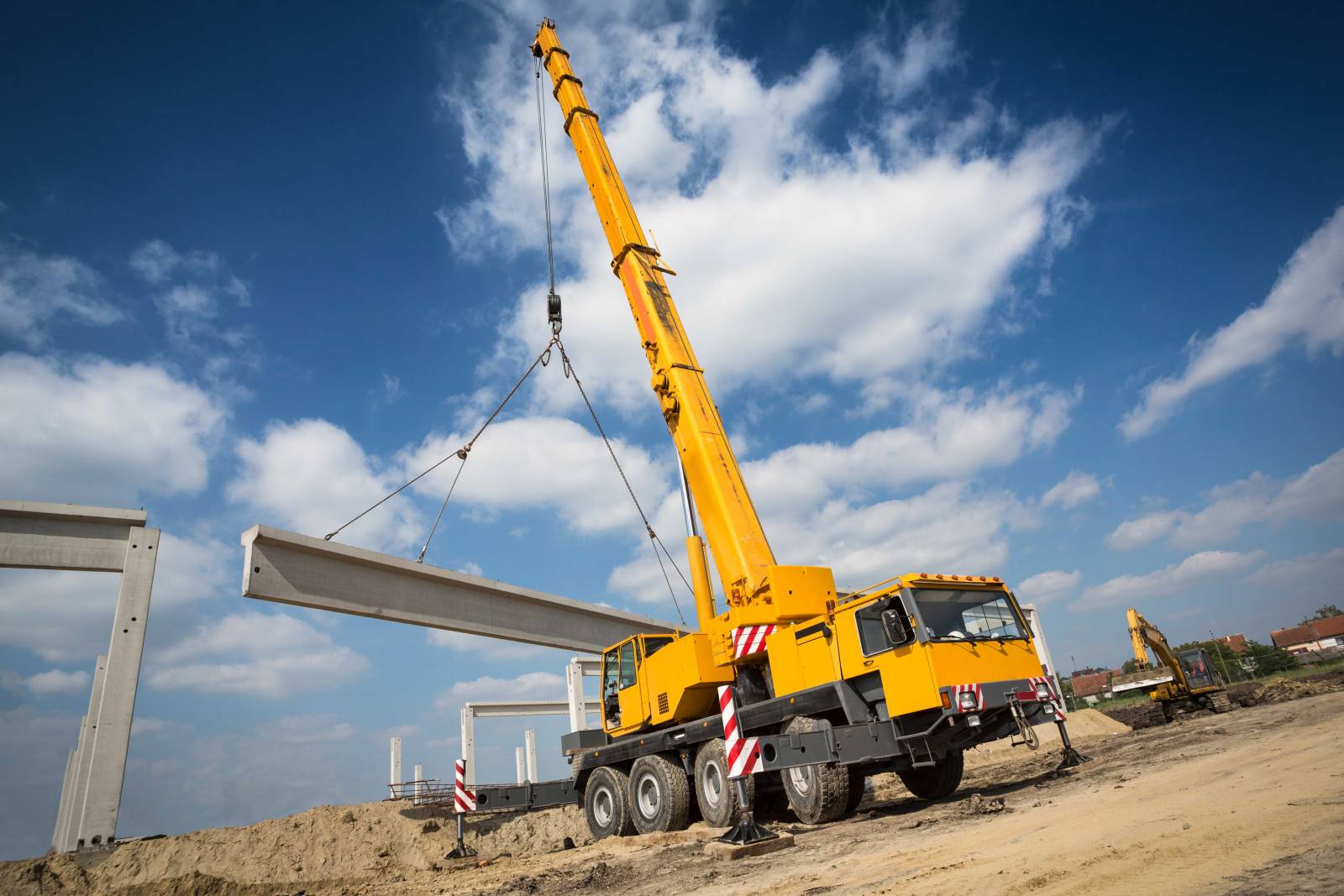
Construction and civil: Builders and civil contractors use mobile cranes to lift steel and precast panels into place. You’ll also need a White Card before you can work on a construction site.
Mining and resources: Mine sites bring in mobile cranes for maintenance lifts on fixed plant and heavy equipment.
Facilities management: Maintenance teams use cranes to move heavy plant around industrial and commercial sites.
Events and entertainment: Production crews lift staging and lighting rigs into position at concerts and festivals.
C2 is the smallest of the slewing crane licence classes, so you can move up as you gain experience. The next step is a C6 licence for cranes up to 60 tonnes. From there, you can progress to a C1 for cranes up to 100 tonnes and a CO for anything over 100 tonnes.
Get your C2 crane licence with Civil Safety
You can complete our C2 crane course with just four or five days of face-to-face training at our centres in Queensland and Western Australia. We can also deliver it on-site if you need to train your entire team. Contact us to book your spot or browse our full range of crane courses if you’re looking for a higher class.
Frequently Asked Questions
There’s no separate franna licence. A franna falls under the CN class, which your C2 covers in Queensland and Western Australia.
Our C2 crane course takes 4 to 5 days of face-to-face training.
Your licence lasts five years. In Western Australia, you can renew it up to 3 months before or 12 months after it expires. Queensland will send a renewal notice 4 to 6 weeks before it expires.
If you complete the course in Western Australia, the cost of processing your high risk work licence application is included in the course price. In Queensland, a separate $160 processing fee applies.