
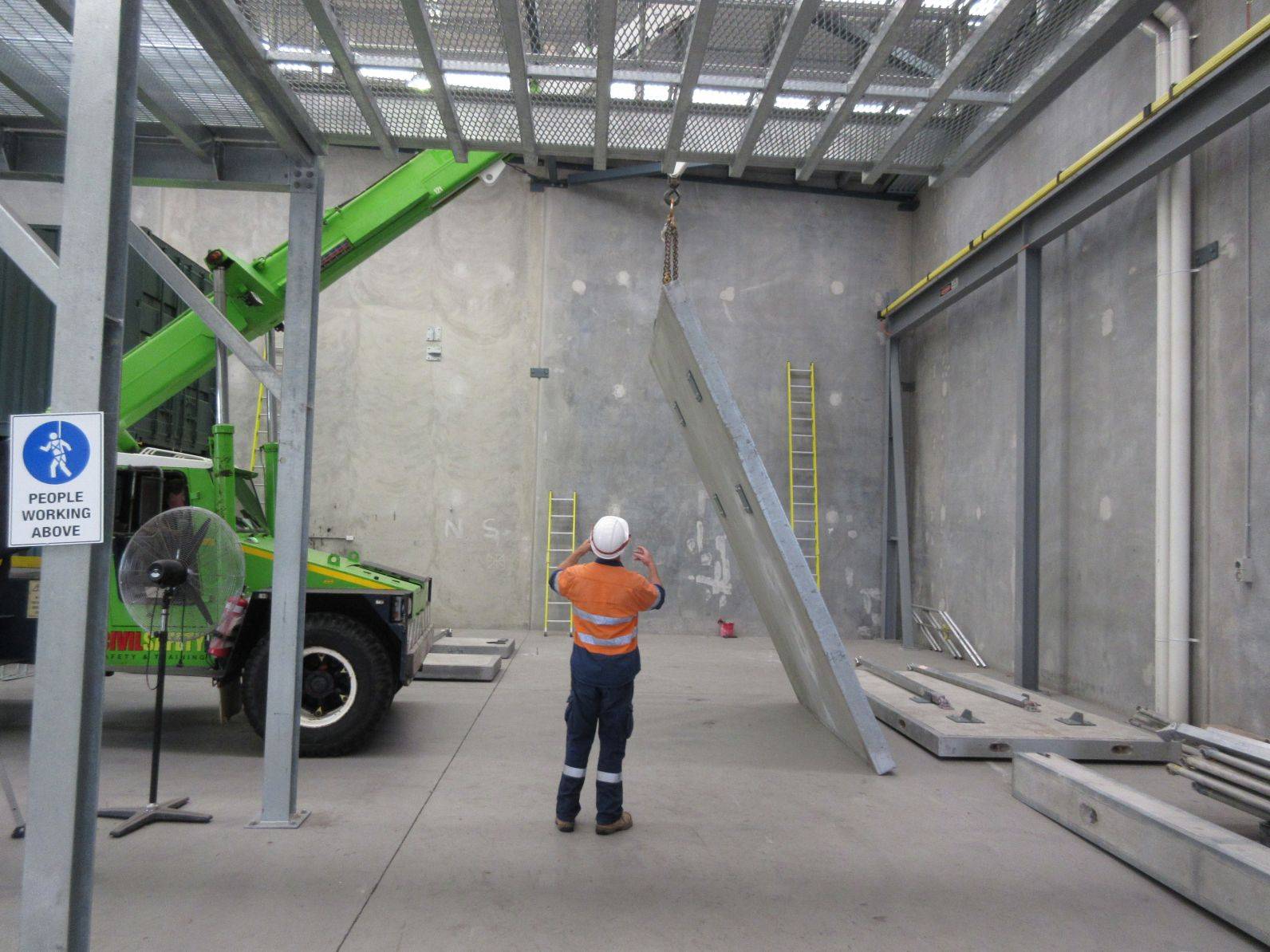
Around 17,000 crane operators work across Australia’s construction sites, earning a median weekly wage of over $3,000. That’s over $150,000 per year for skilled operators who can safely move loads that weigh dozens of tonnes through tight spaces and over their coworkers’ heads.
But to get a job as a crane operator, you’ll first need to get your crane licence. You’ll need to complete high-risk work licence training through a registered training organisation to become a crane operator in Australia. Civil Safety (RTO 32381) can get you there with the right crane operator training courses in Queensland and Western Australia.
What do crane operators do in Australia?
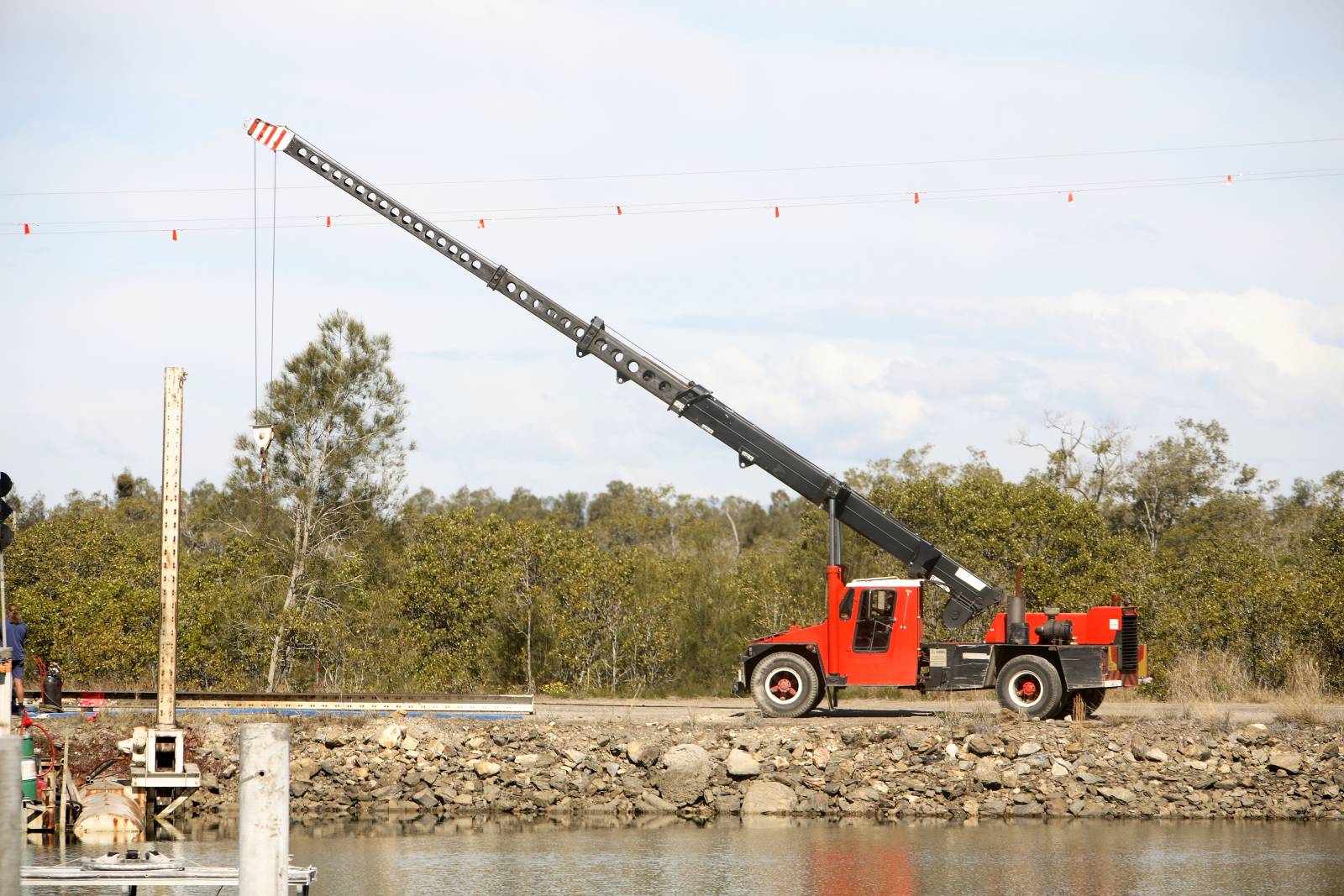
Crane operators are responsible for lifting and moving heavy materials and equipment across construction sites, mines, and infrastructure projects. The role demands exceptional precision, as operators often control loads exceeding 100 tonnes and must position them within millimetres - while other workers continue operating below.
There are different kinds of cranes for different uses:
Slewing mobile cranes can rotate 360 degrees and handle the heaviest loads on major construction projects
Non-slewing cranes work in tighter spaces where full rotation isn’t necessary
Vehicle loading cranes mount directly onto trucks to deliver materials
Tower cranes overshadow city skylines when working on new high-rise buildings
Crane licence types and what you need to operate
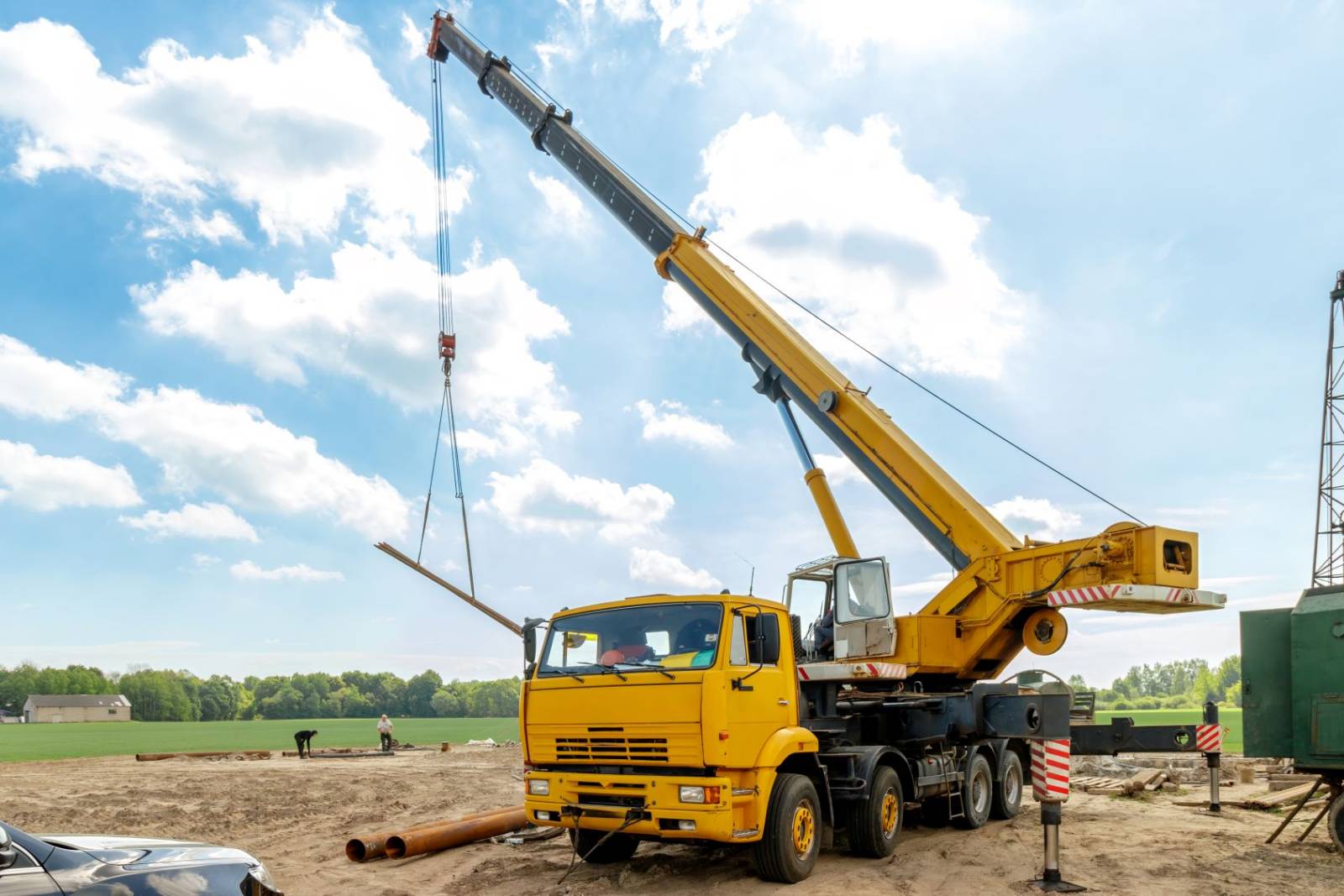
You need a high-risk work licence issued by your state’s WorkSafe authority to operate a crane in Australia. These licences exist because operating a crane can be very dangerous if you’re not properly trained. Machinery operators and drivers recorded 61 workplace deaths in 2024, representing almost one-third of all worker fatalities. The fatality rate for this occupation group is about five times higher than the national average, which explains why you need a licence to operate a crane.
These are the most common classes of crane licences in Australia:
C2 licence: You can operate slewing mobile cranes up to 20 tonnes capacity
C6 licence: You can operate slewing mobile cranes up to 60 tonnes capacity
C1 licence: You can operate slewing mobile cranes up to 100 tonnes capacity
CO licence: You can operate slewing mobile cranes over 100 tonnes capacity
CN licence: You can operate non-slewing mobile cranes over 3 tonnes capacity
CV licence: You can operate vehicle loading cranes with 10 metre-tonnes capacity and above
Most people start with a C2 or CN licence and progress to higher capacity classes as their careers advance. Each class requires separate training and assessment, though the foundational skills are largely the same.
Prerequisites before you start crane operator training
You can’t just sign up for an online course and get your licence right away. Australian regulations require you to hold specific prerequisite qualifications before you can start taking a crane operator course. If you’re researching how to be a crane operator or what qualifications you need, this is where you should start:
White card (CPCWHS1001): You need construction induction training that covers basic site safety. You must have this to access any construction site, even if you’re not operating any machinery.
Dogging licence (CPCCLDG3001): You must complete this before any crane licence. Dogging teaches you how to rig loads, attach lifting gear, and direct crane operators through hand signals. You need to know how to do all of this before you sit in the crane cab.
Rigging licence: Having a basic rigging (CPCCLRG3001) or intermediate rigging (CPCCLRG3002) certification means more job opportunities for you and gives you a deeper understanding of load dynamics.
Age requirement: You must be 18 or older to hold a high-risk work licence in Australia.
Language and literacy: You need sufficient English to understand safety instructions, read load charts and communicate with ground crews.
How to become a crane operator in Australia
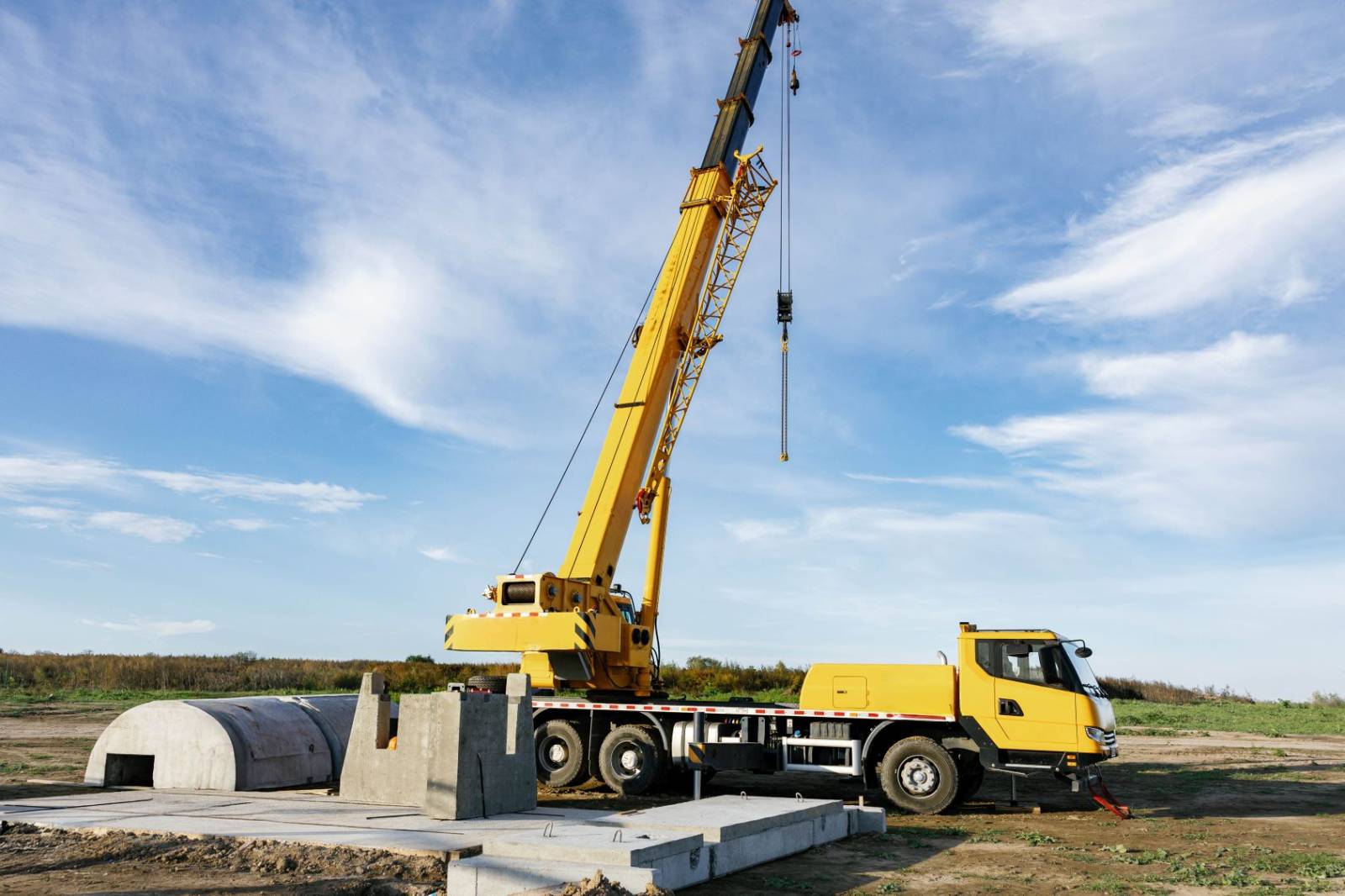
You can follow clear steps to become a licensed crane operator in Australia even if you have zero experience. Each of these steps builds on the previous qualification, creating a progression that prepares you for the responsibility of operating heavy machinery around other workers. This is how to get a crane licence in Australia:
Get your white card: The first step to getting your crane operator licence is completing the CPCWHS1001 construction induction course. Civil Safety runs six-hour white card training courses that you’ll walk away from with your card the same day.
Complete dogging training: The Licence to Perform Dogging course teaches you how to assess loads, slinging techniques, and crane direction. You’ll spend three to five days in practical and theory training.
Add rigging qualifications: Whilst basic rigging usually bundles with dogging, you can expand what loads you can prepare and which sites will hire you by completing an intermediate rigging course. Advanced rigging opens more doors for you, though you don’t need it for basic crane operations.
Choose your licence class: Decide based on your career goals. A C2 licence makes sense for most beginners. If you’re working in tight urban sites, then a CN licence might make more sense. You can always collect additional licences as you gain more experience.
Complete crane operator training: You’ll spend five to ten days in crane licence courses depending on the class. These courses teach you all about pre-start inspections, load charts, safe operating procedures, emergency responses, and the physics of crane stability.
Pass your assessment: Qualified assessors will watch you operate the crane through various scenarios. You’ll demonstrate pre-start checks, calculate load weights, position loads accurately, and respond to simulated emergencies. Pass this and you’ll receive your Notice of Satisfactory Assessment.
Apply for your high risk work licence: You’ll submit your Notice of Satisfactory Assessment to your state’s WorkSafe authority along with proof of identity and the application fee. You can start working within 60 days whilst you wait for your physical licence card to arrive.
How long does it take to become a crane operator?
You can complete the full pathway from white card to licensed crane operator in as little as three to four weeks if you take courses back-to-back. This is how long it takes to get each crane operator licence:
Qualification | Duration | What It Gets You |
White card | 1 day | Access to construction sites |
Dogging licence | 3–5 days | Ability to rig loads and direct crane operations |
Basic rigging | 3–5 days | Qualification to prepare wider range of loads |
C2 crane licence | 5–7 days | Operate slewing mobile cranes up to 20 tonnes |
CN crane licence | 5–7 days | Operate non-slewing mobile cranes over 3 tonnes |
Higher crane classes | 7–10 days per class | Progressively larger crane capacities |
Start your crane operator training with Civil Safety
Civil Safety can get you every construction qualification you need to become a licensed crane operator with the right plant operator training for you. You’ll find training centres across Queensland and Western Australia with courses throughout the week with flexible scheduling.
This is your best time to join the construction industry or cement your commitment to it. Australia’s construction industry will complete over $330 billion in work in 2025, so you’ll position yourself to earn strong wages in an industry where skilled operators make over $3,000 per week.
Contact Civil Safety today to start your crane operator training and take the first step toward a career operating some of Australia’s most powerful machines.
FAQs
To become a crane operator in Australia, you need to complete the required training and obtain a High Risk Work Licence (HRWL) for the specific crane type you want to operate. This usually involves completing nationally recognised training, gaining practical experience, and passing a formal assessment. Civil Safety offers crane, rigging, and dogging courses that help you build the skills and qualifications needed to enter the industry and progress into crane operation roles.
The fastest way to become a crane operator is to start with a dogging course, followed by rigging, and then progress into a crane licence. This pathway gives you the practical lifting and safety skills required on-site. Training with Civil Safety can help fast-track your progress with hands-on courses designed to prepare you for real job conditions and licence assessments.
To work as a crane operator, you must hold a High Risk Work Licence (HRWL) for your chosen crane class (such as C2, C6, CN, or CV). Before this, many employers expect you to have completed dogging or rigging qualifications. Civil Safety provides nationally recognised training across all these areas, helping you meet job requirements and industry standards.
Yes, you can become a crane operator with no experience by starting with entry-level training. Courses like the White Card, dogging, and basic rigging are ideal for beginners and provide the foundational skills needed to enter the industry. Civil Safety’s beginner-friendly courses are designed to help you gain hands-on experience and transition into crane operation roles.
The time it takes to get a crane licence in Australia depends on your pathway and experience level. Entry-level courses like dogging or rigging can be completed in a matter of days or weeks, while progressing to a crane licence may take a few months as you build practical experience and complete assessments. Civil Safety offers structured training programs that help you move efficiently from beginner courses through to crane licensing.