
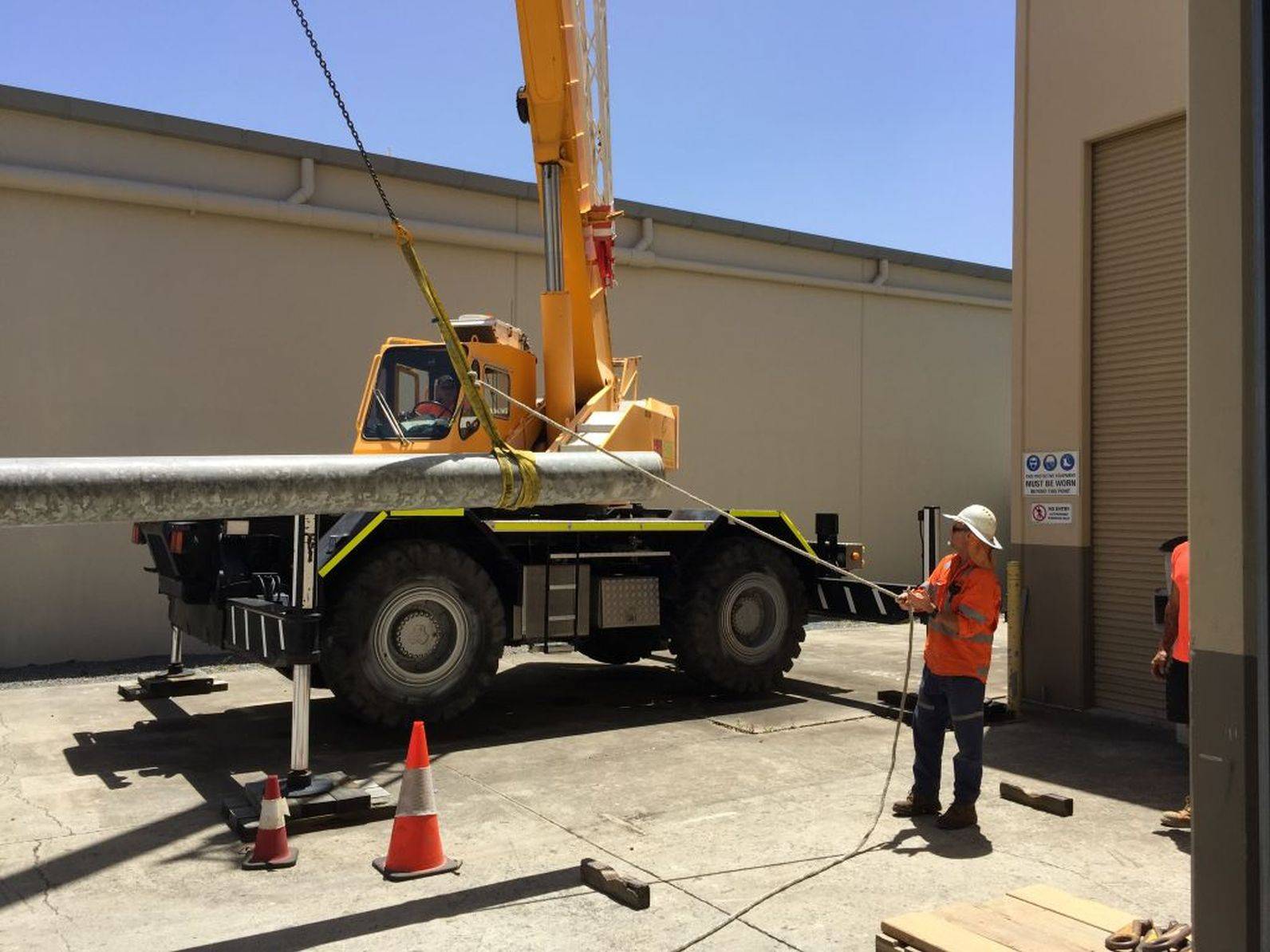
If you’re looking to work in construction, mining, infrastructure or heavy industry, you may have come across the terms dogging and rigging. While the two types of work are closely related, they are not the same - and the licence you need depends on the tasks you will be performing.
Understanding the difference between a Dogging High Risk Work Licence (DG) and a Rigging High Risk Work Licence can help you choose the right training and prepare for a career involving cranes, lifting equipment and heavy loads.
What is Dogging?
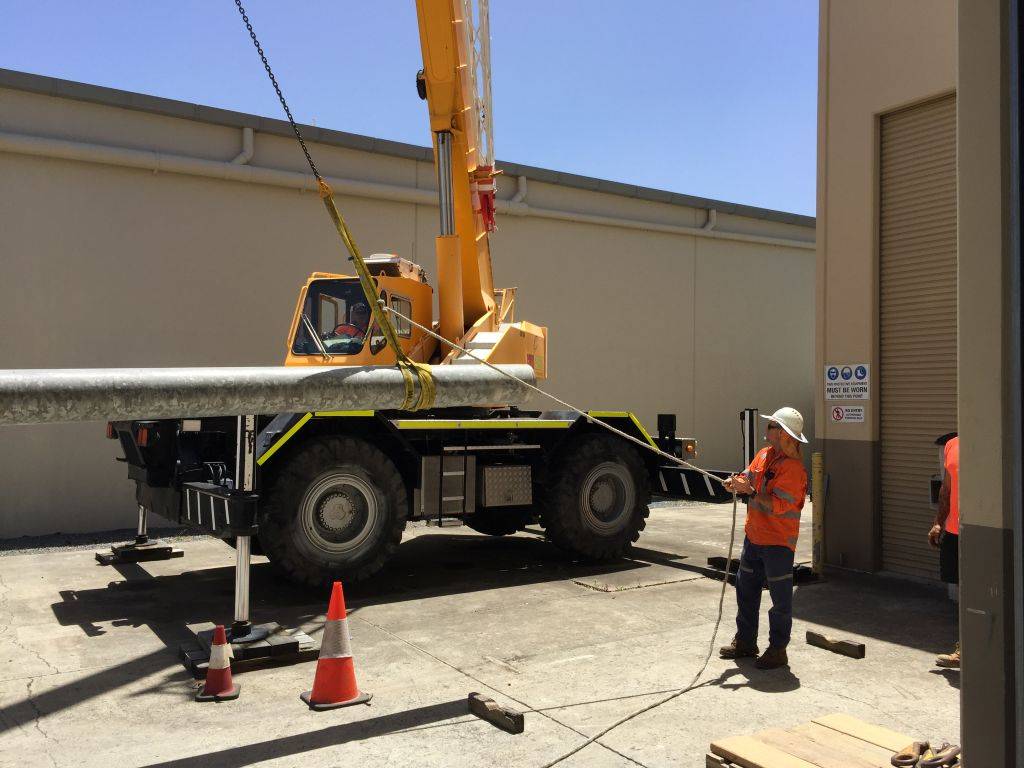
Dogging
Dogging involves safely preparing and directing loads for lifting. A dogger uses their knowledge and judgement to select appropriate lifting gear and slinging methods based on factors such as the load's size, weight, shape and centre of gravity.
Dogging can also involve directing a crane or hoist operator when the load is outside the operator's view, using methods such as hand signals, whistles or two-way radios.
Typical dogging duties can include:
Selecting suitable slings, chains and other lifting gear
Inspecting lifting equipment before use
Determining the appropriate slinging method
Considering the weight and centre of gravity of a load
Directing crane or plant operators when the load is out of their view
Communicating safely with the crane operator and other workers during a lift
Workers performing dogging work generally require a Dogging High Risk Work Licence (DG).
What is Rigging?
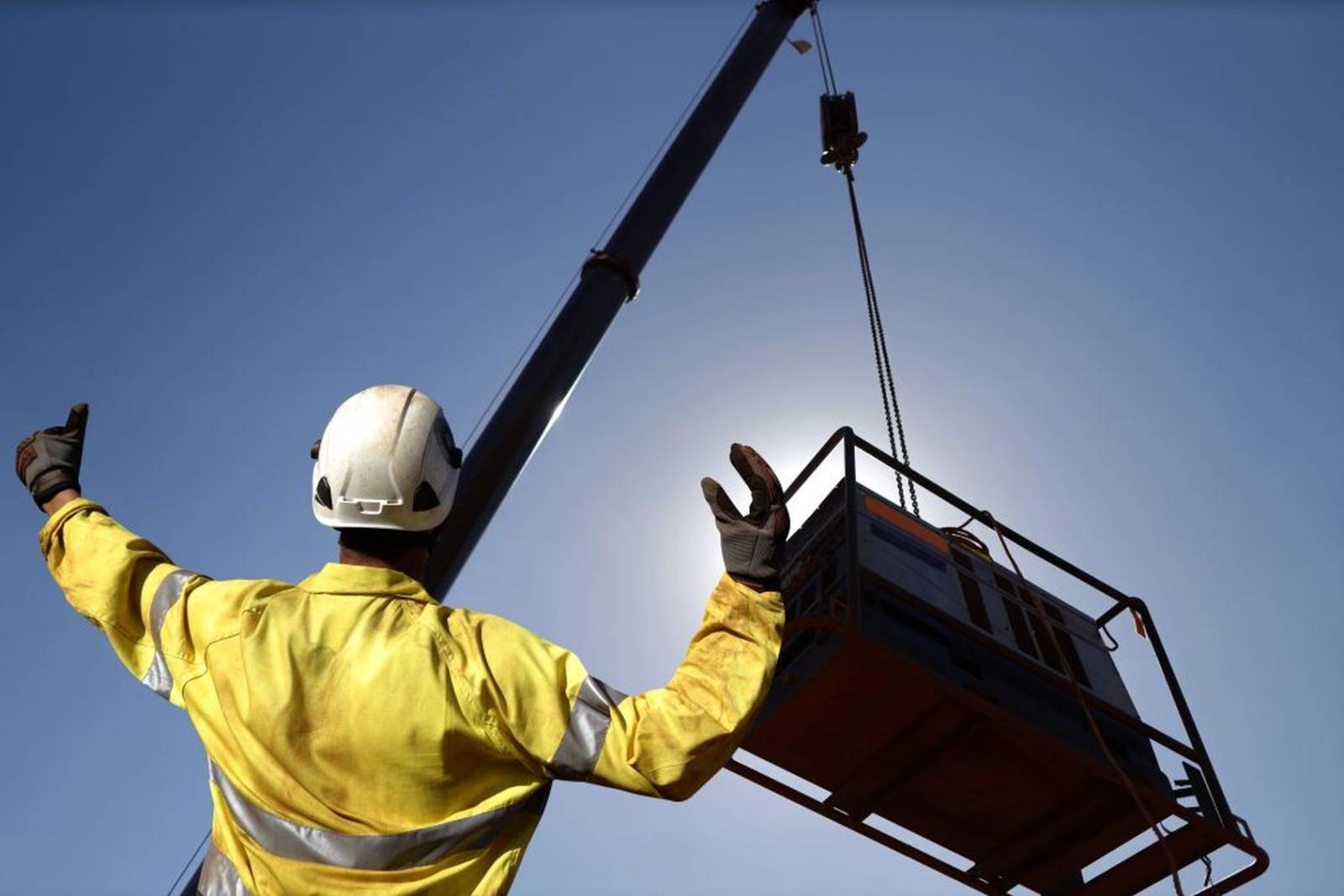
Rigging
Rigging involves a broader range of work associated with moving, placing and securing loads and structures using mechanical load-shifting equipment and associated gear.
Depending on the level of rigging licence held, riggers may perform tasks such as structural steel erection, installing certain hoists, rigging cranes and conveyors, placing precast concrete, demolition work and dual lifts. Rigging can also include setting up or dismantling cranes and hoists.
In Queensland, rigging is divided into three levels:
Each level has a different scope of work and additional training and licensing requirements.
Dogging vs Rigging: What's the difference?
The easiest way to understand the difference is to think of dogging as focusing on the safe slinging and movement of loads, while rigging involves more advanced work involving loads, structures, equipment and lifting systems.
Dogging | Rigging |
Selecting and inspecting lifting gear | More advanced lifting and structural work |
Applying slinging techniques | Rigging structures and equipment |
Considering load weight and centre of gravity | Setting up or dismantling certain cranes and hoists |
Directing crane operators when loads are out of view | Includes basic, intermediate and advanced levels |
Requires DG High Risk Work Licence | Requires the appropriate rigging HRW Licence |
It's important to remember that the scopes can overlap. For example, a Basic Rigging (RB) licence in Queensland includes dogging work, while Intermediate and Advanced Rigging licences build on the previous levels.
Which licence do you need?
The right licence depends on the work you intend to perform.
Dogging Licence (DG)
A Dogging High Risk Work Licence may be suitable if your role involves:
Slinging loads
Selecting lifting equipment
Inspecting lifting gear
Determining appropriate slinging techniques
Directing crane or hoist operators when loads are out of their view
WorkSafe Queensland identifies dogging as the application of slinging techniques and directing plant operators when loads are outside the operator's view.
Basic Rigging Licence (RB)
A Basic Rigging Licence covers dogging work as well as additional rigging activities.
In Queensland, the scope includes work such as:
Structural steel erection
Certain hoists
Placement of precast concrete members
Safety nets and static lines
Mast climbers
Perimeter safety screens and shutters
Cantilevered crane loading platforms
A person applying for a Basic Rigging licence must hold, or have previously passed assessment for, a Dogging licence.
Intermediate Rigging Licence (RI)
An Intermediate Rigging Licence allows workers to undertake Basic Rigging activities plus additional work, including:
Rigging cranes
Rigging conveyors
Rigging dredges and excavators
Tilt slabs
Demolition of structures or plant
Dual lifts
A worker must hold, or have previously passed assessment for, Dogging and Basic Rigging before obtaining Intermediate Rigging.
Advanced Rigging Licence (RA)
Advanced Rigging is the highest level and covers additional specialised rigging work, including:
Gin poles and shear legs
Flying foxes and cableways
Guyed derricks and structures
Suspended scaffolds
Fabricated hung scaffolds
Advanced Rigging requires the preceding Dogging, Basic Rigging and Intermediate Rigging competencies.
Why are dogging and rigging important in mining and construction?
Safe lifting is critical on construction sites, mine sites, workshops, infrastructure projects and other workplaces where cranes and heavy loads are used.
Incorrect selection or use of lifting equipment can result in dropped loads, equipment failure, serious injuries and damage to property. Licensed doggers and riggers play an important role in ensuring loads are prepared, lifted and moved safely.
For businesses, ensuring workers hold the appropriate high risk work licence is also an important part of meeting workplace health and safety responsibilities. WorkSafe states that workers performing licensed high risk work must hold the relevant licence.
Dogging or Rigging: Which career path is right for you?
If you're just starting out and want to work with cranes and lifting operations, Dogging can be a useful starting point.
If you want to expand your skills and take on more specialised lifting and structural work, progressing into Basic, Intermediate and Advanced Rigging can provide a broader scope of work.
Your choice should ultimately depend on the duties your current or future employer requires you to perform.
Start your dogging or rigging career
Civil Safety provides high-risk work training to help workers develop the skills and qualifications needed for work in construction, mining and other industries.
Whether you're looking to obtain your Dogging (DG) licence or progress into Rigging, choosing the correct training is an important first step.
Ready to get started? Explore Civil Safety's dogging and rigging training options or contact our team to find the course that's right for you.
Licensing requirements and course prerequisites can vary between jurisdictions and may change. Always check the current requirements with the relevant state or territory regulator before commencing training.