
The first big decision on your path to becoming a crane operator in Australia is which licence to get first. A CN licence lets you operate non-slewing cranes like a franna. A C2 licence covers slewing cranes up to 20 tonnes instead. The order you choose affects your budget and the work you can take on, since each course costs at least $1,500 and takes up to five days of face-to-face training.
At Civil Safety (RTO 32381) we deliver both courses at our training centres in Queensland and Western Australia. This guide explains how slewing and non-slewing cranes compare and which licence makes more sense for your career plans. We’ll also cover what a recent national rule change could mean for your choice.
What's the difference between slewing and non-slewing cranes?
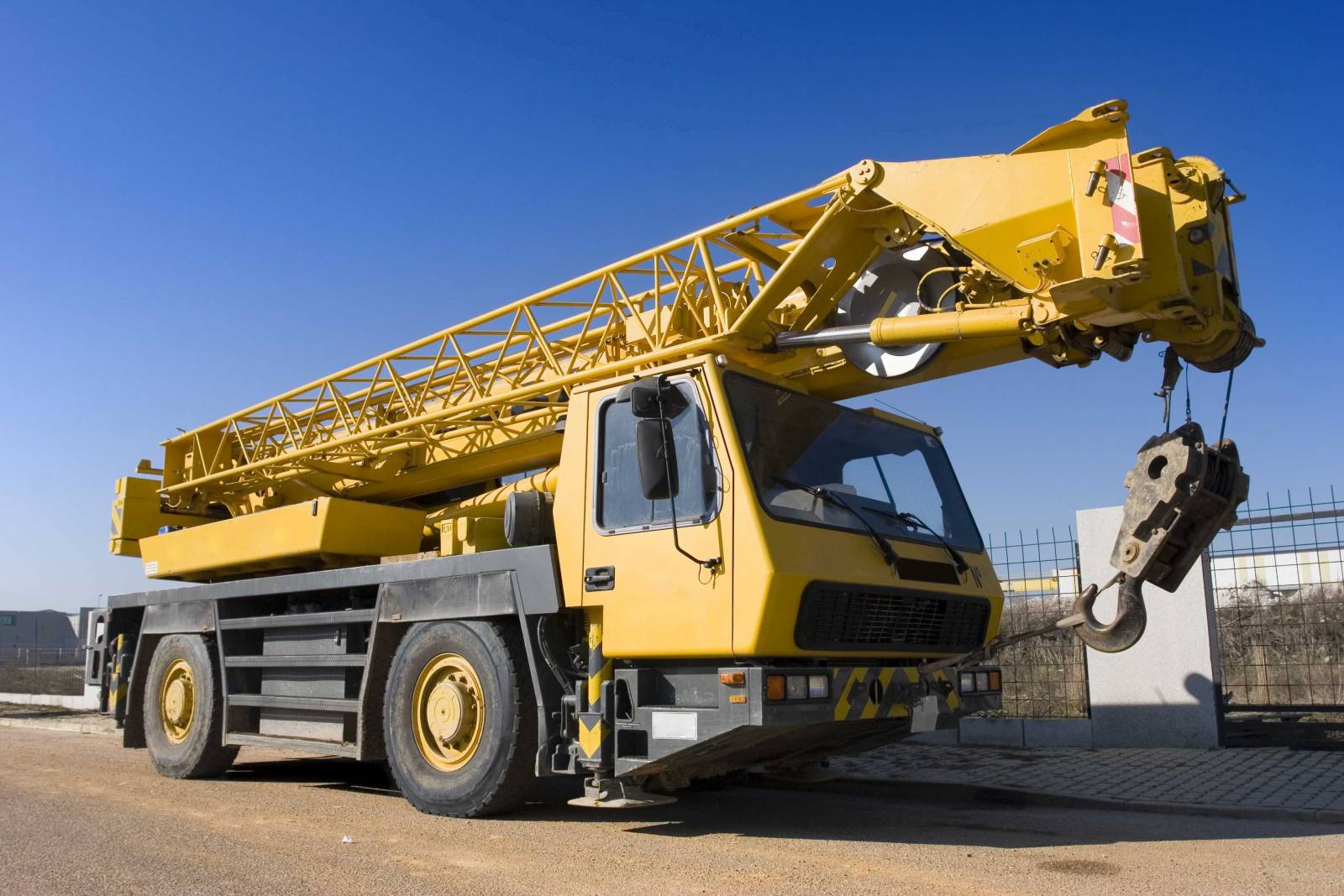
The main difference is whether you can rotate the boom while the crane holds the load. Slewing crane operators can swing the boom around to place a load without moving the whole machine. Non-slewing crane operators have to drive the crane to move a load instead. That’s why non-slewing cranes are also called “pick and carry” cranes.
A franna is one example of a non-slewing crane. You’ll need a CN licence to operate a non-slewing crane with capacity over three tonnes. Slewing cranes are split into four licence classes based on capacity:
C2: Our C2 course qualifies you for slewing cranes up to 20 tonnes.
C6: Operators can work cranes of up to 60 tonnes with a C6 licence.
C1: The C1 licence covers cranes up to 100 tonnes on major construction and mining projects.
CO: The CO licence is the top class, with no upper limit on crane capacity.
CN vs C2 at a glance
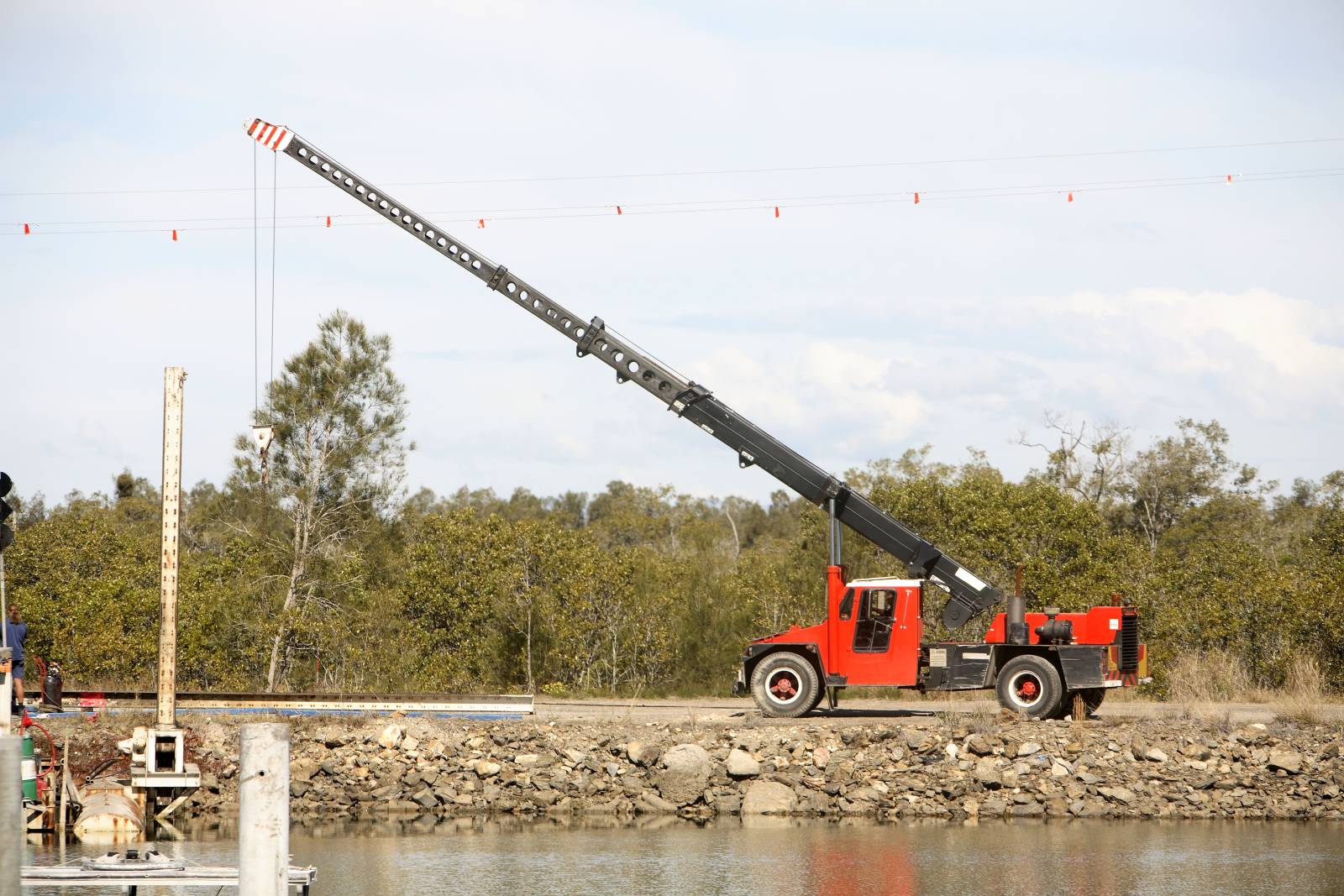
Here’s how CN and C2 compare on what each licence lets you operate, which other classes it covers, how long the course takes and how much it costs:
CN | C2 | |
What you can operate | Non-slewing mobile cranes over three tonnes, such as a franna | Slewing mobile cranes up to 20 tonnes |
Other classes covered | None | CN, CV (vehicle loading crane) and RS (reach stacker) in Queensland and WA |
Course length | 3 to 4 days | 4 to 5 days |
Price | $1,500 to $2,200 | $1,800 to $2,385 |
Next slewing class | C2 | C6 |
Which should you get first?
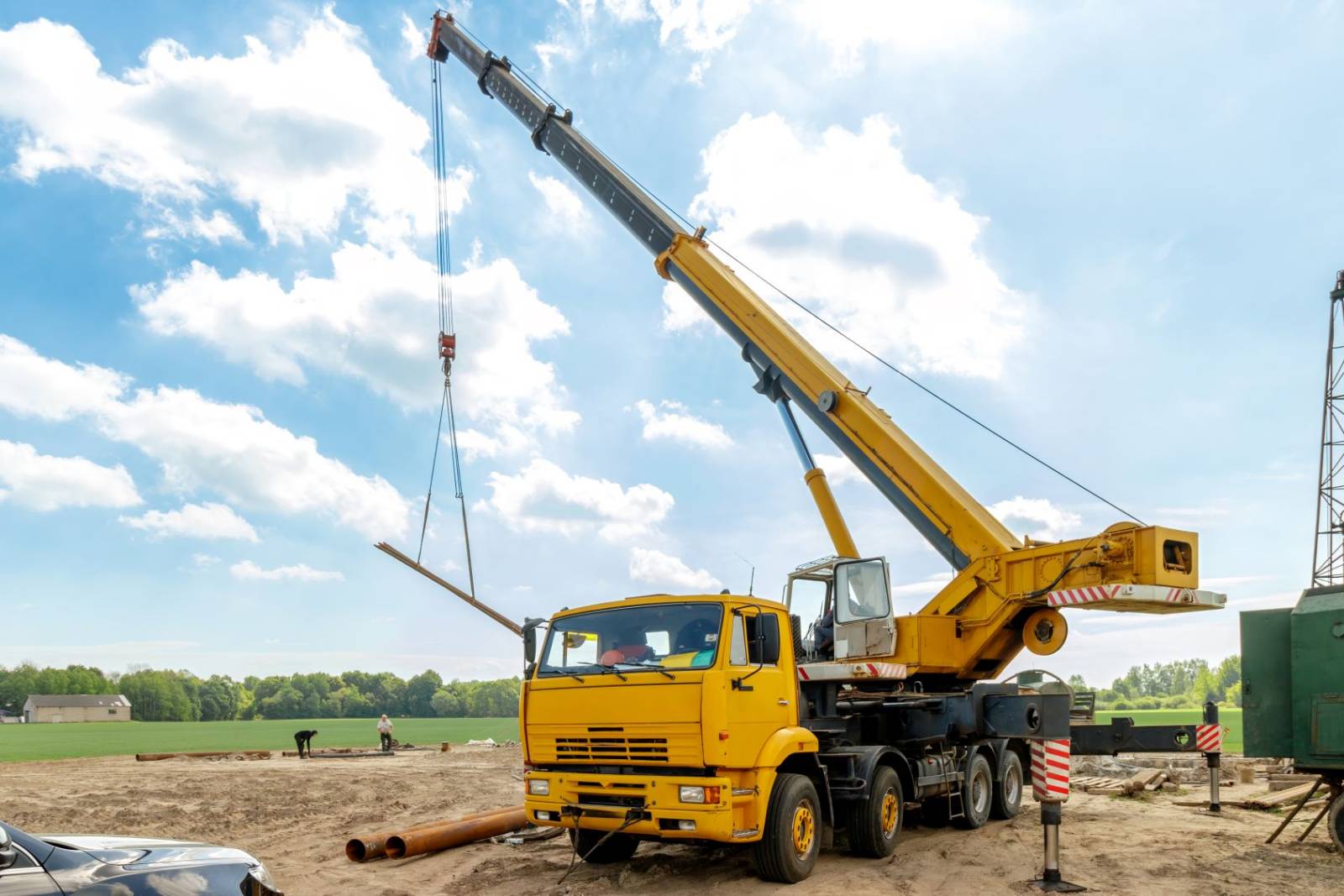
C2 is the better starting point if you’re planning a long-term career in crane operation. Your C2 also covers CN work in Queensland and Western Australia, so the one course qualifies you for frannas and slewing cranes up to 20 tonnes.
CN makes more sense as your first licence in these situations:
You want franna work specifically: You only plan to do pick-and-carry jobs for now.
You want a quicker start: The CN course takes 3 to 4 days compared to 4 to 5 days for C2.
You’re on a tight budget: CN starts from $1,500 compared to $1,800 for C2.
You’re unsure about slewing work: You can still add a C2 later once you’ve gained some crane experience.
Keep one rule change in mind before you decide. Safe Work Australia removed CN cover from slewing licences in the model WHS Regulations in December 2025. Queensland and WA haven’t adopted the change yet and may choose not to, but it’s a possibility that the C2 will no longer cover franna work in the future. A CN licence is the safer bet if pick-and-carry work matters to you long term.
Can you upgrade later?
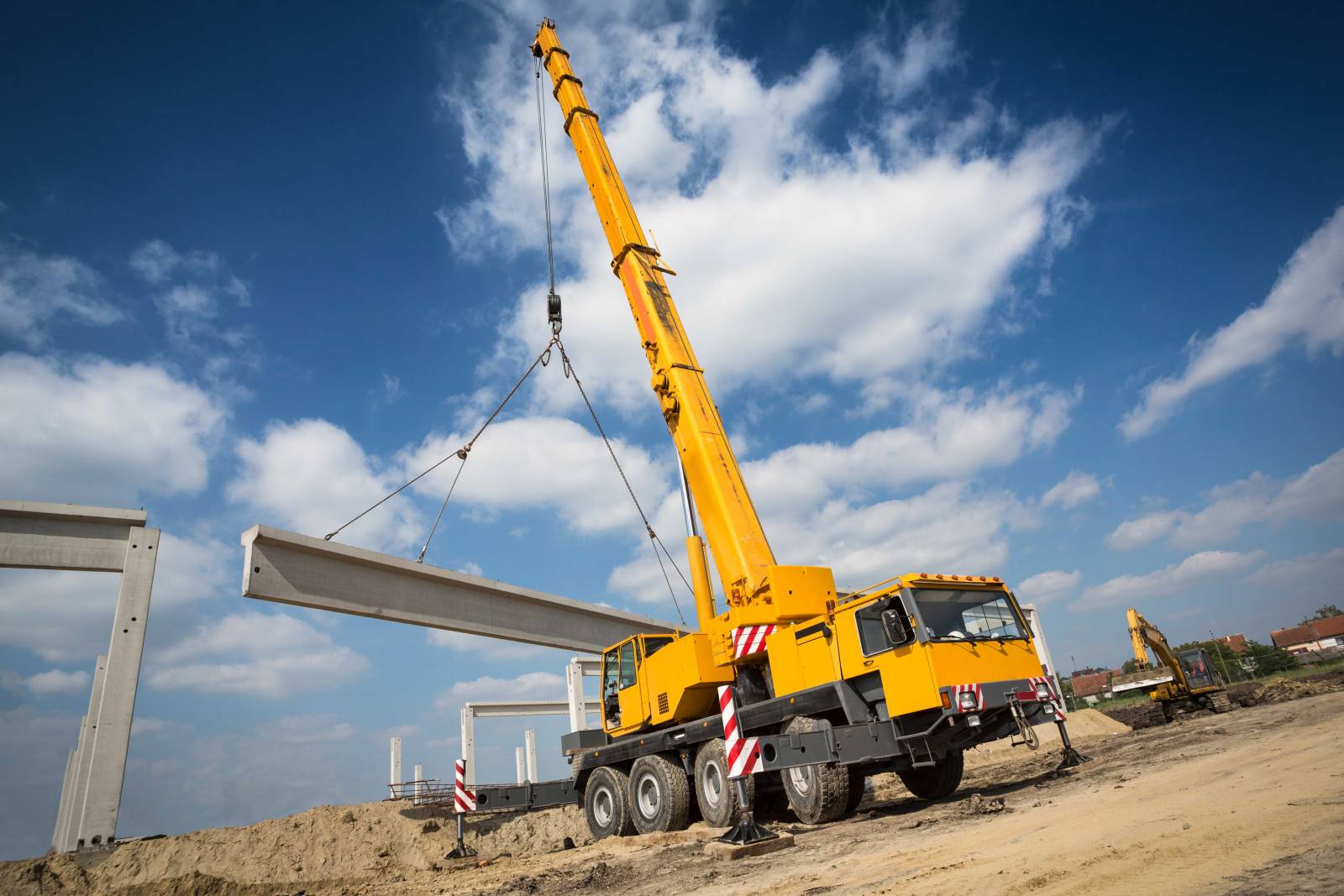
Yes. You can add a slewing class after starting with a CN by completing our Licence to Operate a Slewing Mobile Crane (C2 - up to 20 tonne) course and passing its assessment. From there, you can step up through the higher slewing classes as your experience grows. In Queensland, each higher class also covers the ones below it, so a C6 licence lets you do C2 work too.
The upgrade path may soon have one more step. Safe Work Australia’s December 2025 amendment makes the dogging course a prerequisite for CN and all four slewing classes. You’ll need to complete Licence to Perform Dogging (CPCCLDG3001) before you apply for your crane licence, although you won’t need to hold a dogging licence yourself. The change only applies once your state adopts it, and each will decide how it treats operators who already have a licence. Our dogging course takes 4 to 5 days of face-to-face training.
Book your crane licence with Civil Safety
Book your CN or C2 course with us and you could be applying for your High Risk Work Licence within a week. We deliver both courses at our training centres in Queensland and WA. Eligible WA workers can also claim CTF funding to cut the cost. If you’re still unsure which licence suits your plans, contact our team and we’ll help you choose.
Frequently Asked Questions
Slewing means the crane can rotate its boom around the base while it holds a load. Non-slewing cranes like frannas have a boom that doesn’t rotate on its own. Operators move loads on these cranes by driving the whole machine instead.
Not at the moment. Your C2 licence currently covers CN work in Queensland and Western Australia. That could change once your state adopts Safe Work Australia’s December 2025 amendment, which removes CN cover from all slewing licences. Check your state’s rules before you rely on it.
Yes. You’ll need to complete our C2 course and pass its assessment to upgrade. CN holders who want their first slewing class are one of the groups the course is designed for.
If you complete the course in Western Australia, the cost of processing your high risk work licence application is included in the course price. In Queensland, a separate $160 processing fee applies.