
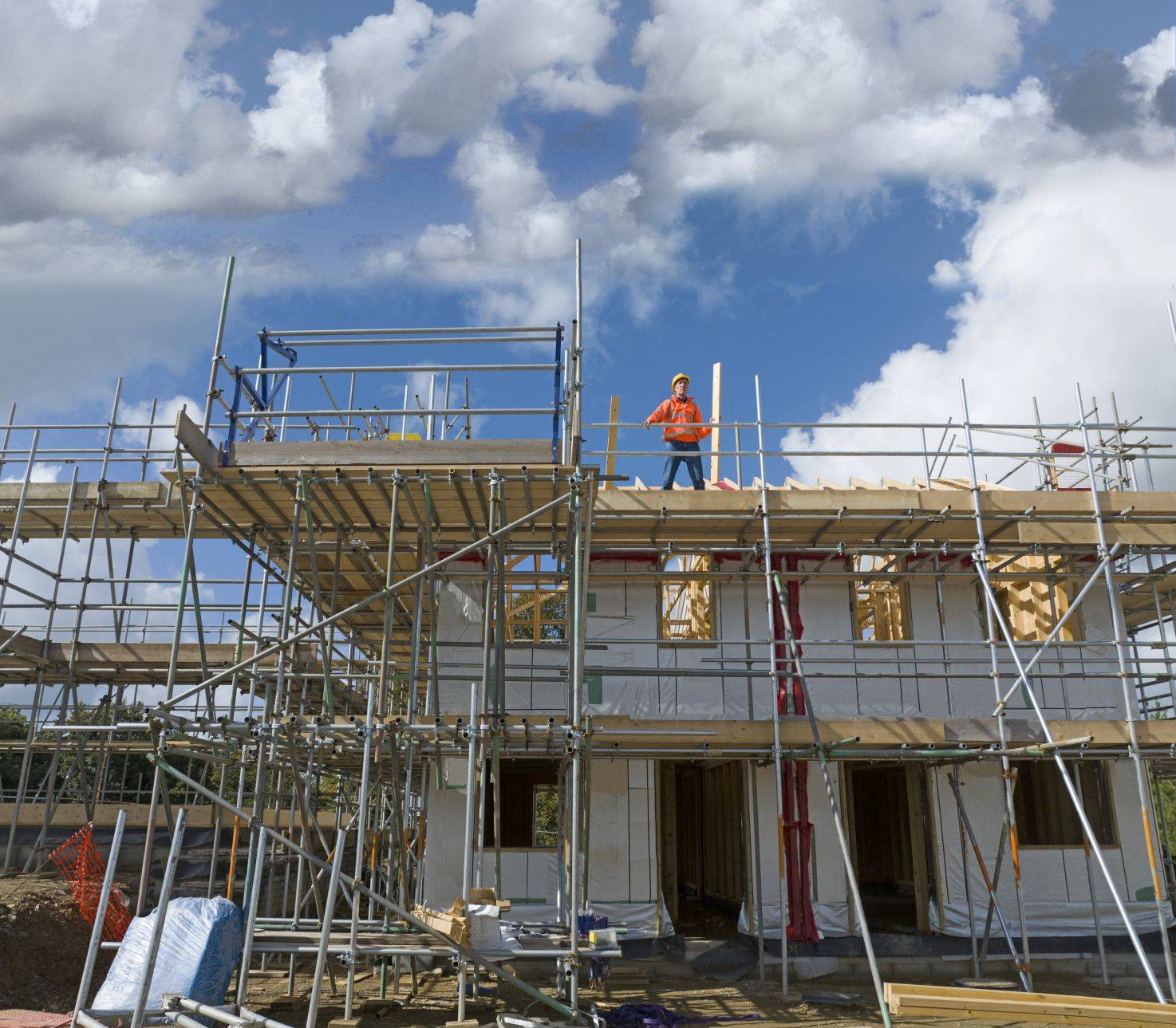
Western Australia’s mining, oil and gas, LNG, and industrial maintenance sectors can’t operate without scaffolders. Every shutdown, every commercial build, and every resources project needs someone qualified to erect the structures other trades work from. With $49 billion in mining and petroleum projects currently under construction or committed in WA, that demand isn’t going anywhere.
Perth is the major training hub for scaffolders in WA, with Bunbury supporting workers in the South West and FIFO opportunities available throughout the state’s mining regions. This guide covers what the role involves, how much you can earn, how to get licensed, and where the career can take you.
What do scaffolders do?
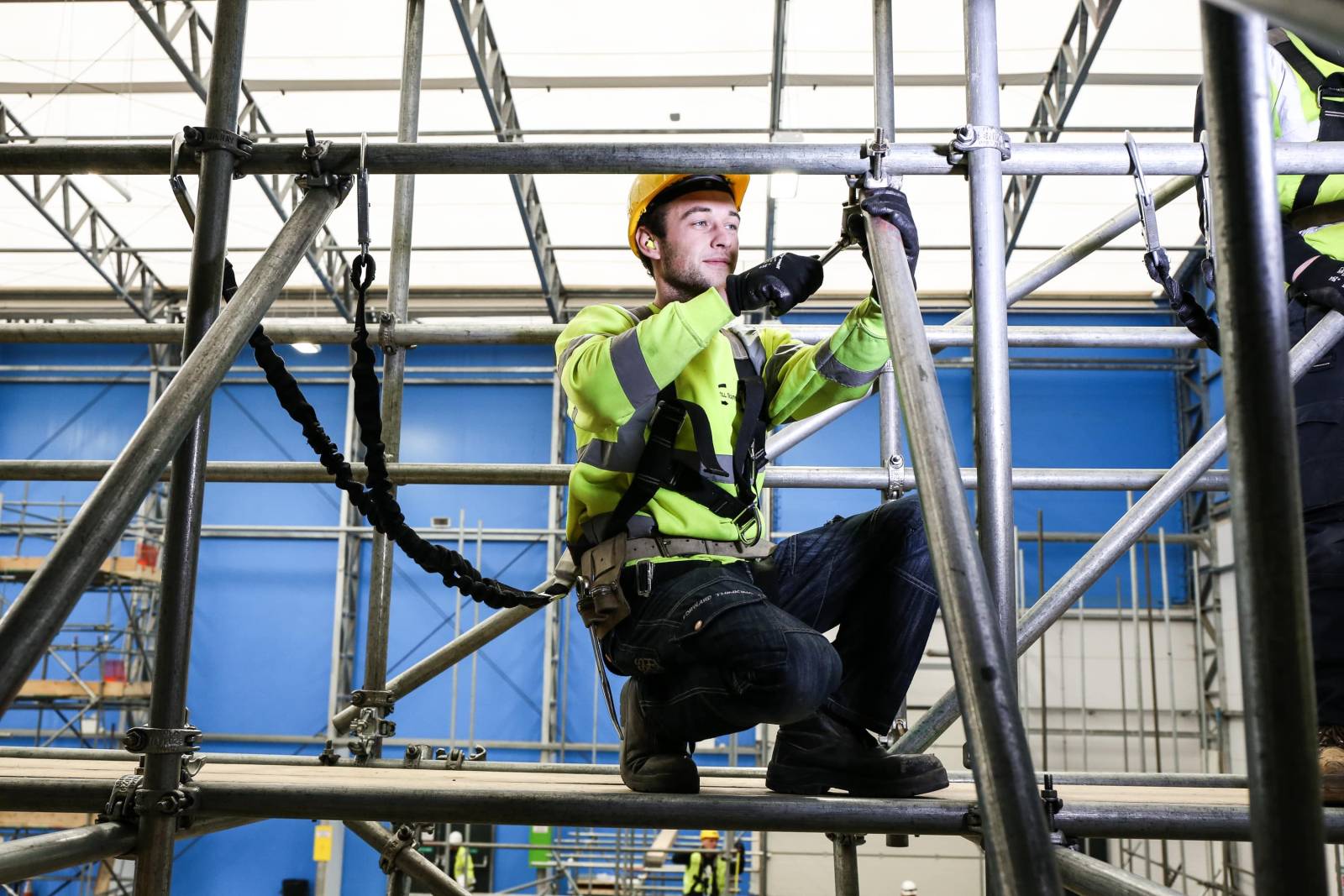
Scaffolders erect, alter, and dismantle the temporary structures that let other trades work safely at heights. On a mine site, a commercial build, an LNG shutdown, or a residential renovation, they’re the ones in charge of the platforms other tradespeople and maintenance crews work from.
This is what scaffolders do on a daily basis:
Read site documentation: Every job starts with paperwork. You’ll interpret site plans, Job Safety and Environmental Assessments, and Safe Work Method Statements before touching a single pole.
Set the foundation: A scaffold is only as stable as what it’s built on. Sole boards and base plates go down first to give the structure a solid footing.
Build the structure: Depending on the job, you’ll assemble either modular scaffolding or tube-and-coupler configurations to meet the site’s specific requirements.
Sign off: Nobody steps on the structure until you have. Mandatory safety checks and sign-off on scaffold inspection logs and handover certificates come before anyone else gets access.
How much do scaffolders earn in WA?
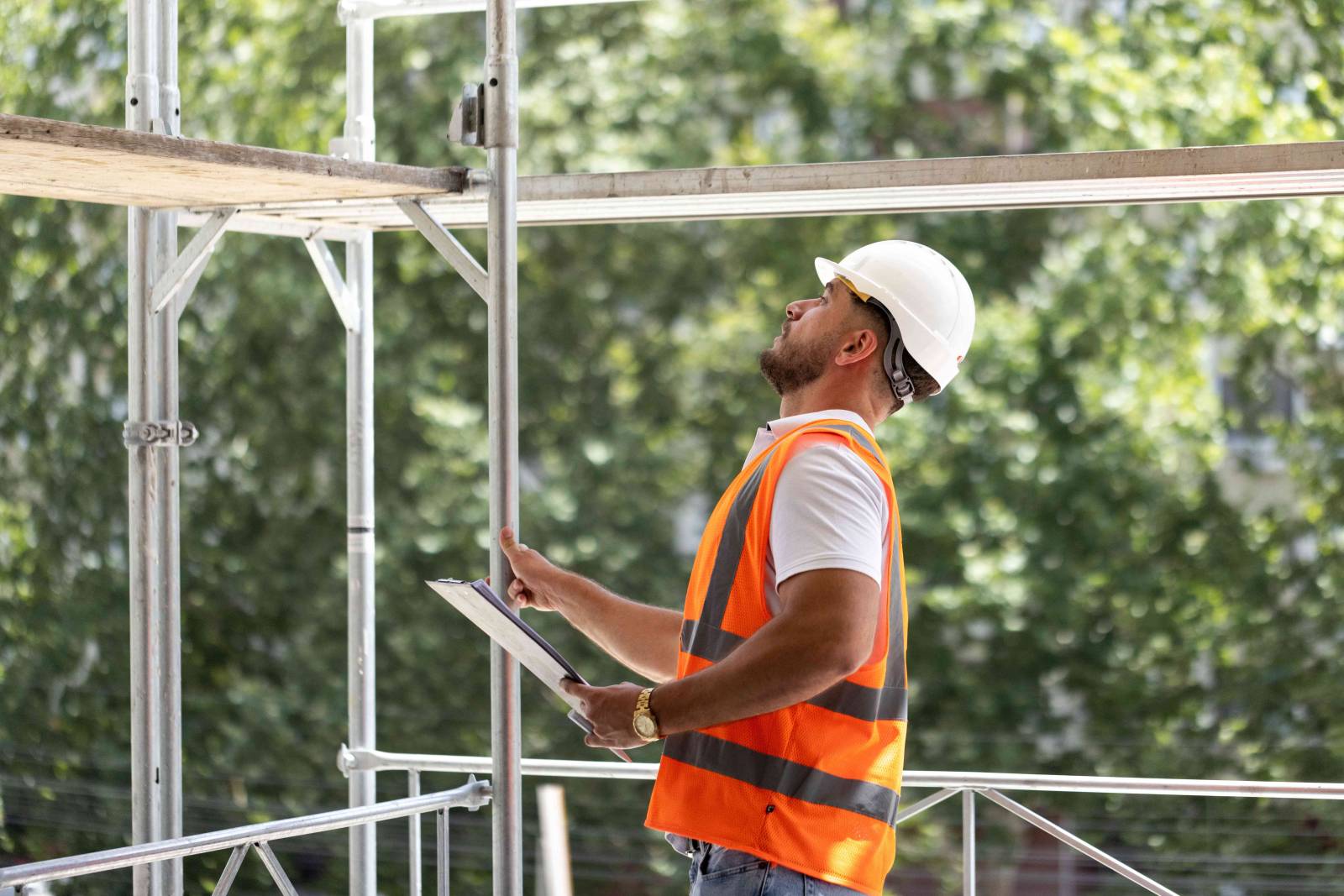
The average yearly salary for scaffolders in WA ranges from $70,000 to $90,000, according to SEEK. That’s the baseline, though, and it can change quite a bit depending on where you work.
Residential and commercial scaffolding tends to land at the lower end of that range. Industrial and mining scaffolding pays considerably more, especially on FIFO rosters where allowances and shutdown rates push earnings well past the average. A scaffolder working resources shutdown in the Pilbara earns a different number entirely from one working a suburban Perth build site.
Here’s what that progression looks like:
Experience level | Typical work | Salary range |
Entry level | Residential and commercial construction | |
Mid-level | Industrial sites, complex civil builds | |
Experienced | Mining shutdowns, LNG, FIFO rosters |
How to become a scaffolder: step by step

WA’s construction and resources sectors need a steady supply of licensed scaffolders. The pathway there is well-structured, so you can become a scaffolder in WA by following these steps:
Get your White Card: Having a White Card is the baseline requirement for any construction or work site in Australia. You’ll need this before you can enrol in anything else.
Complete your Basic Scaffolding Licence: This is a four to five day face-to-face course and the foundational legal requirement before you can apply for your High Risk Work Licence.
Progress to Intermediate and Advanced: Once you’re working, moving up expands the structures you’re licensed to build, including tube and coupler setups, cantilevered platforms, and spur scaffolds.
If you would then like to further formalise your scaffolding skills, you could even consider a Certificate III in Scaffolding: This course gives you long-term trade recognition and opens up apprenticeship pathways if you want to build a career rather than just hold a ticket.
Why licensing matters
Scaffolding is classified as high-risk work because the consequences of a mistake are quite severe. Falls from height killed 29 workers in Australia in 2023, a 71% jump on the year before. That puts falls as one of the top two causes of workplace fatalities for six years straight.
A 2024 compliance blitz across 343 NSW construction sites shows exactly where that risk comes from. SafeWork NSW inspectors found that 37% of sites had incomplete scaffold decks, missing ledgers, planks, or hop-ups that should never have been signed off. Almost a quarter of scaffolds had been altered by workers without a licence to do so. Inspectors issued 613 compliance notices and more than $135,000 in on-the-spot fines.
That’s NSW data, since there’s no equivalent WA-specific audit, but the underlying problem isn’t specific to any one state. An unlicensed worker altering a scaffold doesn’t know what they don’t know, and the structure holding up every other trade on site becomes the weak point. Scaffolding licences exist because the alternative hurts people.
Scaffolding licence tiers: Basic vs Intermediate
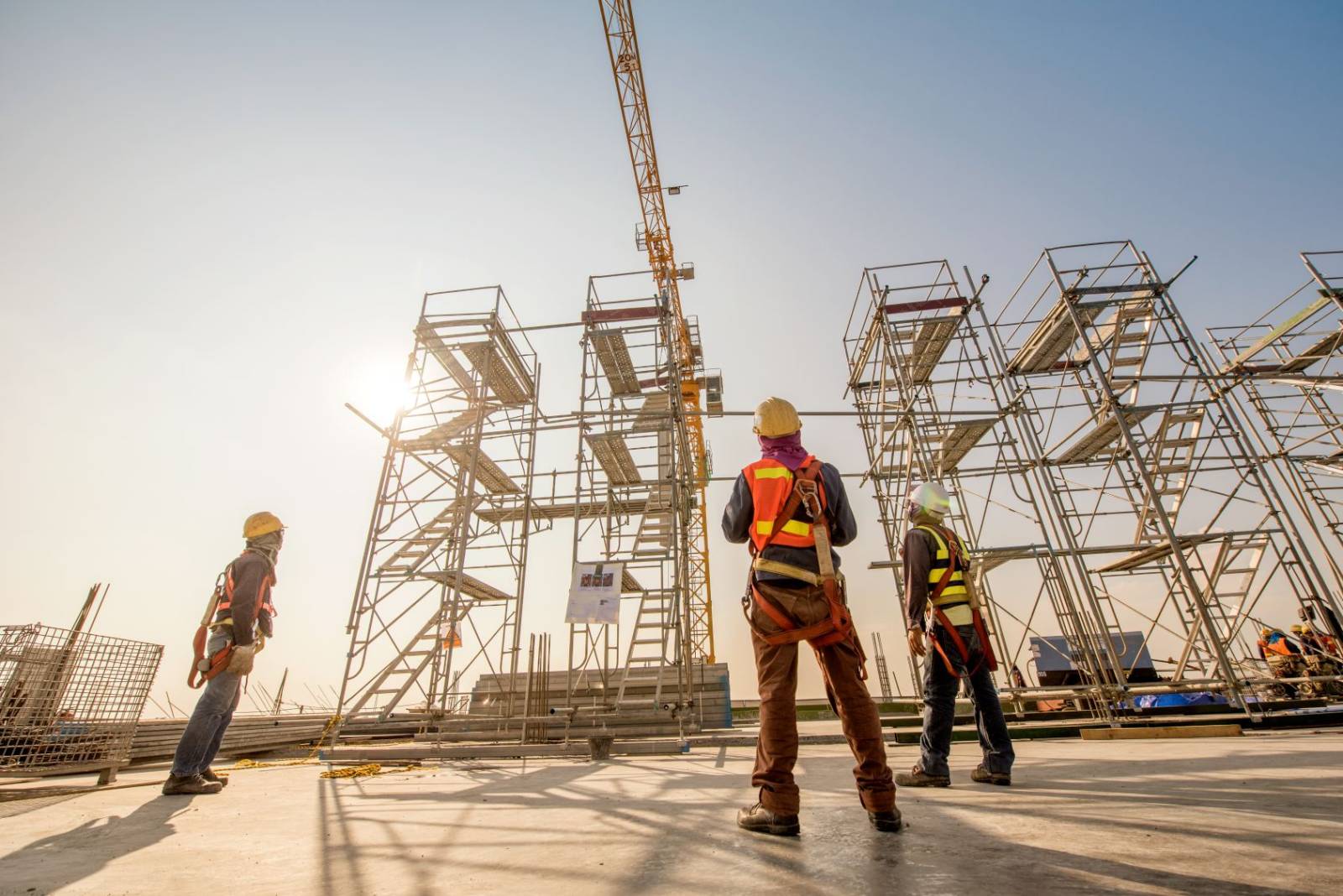
Scaffolding is classed as High Risk Work, so you cannot legally erect, alter, or dismantle scaffolding without the correct tier of licence. This is how the Basic and Intermediate licenses compare:
Feature | Basic Scaffolding(CPCCLSF2001) | Intermediate Scaffolding (CPCCLSF3001) | Advanced Scaffolding (CPCCLSF4001) | Certificate III in Scaffolding | Verification of Competency (VOC) |
Prerequisites | 18+ years old, LLN skills | Must hold a Basic Scaffolding Licence | Must hold an Intermediate Scaffolding Licence | No licence prerequisite | Must hold a current relevant licence |
Common structures | Modular scaffolding, cantilevered hoists, ropes | Tube and coupler, cantilevered platforms, spur scaffolds | Highest level scaffolding work, including complex suspended and cantilevered structures | Full trade qualification covering all scaffolding competencies | N/A |
Ideal for | Entry-level site crew, labourers, apprentices | Industrial sites, complex civil builds, leading hands | Senior scaffolders, supervisors, industrial specialists | Career entry or advancement, apprenticeship pathways | Proving current competency to a new employer or site |
Train as a scaffolder with Civil Safety
We run scaffolding training at our Perth, Bunbury, Kalgoorlie, and Newman locations, with experienced trainers and practical training environments built for real site conditions. We cover the full pathway, starting with your Basic Licence and continuing through VOC assessments for experienced workers.
Contact Civil Safety (RTO 32381) today to book your scaffolding course.
Frequently asked questions
You must be at least 18 years old to apply for a High Risk Work Licence in Australia, which you need for all scaffolding tiers.
An industrial scaffolder works on complex sites like mine shutdowns, processing plants, refineries, LNG facilities, and power stations. They deal with more technically demanding structures than residential or commercial work.