
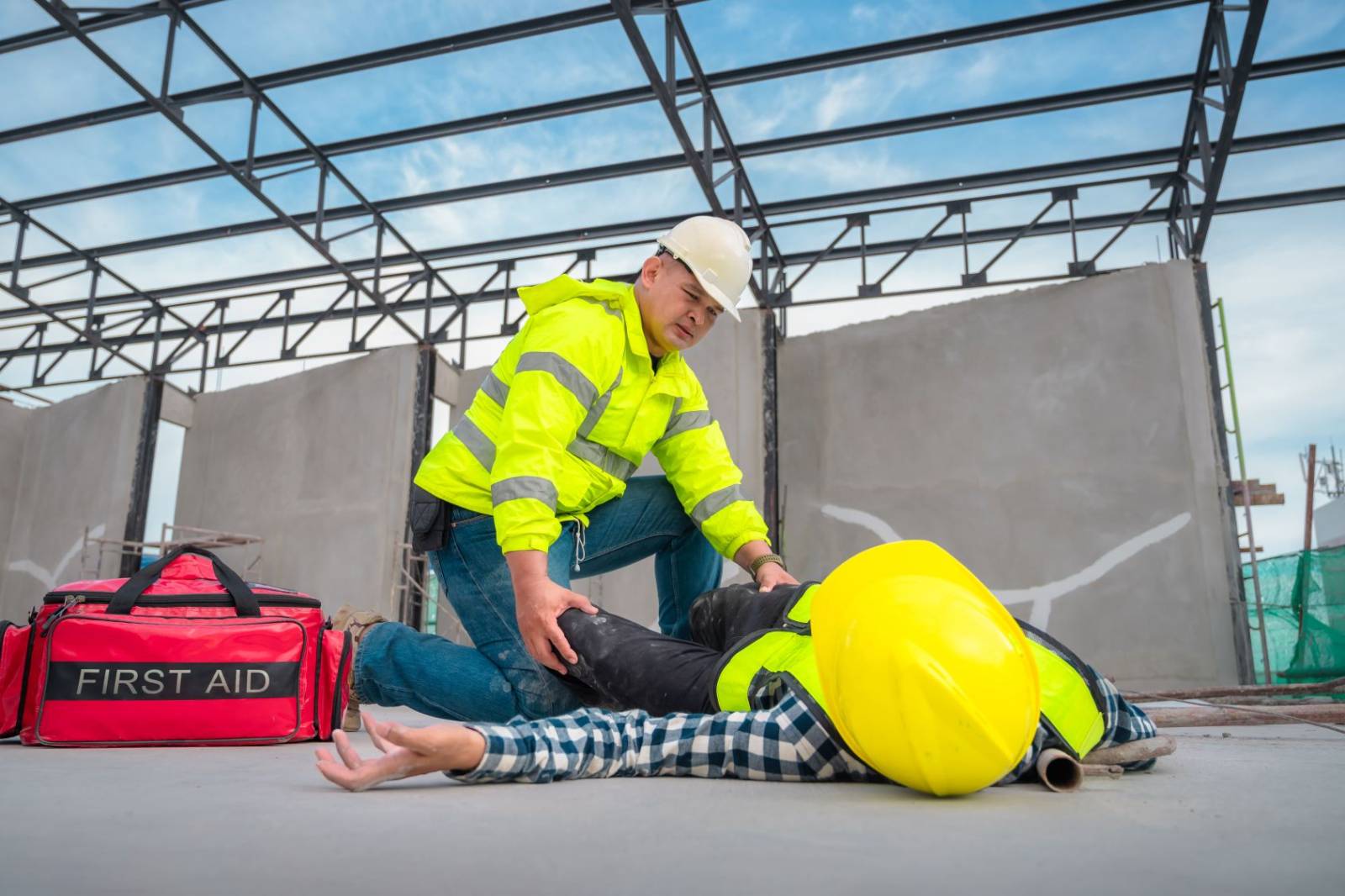
You might be a supervisor working out what your crew needs before a client audit, or a new starter who’s just noticed “emergency response training” on an induction checklist. In both cases, the auditor or employer wants to see you’ve been trained to react properly when there’s an incident on site. That includes basics like giving first aid and CPR plus training on how to fight a small fire and guide people out during evacuation.
At Civil Safety (RTO 32381), we deliver first aid, CPR, firefighting and fire warden training for mine and construction sites in Queensland and WA. We’ll explain what each course involves and which ones you’ll need.
What counts as emergency response training?
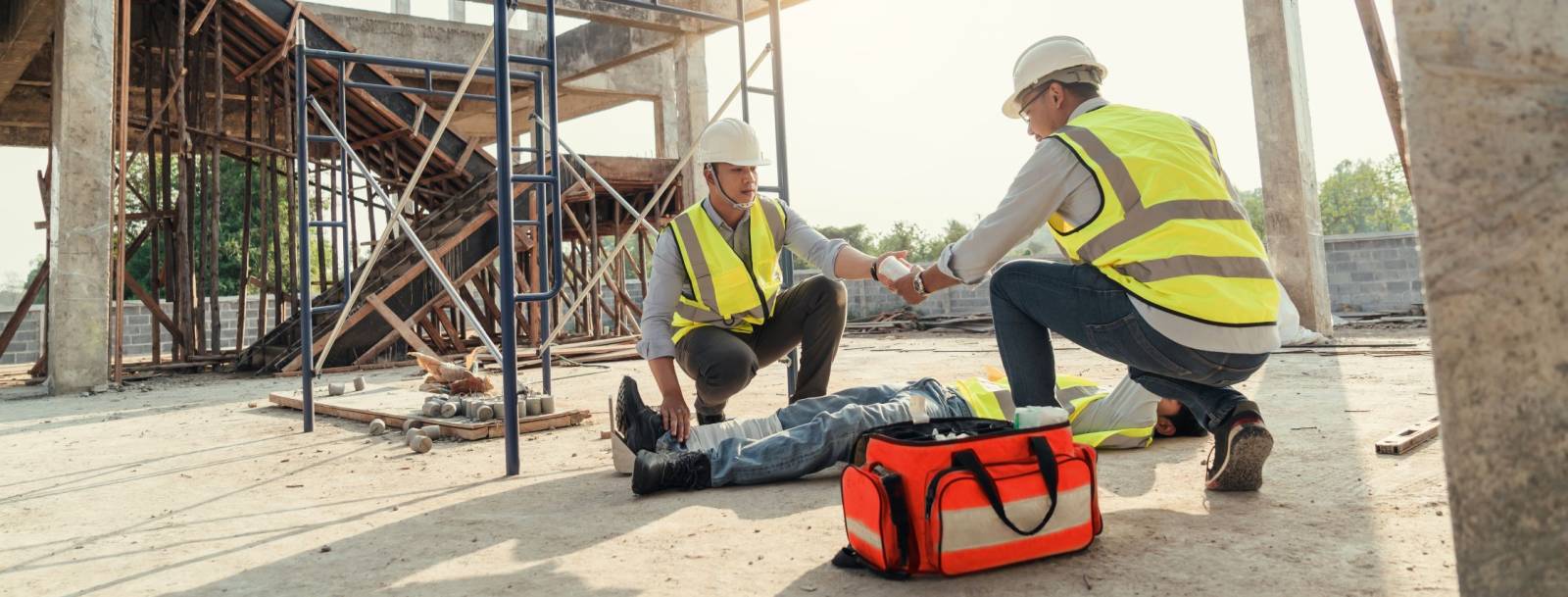
Workers complete emergency response training to learn how to act when an incident happens on site. Employers must have an emergency plan for every workplace, so you’ll use these skills to carry out part of that plan. WA mine operators must also train every worker in their responsibilities under the mine’s emergency plan, according to regulation 670A of the Work Health and Safety (Mines) Regulations 2022.
Mine operators also rely on specialist emergency response teams (ERTs) at mines to handle rescues and major incidents. ERT members need a Certificate III in Emergency Response and Rescue (RII30726) and handle rescues and major incidents on site. Frontline workers and supervisors still need their own first aid, CPR, firefighting and fire warden training, since they’re usually the first people on the scene before an ERT arrives.
Emergency response vs first aid training
First aid training is one part of emergency response training. It teaches you to care for an injured or sick person until medical help arrives, whereas emergency response teaches you to plan how the entire site reacts to an incident.
Employers in Queensland and WA must give workers access to first aid equipment and trained first aiders. The same safety laws in Queensland and WA also require employers to prepare an emergency plan, which covers much more than first aid:
Responding effectively to an emergency
Evacuating the workplace
Notifying emergency services
Giving medical treatment and assistance to injured people
Communicating between the emergency coordinator and everyone at the workplace
Testing the emergency procedures
Training workers to carry out the procedures
First aid and CPR for mine and construction sites

We deliver two first aid and CPR courses for site workers:
Course | Units | Best for | Delivery |
RIIERR205 and HLTAID009 | Coal and metalliferous mine workers | Group training at your site or our centres, with a minimum of 8 participants | |
HLTAID011 and HLTAID009 | Construction and general worksites | Online theory and a one-day practical, from $200 to $350 depending on location |
You should refresh your CPR skills every year and renew your first aid certificate every three years, according to the first aid codes of practice in Queensland and WA. Queensland coal mine operators must also provide first aid training and refreshers to their workers under the Coal Mining Safety and Health Regulation 2017.
Fire response training
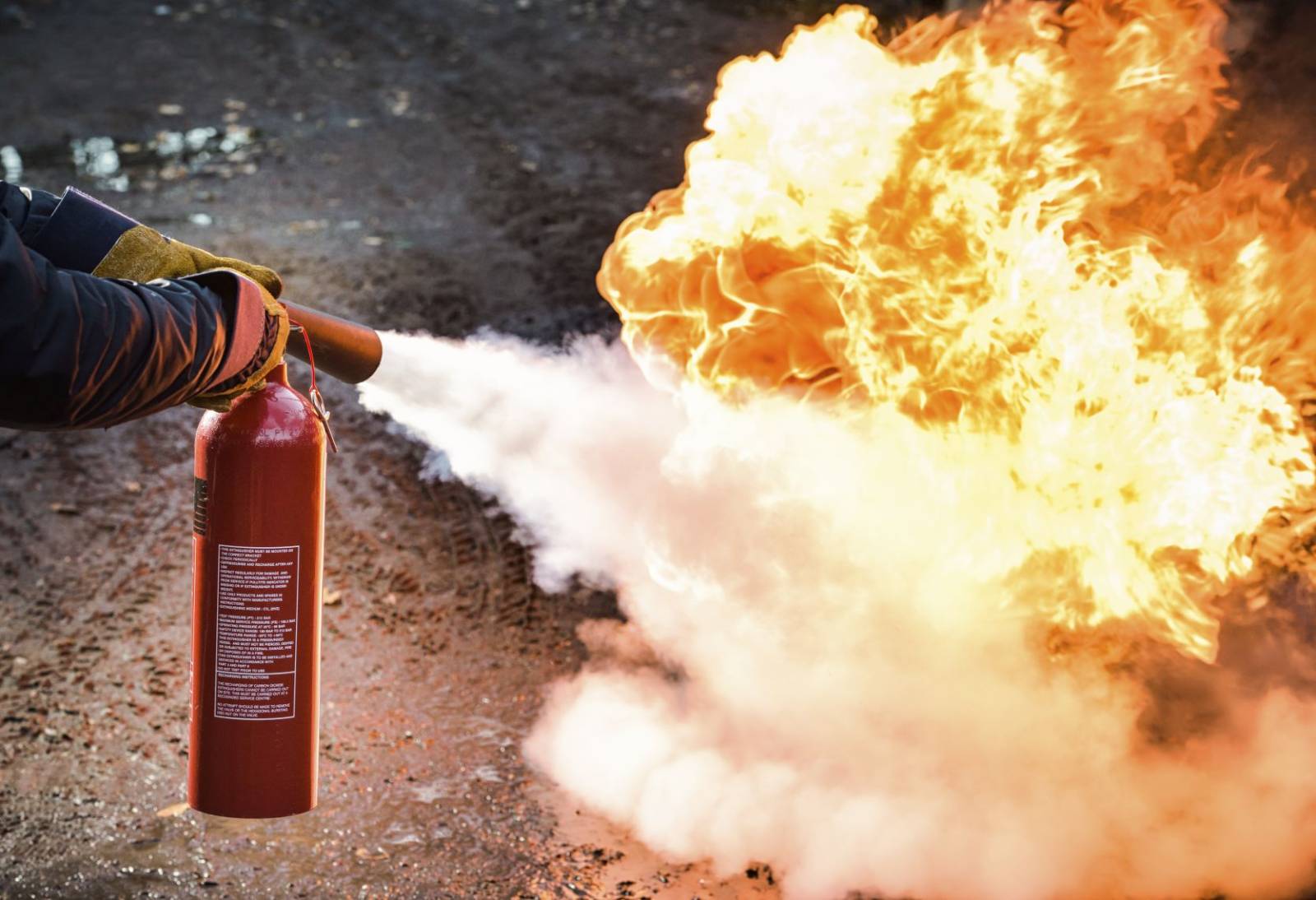
Employers generally appoint fire wardens to guide workers during an evacuation, with a chief warden who leads the team and communicates with emergency services. Queensland building occupiers must also give every worker evacuation instructions at least every two years under the Building Fire Safety Regulation 2008.
We deliver Fire Warden and Chief Fire Warden training through two bundles in addition to the standalone courses for workers who’ll respond to a fire in its early stages:
Course | Units | What you’ll learn | Delivery | Funding |
Non-accredited (Certificate of Completion) | How to choose and safely use a portable extinguisher on a small fire | 1 hour, $475 per group of up to 15 | None | |
Demonstrate First Attack Firefighting Equipment (CPPFES2005) | CPPFES2005 | How to use first attack equipment such as extinguishers and fire blankets on a fire in its early stages | Blended, 4 hours, in Perth, Brisbane, Bunbury and Newman | Construction Training Fund (CTF) for eligible WA construction workers |
PUAFER005 and PUAFER008 | Fire warden duties during an evacuation and how to confine small emergencies | 1 day, Brisbane | None | |
PUAFER005 and PUAFER006 | Fire warden duties and how to lead the warden team as chief warden | 1 day, Brisbane | CTF for eligible WA construction workers |
What your Standard 11 already covers
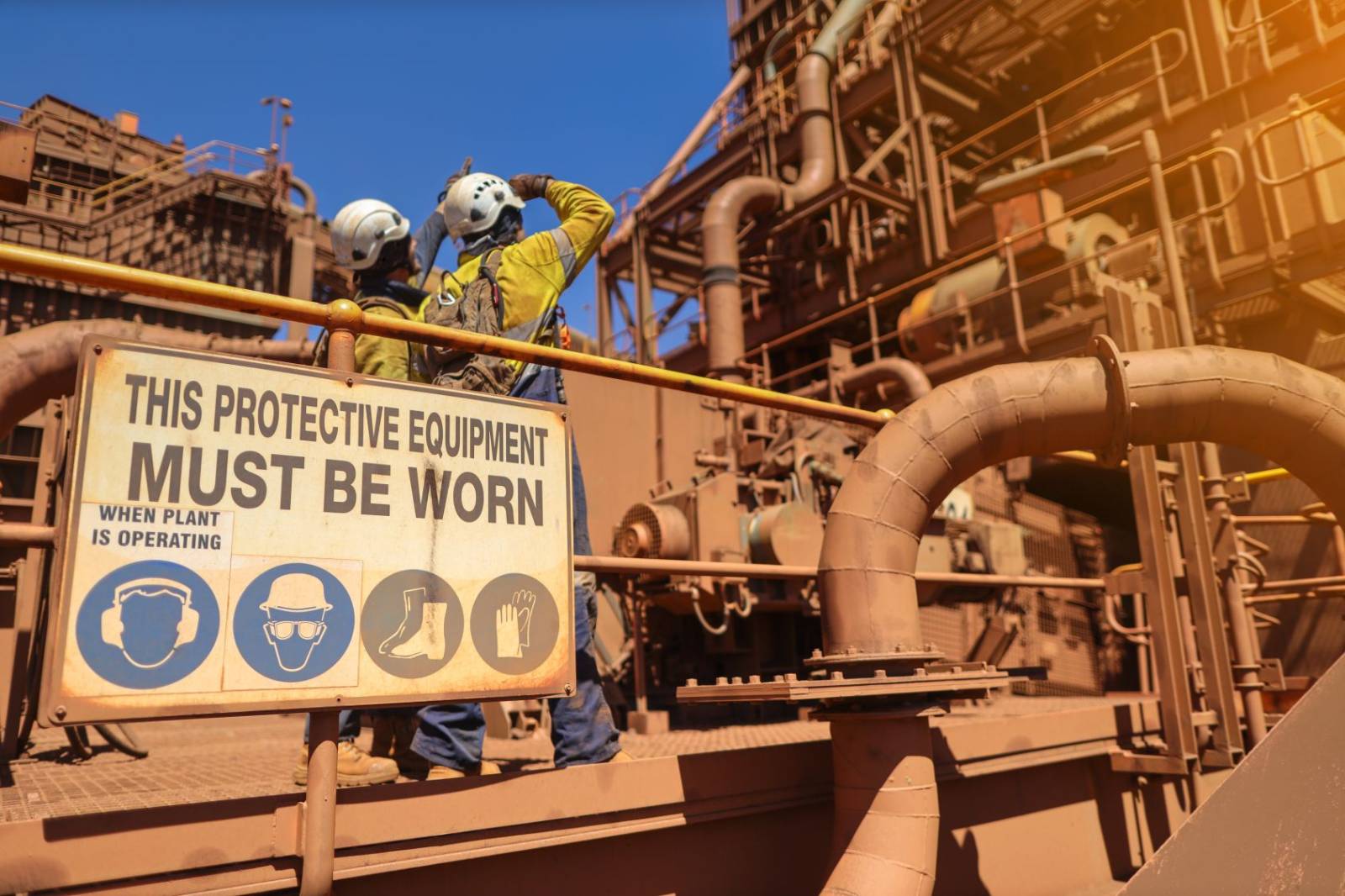
You’ll already have two emergency response units if you’ve completed our Standard 11 course, which is the general safety induction for Queensland coal mines. Its six units include Apply initial response first aid (RIIERR205) and Respond to local emergencies and incidents (RIIERR302), so you’ll already be able to give initial first aid and response to a site emergency in line with state procedures.
You’ll still need to refresh your CPR every year and your first aid every three years to stay current. You won’t complete any fire training as part of S11, so you’ll need one of our fire safety courses if your site gives you a warden or firefighting role.
Training a whole crew onsite
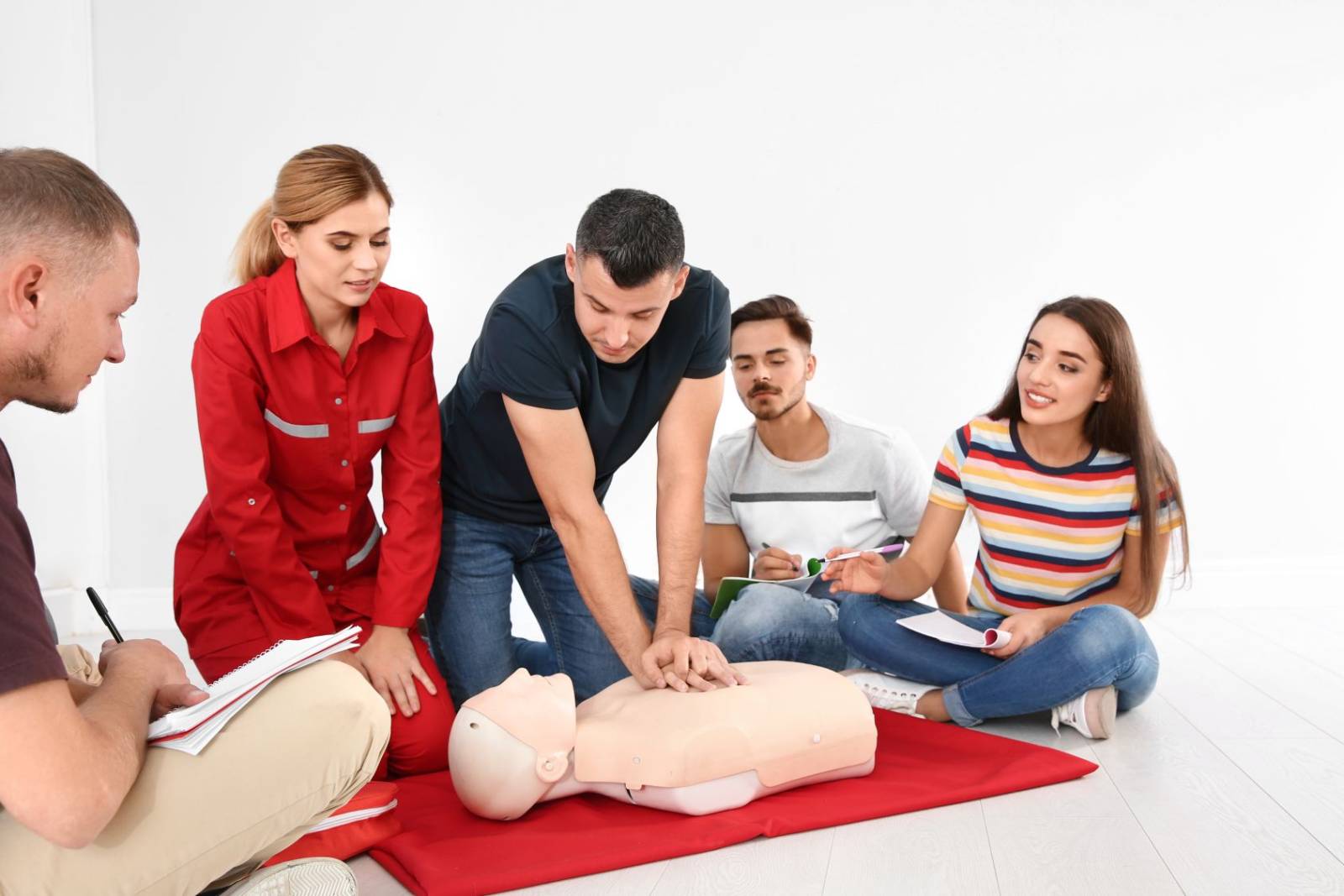
Site supervisors and health, safety and environment (HSE) managers can book our emergency response courses as group training for their crew:
Location: Our trainers can deliver the training at your site, or your crew can attend one of our training centres in Queensland and WA.
Group size: You’ll need at least eight participants for each group booking.
Consistency: Your whole crew will train together and learn the same emergency response procedures for your site.
Remote sites: Crews at remote mine sites can also book Provide First Aid in a Remote or Isolated Site (HLTAID013). Workers on this course learn how to care for a casualty while medical help takes longer to arrive.
Book emergency response training with Civil Safety
Workers who’ve practised CPR and used a fire extinguisher in training can act quickly and calmly when an incident happens on site. Book our Provide First Aid and Provide CPR course or our Demonstrate First Attack Firefighting Equipment (CPPFES2005) course today to lock in a date at a training centre near you. Supervisors organising training for a crew can contact our team to arrange group training at their site on a date that works for everyone.