
A high-risk work licence is a legal requirement for operating certain plant and equipment in Australia. Getting one, renewing it on time, and knowing what to do if it lapses are three different processes, and this guide covers all of them.
If your renewal is coming up, you’re in the right place. You can do the whole process online in just a few minutes as long as it’s still valid. The most common mistake is letting it expire for more than 12 months, at which point you’ll have to retrain to get a new licence.
This guide covers exactly what to do before your licence expires, what happens if you’ve already missed the deadline, and whether you need any retraining before you can get back to work. If your licence has already lapsed beyond 12 months and you need to retrain, we cover that too.
What is a high-risk work licence and how long is it valid?
A high-risk work licence is a mandatory credential for operating certain plant and equipment in Australia. In Queensland, licences are issued by Workplace Health and Safety Queensland (WHSQ) and cover many equipment classes like forklifts, cranes, elevated work platforms, dogging, rigging, and scaffolding. You cannot legally perform high-risk work without one.
Every high-risk work licence is valid for five years from the date of issue. Your specific expiry date is printed on your licence card. WHSQ generally sends a renewal notice before your licence expires, but relying on that notice is risky. If your contact details are out of date or the notice doesn’t reach you, your licence can lapse without warning. Keep track of your own expiry date and start the renewal process well before it arrives.
How to get a high-risk work licence for the first time
There’s a clear sequence when you get your high-risk work licence for the first time. These are the steps you need to take:
Enrol in an accredited course: Choose the licence class you need and complete the relevant course through a registered training organisation. Civil Safety (RTO 32381) runs courses for all major high-risk work licence classes across our Queensland and Western Australia training centres.
Pass the assessment: Every high-risk work licence course includes both a theoretical and practical assessment. You need to pass both before you can apply for your licence.
Apply for your licence: Once you’ve passed, you have 60 days to submit your licence application to the relevant state authority. In Queensland that’s the WHSQ, in Western Australia that’s WorkSafe WA. If you’d prefer not to handle the paperwork yourself, we can apply on your behalf for an additional fee.
Receive your licence: Once approved, your high-risk work licence is issued and valid for five years from that date.
How to renew your high-risk work licence in Queensland: step by step
Renewing your high-risk work licence in QLD is a simple administrative process that you can take care of quickly through WHSQ’s online portal. Here’s what to do:
Check your expiry date: Look at your licence card and confirm when your licence expires. Don’t wait for a renewal notice to prompt you.
Update your contact details: If you’ve moved or changed your phone number since your last renewal, update your details with WHSQ before you apply. Renewal notices go to the address on file.
Access High-Risk Work Licence Online Services: That portal is where you lodge your renewal application. You’ll need your licence number and personal details to log in.
Verify your identity and licence details: Confirm your information is accurate before moving forward. Making a mistake at this stage can delay processing.
Pay the renewal fee: You must pay the renewal fee online at the time of application.
Receive confirmation: Once your application is submitted, you’ll receive confirmation from WHSQ. If you lodge your high-risk licence renewal before your expiry date, your licence generally remains current while the application is being processed so you can keep working.
How to renew your high-risk work licence in Western Australia
Renewing your high-risk work licence in WA follows a similar process to Queensland but is handled through WorkSafe WA instead of WHSQ. Here’s what to do:
Check your expiration date: Your licence card shows when your licence expires. Don’t wait for a renewal notice to prompt you.
Update your contact information: If your address or phone number has changed since your last renewal, update your details with WorkSafe WA before applying. Renewal notices go to the address on file.
Lodge your renewal application: Renewal is processed through the WorkSafe WA online portal. You’ll need your licence number and verified MyGovID to access the portal.
Pay the renewal fee: The renewal fee is due at the time of application and must be paid online.
Receive confirmation: Once submitted, WorkSafe WA will process your application. If you lodge before your expiry date, your licence will stay current while the application is being processed.
As with Queensland, if your licence has lapsed beyond 12 months in WA, you may no longer renew through the portal. You’ll need to retrain and be reassessed from scratch. We run all major high-risk work licence courses at our Perth and Kalgoorlie training centres.
What happens if your high-risk work licence expires?
You won’t be able to continue working if you let your high-risk licence renewal slide past the deadline. How long you’ve let it lapse determines what happens next:
Expired but less than 12 months: You may still be able to renew through WHSQ without retraining. You cannot perform licensed work during this period, so any gap in your licence means time off the tools. Apply through the same online portal as a standard renewal and contact WHSQ directly if you have questions about your specific situation.
Expired more than 12 months: This is where the consequences become more serious. A high-risk work licence renewal in QLD is no longer possible once 12 months have passed. You’ll need to retrain and be reassessed before you can make a new application, which means you must complete the full course again from scratch.
If your licence has lapsed beyond the 12-month window, Civil Safety offers the relevant high-risk work licence courses across our Queensland training centres in Brisbane, Gold Coast, Bundaberg, Cairns, Gladstone, Mackay, Moranbah, Rockhampton, and Townsville. The sooner you start the retraining process, the sooner you’re legally allowed to resume work.
Do you need refresher training to renew?
You don’t need to complete a refresher course or sit a new assessment to renew your high-risk work licence through the WHSQ portal. Pay the fee, submit the application, done.
The renewal itself doesn’t require any retraining, but some employers and labour hire agencies do ask for a Verification of Competency (VOC) before putting you back on the tools, especially if you’ve been off the equipment for a while. That requirement comes from the employer, not from WHSQ, and it’s separate from the formal renewal process.
If your employer is asking for a VOC on top of your renewed licence, Civil Safety delivers VOC assessments for forklift, dogging, rigging, scaffolding, and crane licences across our Queensland training centres.
High-risk work licence classes that require renewal
All high-risk work licences expire after five years and must be renewed. If your licence is approaching expiry or has already lapsed, here are the classes Civil Safety can help you with:
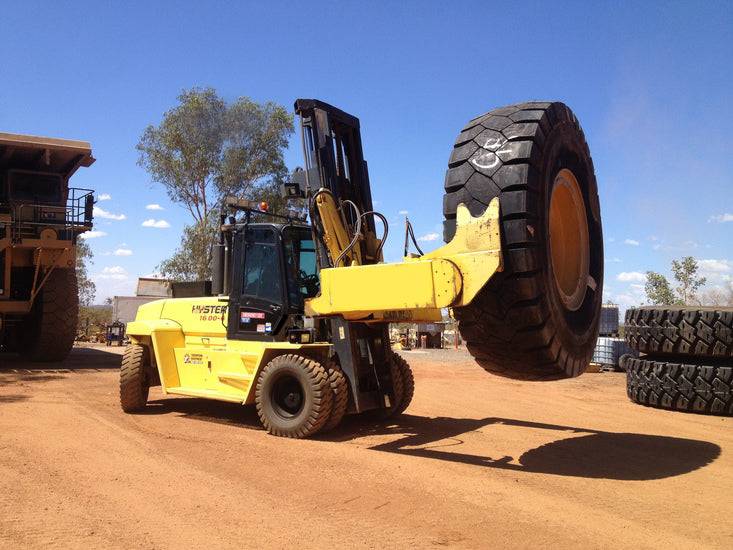
Forklift (LF): Required for operating forklifts in warehouses, construction sites, mine sites, and industrial facilities. Covers safe operation, pre-start checks, and load management procedures.
Dogging (DG): Required for workers who select and attach lifting gear to loads and direct crane operators during lifts. This is the mandatory first step before any rigging licence.
Basic Rigging (RB) and Intermediate Rigging (RI): Required for workers who erect structural steel, install safety nets, manage complex load shifting, and rig suspended scaffolds on construction and mine sites.
Scaffolding Basic (SB) and Scaffolding Intermediate (SI): Required for workers who erect, alter, and dismantle scaffolding systems on construction and industrial sites.
Boom-type EWP over 11m (WP): Required for operating boom-type elevated work platforms above 11 metres, including cherry pickers and truck-mounted platforms used in construction and maintenance.
Non-Slewing Mobile Crane (CN), Slewing Mobile Crane C1, C2, C6, CO, and Vehicle Loading Crane (CV): Required for operating mobile and vehicle-loading cranes on construction, mining, infrastructure, and industrial projects. Classes vary by crane type and lifting capacity.
Standard Boiler, Advanced Boiler, and Steam Turbine: Required for workers who operate boilers and steam turbines in industrial, mining, and energy environments. The Unattended Boiler Training course is also available for non-accredited boiler operation.
Renew your high-risk work licence with Civil Safety
If your high-risk work licence has lapsed and you need to retrain, we have courses at our Queensland training centres in Brisbane, Gold Coast, Bundaberg, Cairns, Gladstone, Mackay, Moranbah, Rockhampton, and Townsville. Contact Civil Safety (RTO 32381) today to book your course.
FAQs
Every high-risk work licence in QLD is valid for five years from the date of issue. You need to renew before that date to avoid any gap in your ability to legally perform licensed work.
Yes, as long as you lodged your renewal application before your licence expired. If you submitted before the expiry date, your licence generally remains current while WHSQ processes the application.
You can check your high-risk work licence status through the WHSQ online portal using your licence number and personal details. Employers can also verify a worker’s licence status through the same portal before granting site access.